
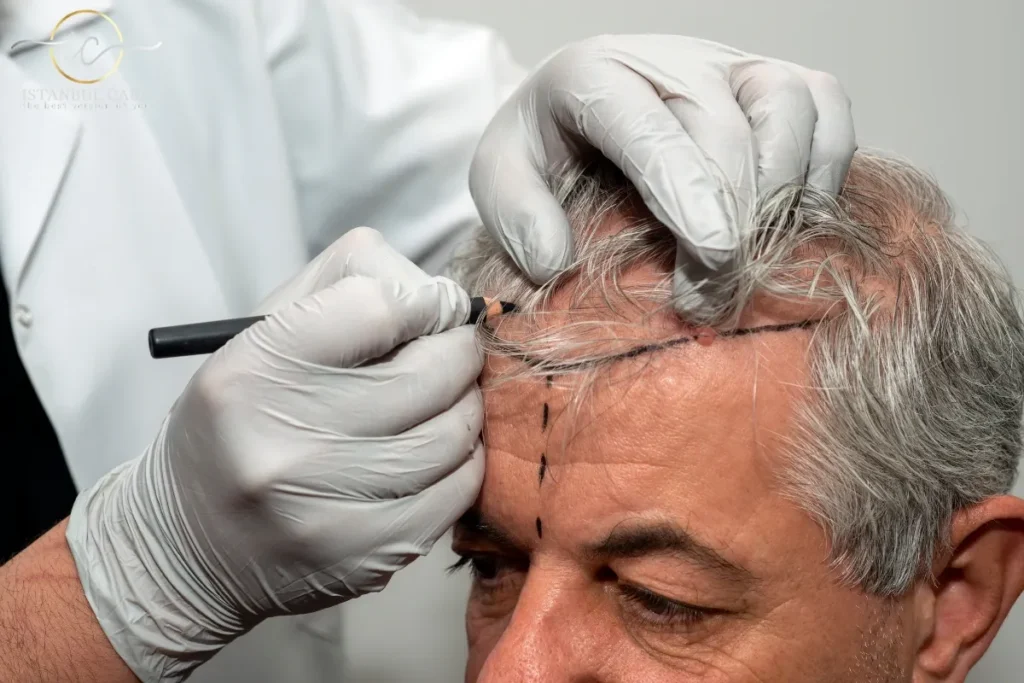
If you’re thinking about hair restoration, knowing how long the results last is key. Hair transplants aim to give a permanent solution to hair loss. They promise a lifetime of fuller, more natural-looking hair, if done by skilled surgeons.
With a successful hair transplant, you can enjoy full hair for life, as it follows your natural aging. The process moves genetically resistant hair follicles from the back or sides to thinning or bald spots.
Belangrijkste opmerkingen
Hair transplants provide a long-term solution to hair loss.
Transplanted follicles are genetically resistant to balding.
Proper care and maintenance are essential for optimal results.
Experienced surgeons can ensure a natural-looking hairline and density.
Hair transplants can boost confidence and self-esteem.
Inzicht in haartransplantatie duurzaamheid
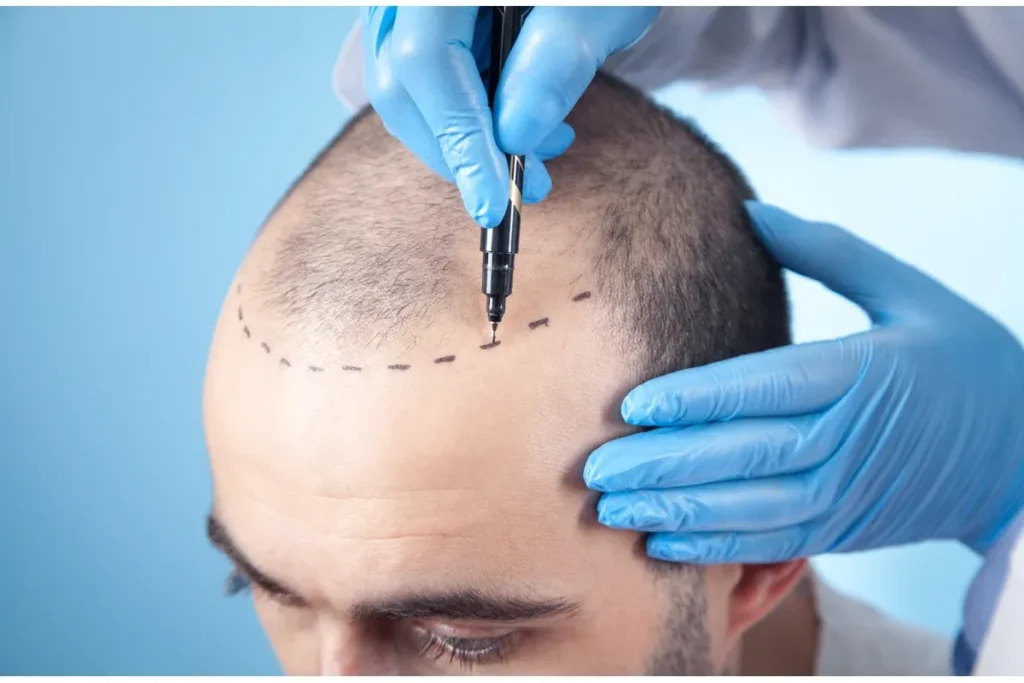
It’s important to know how long hair transplants last. They are a common choice for those dealing with hair loss. Their lasting nature is a big reason why people choose them.
Hair transplants work by moving hair follicles from areas that don’t thin to spots that do. This process is based on understanding how these follicles work.
The Science Behind Transplanted Hair Follicles
Transplanted hair follicles keep growing because they are resistant to balding. Studies show that the hair taken from resistant areas stays resistant after being transplanted.
This resistance is key to why hair transplants last. By moving these resistant follicles, people can get a natural fix for hair loss that lasts.
Genetische weerstand tegen haaruitval
The genes of transplanted hair follicles help them fight hair loss. Research confirms that the genes of the donor hair stay the same after transplant. This means the transplanted hair keeps growing naturally.
The table shows that transplanted hair keeps its resistance to hair loss. This makes it a solid choice for those facing baldness.
In summary, hair transplants last because of the science behind them. Understanding this can help people make better choices for their hair.
How Long Will Hair Transplant Last: Timeline and Results
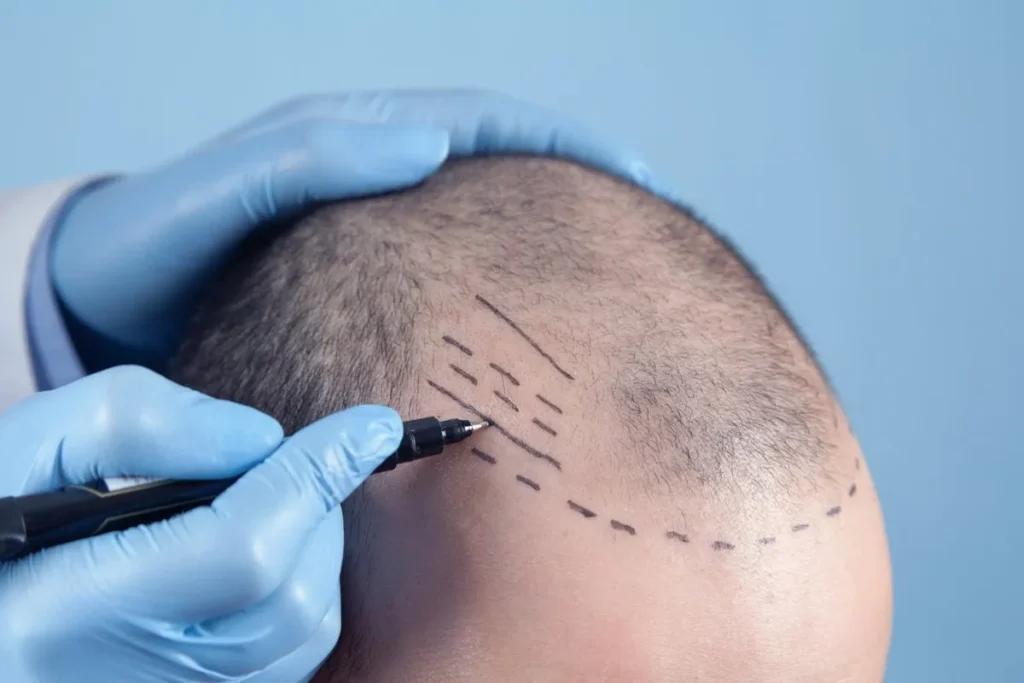
Knowing how long a hair transplant takes is key to setting the right expectations. The process has several stages, each with its own timeline and goals.
Initial Growth Phase (0-6 Months)
The first growth phase starts right after the transplant and lasts about six months. During this time, the new hair may fall out, which is normal. It’s important to wait patiently as the roots of the new hair are getting established.
Visible Results Phase (6-12 Months)
Between six to twelve months after the transplant, you’ll start to see the results. The new hair will grow and become more visible. The hair density and coverage will improve a lot during this time. Most people see visible results within 6 to 12 months, which is a key part of the hair restoration journey.
Full Results Phase (12-18 Months)
The final results phase lasts from 12 to 18 months. By then, the new hair has fully grown in, and the results are clear. The longevity of the hair transplant is evident, with most enjoying a fuller head of hair for years with proper care.
The time it takes to see hair transplant results can vary. Things like the transplant method, donor hair quality, and aftercare can affect the outcome. Understanding these phases helps prepare for the journey, leading to the best hair restoration results.
Factors Affecting Hair Transplant Longevity
Many things can affect how long a hair transplant lasts. The skill of the surgeon and how well you care for your hair after the transplant are key. A good hair transplant looks natural and lasts a long time because of these factors working together.
Chirurgische expertise en techniek
The surgeon’s skill is very important. A skilled surgeon can make your hair transplant look and last better. They use special techniques like FUE (Follicular Unit Extraction) and FUT (Follicular Unit Transplantation) to get the right look.
Here’s a table showing how a surgeon’s experience can affect the results:
Donor Hair Quality and Selection
The quality and choice of donor hair are very important. The hair should come from areas that don’t bald easily, like the back and sides of your head. It’s also important to match the donor hair’s texture, color, and density to the area where it’s being transplanted.
Post-Operative Care and Maintenance
After the transplant, it’s important to take good care of your hair. This means washing it gently, avoiding hard work, and using medicines as told by your surgeon. This helps your hair grow well and avoids problems.
Here are some tips for aftercare:
Gently wash your scalp within 24-48 hours after the procedure.
Avoid heavy lifting and bending.
Use medicines as directed by your surgeon.
Go to all follow-up appointments.
Lifestyle Factors and Health Considerations
How you live and your health can also affect your hair transplant. Smoking, not eating well, and too much stress can harm your hair growth. Eating right, drinking water, and managing stress are important for the best results.
By paying attention to these factors, you can make your hair transplant last longer. This way, you can have a fuller, more natural-looking hairline for many years.
Conclusie
Hair transplants offer a lasting fix for hair loss. Follicles from the transplant can last a lifetime with skilled surgeons. Recent data shows that successful hair transplants can last a lifetime, aging naturally.
To keep your hair transplant looking good forever, choose a skilled surgeon and follow care tips. This way, you can enjoy a natural-looking hairline and fuller hair for years. Knowing how long a hair transplant lasts is key to making smart choices about your hair.
With proper care, hair transplants can be a long-term solution for hair loss. Yes, hair transplants can last a lifetime. By picking a qualified surgeon and caring for your hair, you can have a beautiful, natural-looking hairline for many years.
FAQ
Hoe lang duurt een haartransplantatie?
Hair transplants offer a permanent fix for hair loss. They give you fuller, more natural-looking hair for life. When done right, the transplanted hair can last forever.
Do hair transplants last forever?
Yes, they can when done by skilled surgeons. The transplanted hair keeps its natural resistance to falling out.
How long do hair plugs last?
Hair plugs, or transplants, can last a lifetime. The hair follicles keep growing hair, even in their new spot.
What factors affect the longevity of a hair transplant?
Several things can affect how long a hair transplant lasts. These include the surgeon’s skill, the quality of the donor hair, and how well you care for it after. Your overall health and lifestyle also play a role.
Hoe lang duurt het voordat je het volledige resultaat van een haartransplantatie ziet?
Seeing the full results can take up to 18 months. The first six months are the growth phase. Then, you’ll start to see the results between 6-12 months. The final results come between 12-18 months.
How can I maximize the longevity of my hair transplant?
To make your transplant last longer, choose experienced surgeons. Follow their care instructions closely. Also, keep a healthy lifestyle. Avoid smoking and make sure you’re getting enough nutrients.
Does a hair transplant require ongoing maintenance?
Yes, caring for your transplant after is key. It helps the transplanted hair to survive and thrive. This means following a proper care routine and staying healthy.
How long does FUE hair transplant last?
FUE hair transplants can last a lifetime with skilled surgeons. The transplanted follicles keep their natural resistance to hair loss.
Can lifestyle factors affect the longevity of a hair transplant?
Yes, your lifestyle can impact your transplant’s results. Smoking and not eating well can harm your transplant. Staying healthy is important for long-lasting results.
Referenties
National Center for Biotechnology Information. Evidence-Based Medical Insight. Retrieved from https://pubmed.ncbi.nlm.nih.gov/33911409/





