
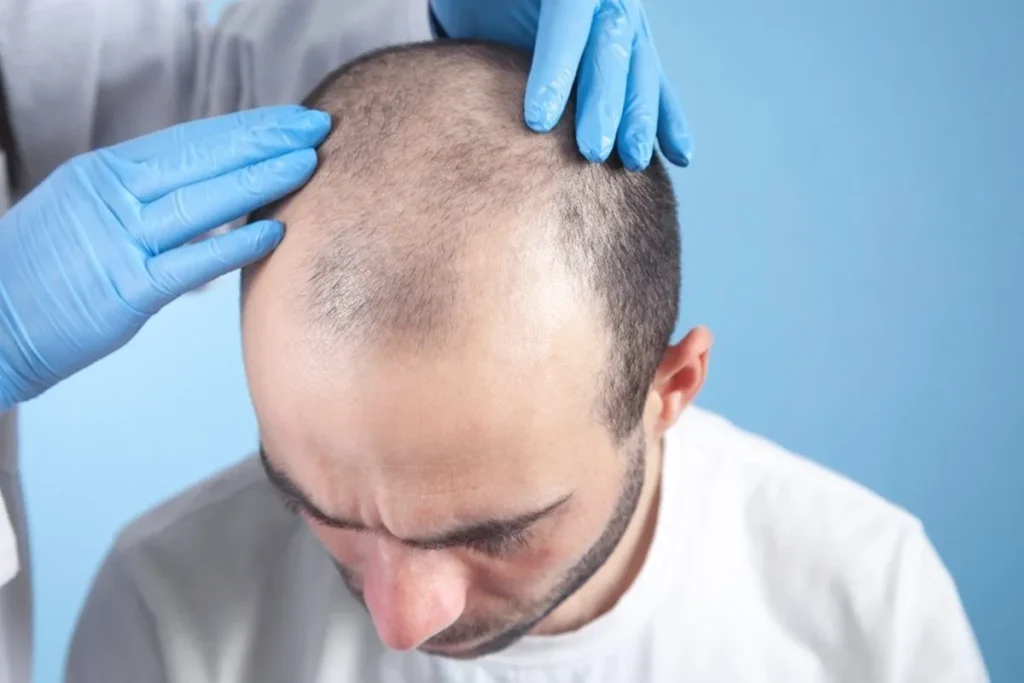
Understanding hair transplantation is key for those thinking about it. At the core of modern hair restoration is the hair graft. These are small pieces of scalp with one or more hair follicles.
Knowing how many hairs are in a graft is important for a successful transplant. Studies show a single graft usually has 2-3 hairs. This fact helps set the right expectations for the transplant’s results.
At GoldCity Center, we focus on a detailed, patient-focused evaluation. We make sure you get the right number of grafts for a natural look. Our advanced tests are made to fit your specific hair loss and goals.
Belangrijkste opmerkingen
Hair grafts contain between 1 and 4 hair follicles, with an average of 2-3 hairs per graft.
The number of hairs in a graft can vary, making personalized evaluation critical.
A successful hair transplant requires more than just counting grafts; it demands a tailored approach.
GoldCity Center uses advanced diagnostic protocols for precise graft calculation.
Understanding hair grafts is essential for realistic expectations about hair transplant outcomes.
Understanding Hair Grafts and Follicular Units
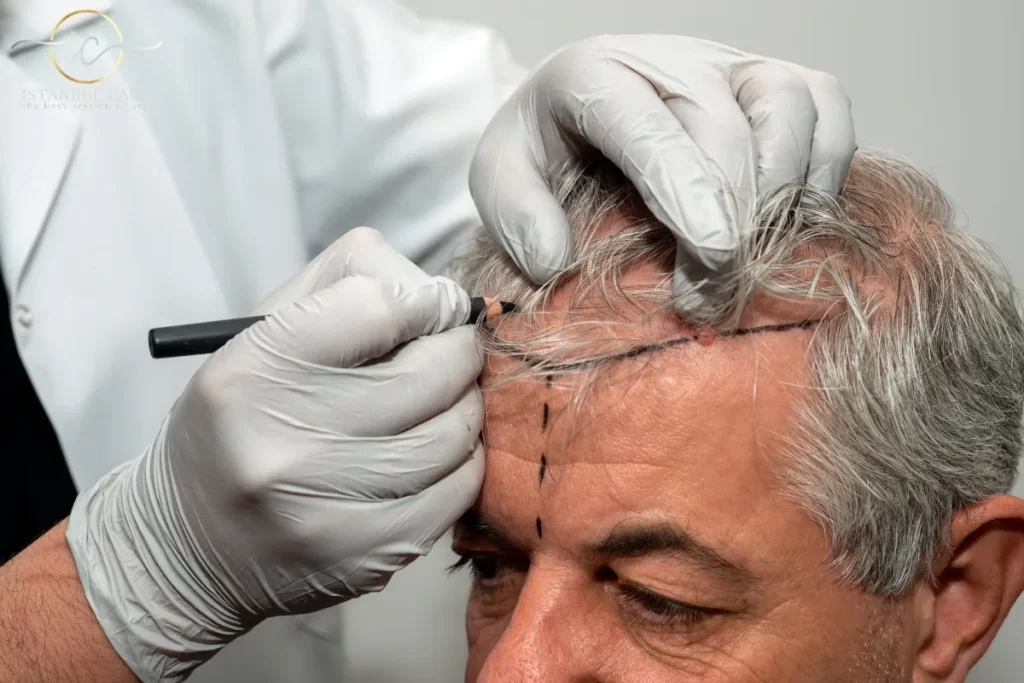
To understand hair transplantation, we must first learn about hair grafts and follicular units. This process is more than just moving hair. It’s about knowing the units that help hair grow.
What Is a Hair Graft?
A hair graft is a small piece of scalp with one or more hair follicles. These follicles grow hair. A graft can have 1 to 4 hairs. Knowing about hair grafts shows the skill needed in hair transplantation.
The Difference Between Grafts and Individual Hairs
It’s important to know the difference between grafts and individual hairs. The number of hairs in a graft matters, but the total number of hairs is more important. For example, a 1000-graft procedure can give you 1800-2200 hairs.
Knowing this helps people understand hair transplantation better. It shows how the density of hairs in grafts and scalp health affect the results.
How Many Hairs in a Graft: The Science Behind Follicular Units
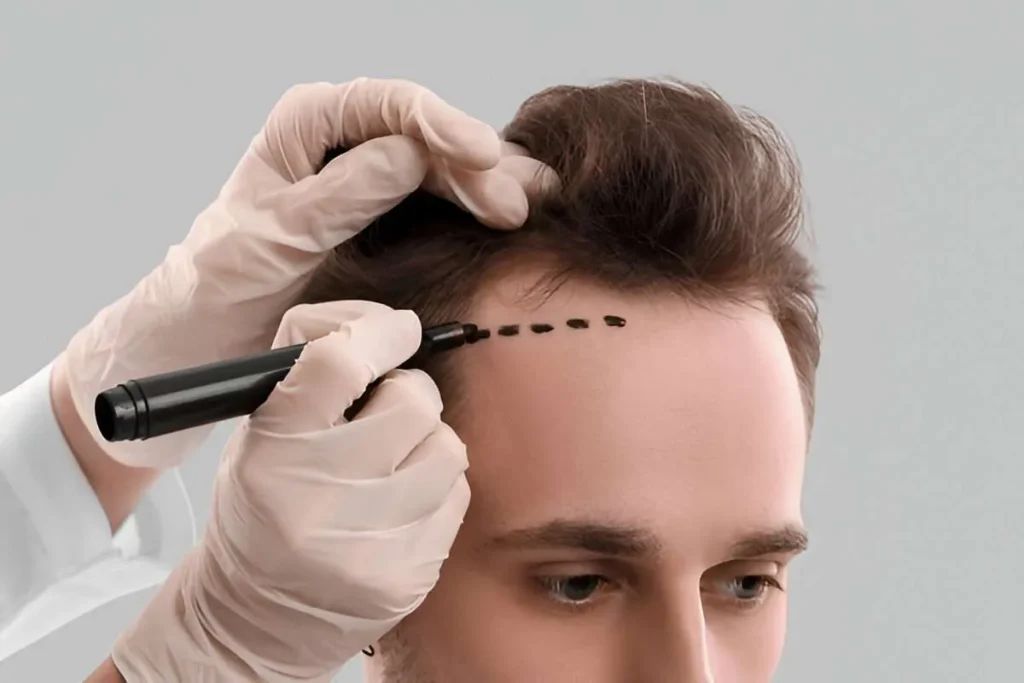
Understanding follicular units is key for those thinking about hair transplants. These units are groups of hair follicles that grow together. They are essential for a successful transplant.
Average Hair Count Per Graft (1-4 Follicles)
A graft can have 1 to 4 hair follicles, with about 2-3 hairs on average. The number of hairs in a graft varies naturally. Studies show it can be between 1.8 and 2.5 hairs per graft, based on the person and their hair quality.
The average hair count per graft is very important for a hair transplant’s success. More hairs per graft can make the hairline look fuller and more natural.
Calculating Total Hair Yield from Graft Numbers
To figure out the total hair yield from grafts, knowing the average hair count is key. For example, 1500 grafts with 2.3 hairs each would give about 3450 hairs.
Here’s how to calculate total hair yield:
Real Examples: 1000 vs 3000 Graft Procedures
Let’s look at the difference in hair yield between 1000 and 3000 graft procedures. A 1000-graft procedure with 2.0 hairs per graft would yield about 2000 hairs. On the other hand, a 3000-graft procedure with 2.5 hairs per graft would yield around 7500 hairs.
The big difference in hair yield between these examples shows how important it is to know the relationship between graft numbers and hair count.
Determining How Many Grafts You Need for Hair Transplant
Figuring out how many grafts you need for a hair transplant is very personal. It depends on how much hair you’ve lost, how dense your hair is, and what you want to achieve.
The Norwood Scale and Hair Loss Classification
The Norwood scale helps doctors understand male hair loss. It goes from stage 1, with little hair loss, to stage 7, with a lot. Knowing your stage is key to figuring out graft needs.
Early-Stage Hair Loss Requirements (800-1800 Grafts)
People with early hair loss, like Norwood 2-3, need fewer grafts. They usually need 800 to 1800 grafts. This amount helps create a natural hairline and covers bald spots.
Moderate Hair Loss Solutions (1800-3200 Grafts)
Those with moderate hair loss, like Norwood 3-4, need more grafts. They usually need 1800 to 3200 grafts. This helps cover more balding and gives a fuller look.
Advanced Hair Loss Treatment (4000-6000+ Grafts)
People with advanced hair loss, like Norwood 5-7, need a lot of grafts. They might need 4000 to 6000 grafts or more. This is because they have more hair loss and need full coverage.
Understanding the Norwood scale and your hair loss helps guess graft needs. But, talking to a hair transplant expert is best to find out exactly how many grafts you’ll need.
Conclusie
Getting a successful hair transplant means knowing how grafts and hair loss work together. Understanding hair grafts, follicular units, and what affects graft needs is key. This knowledge helps people achieve a natural, shiny hairline.
It’s important to handle and place grafts correctly for a top-notch result. Knowing that grafts can have 1 to 4 hairs each is vital. With a skilled doctor’s help, people can make smart choices for their hair growth.
A successful hair transplant does more than just grow hair. It boosts confidence too. By learning about grafts and hair loss, people can take control of their beauty. They can start a journey to a brighter, younger look.
FAQ
Wat is een haartransplantatie?
A hair graft is a small piece of scalp tissue. It contains one or more hair follicles. These grafts usually have 1 to 4 hairs.
Hoeveel haren zitten er in een ent?
On average, a graft has 2-3 hairs. But, this number can change based on the person and the graft’s quality.
How do I determine how many grafts I need for a hair transplant?
The number of grafts needed depends on several things. These include the stage of hair loss, hair density, and what you want to achieve. For early hair loss, you might need 800-1800 grafts. For more advanced loss, you could need 4000-6000 or more.
What is the Norwood scale, and how does it relate to hair transplant requirements?
The Norwood scale classifies male pattern hair loss. It ranges from stage 1 to stage 7. This scale helps figure out how many grafts you’ll need for a transplant.
How many hairs can I expect from a 1000-graft or 3000-graft hair transplant procedure?
A 1000-graft procedure can give you about 1800-2200 hairs. A 3000-graft transplant can give you around 6000-12000 hairs. This depends on the follicle composition.
What factors influence the number of grafts needed for a hair transplant?
Several factors affect the number of grafts needed. These include the extent of hair loss, hair density, and what you want to achieve.
How do I calculate the total hair yield from a given number of grafts?
To estimate total hair yield, know that a graft has 2-3 hairs on average. Multiply the number of grafts by this average to get an estimate.
Referenties
National Center for Biotechnology Information. Evidence-Based Medical Insight. Retrieved from https://pmc.ncbi.nlm.nih.gov/articles/PMC6066700/[1





