
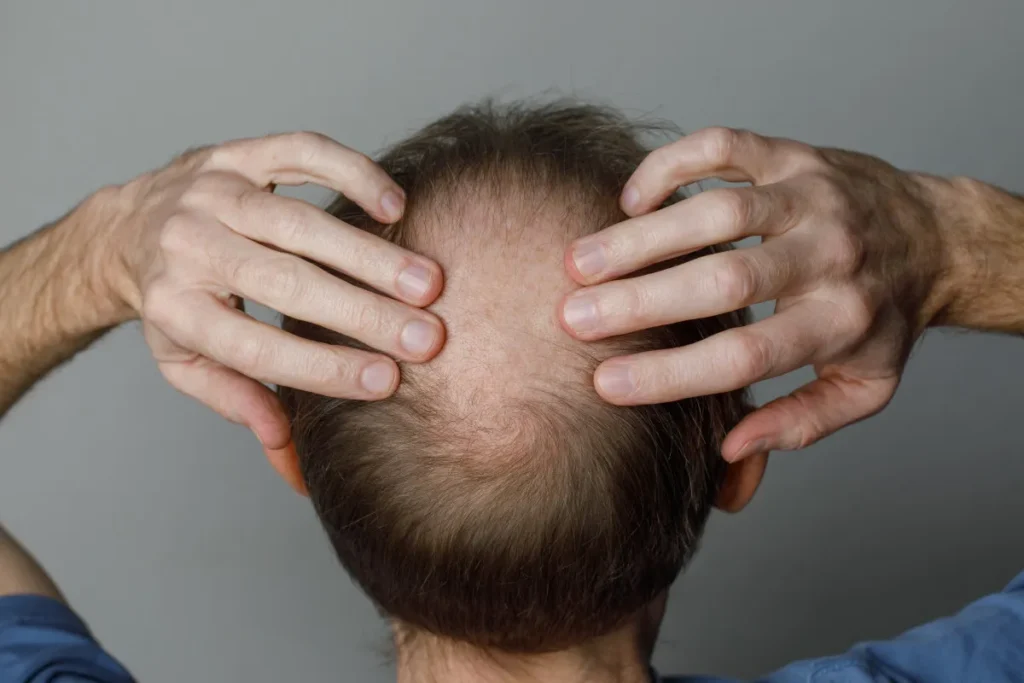
Discovering hair loss in your 20s can be upsetting, but you’re not alone. About one in five men start to notice hair loss by their 20s. Catching it early and acting fast can really help slow it down and keep your hair thick.
At GoldCity Center, we focus on you, the patient. We use the latest in skin care and care for you with kindness. We help young men understand their hair loss and find ways to stop it. We use the newest treatments and changes in lifestyle to fight hair thinning.
Belangrijkste opmerkingen
Ongeveer 20% van de mannen krijgt op 20-jarige leeftijd te maken met zichtbare haaruitval.
Early intervention can significantly slow hair loss progression.
A complete plan includes knowing the causes, spotting the signs, and finding good solutions.
Making lifestyle changes and using the latest treatments can stop hair loss.
Getting professional help is key to keeping your hair thick.
Understanding Early Hair Loss in Men
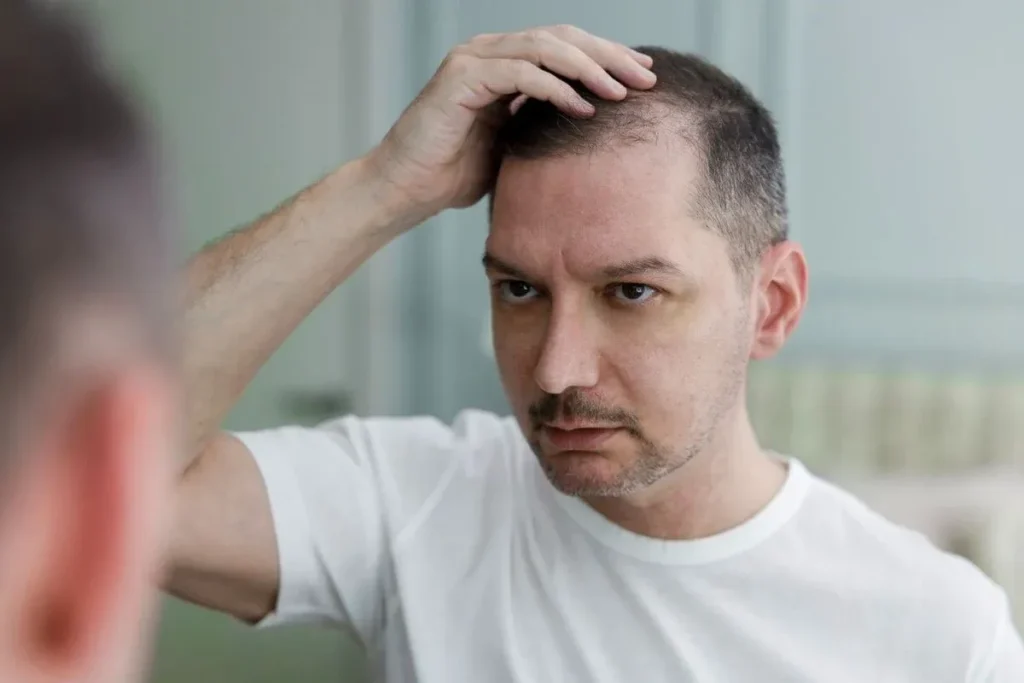
Hair loss in men can start early, even in the 20s. This is called male pattern baldness or androgenetic alopecia. It’s mainly due to genes and hormones.
The Statistics: How Common is Balding at 20?
About 25% of men see male pattern baldness by 21. This shows how common hair loss is in young men. Medical Expert, a renowned dermatologist, says, “Early balding is more common than people think. It’s important for men to know the signs and treatments.”
The first signs are a receding hairline and an M-shaped hairline. Then, hair thins at the crown. Knowing this helps young men get help early.
Recognizing the Signs of Early Balding
Early balding starts with small signs that can be missed. Key indicators include:
A receding hairline, mainly at the temples
Thinning hair at the crown
More hair falling out, after washing or combing
Spotting these signs early can help men fight hair loss.
Common Causes of Hair Loss in Young Men
Male pattern baldness is the main cause of hair loss in men. It’s due to genes and sensitivity to DHT.
Medical Expert, a top dermatologist, explains.
Other reasons for hair loss in young men include hormonal issues, stress, and lifestyle choices. Knowing these causes helps men find the right treatment and prevent more hair loss.
How to Stop Balding at 20: Effective Solutions
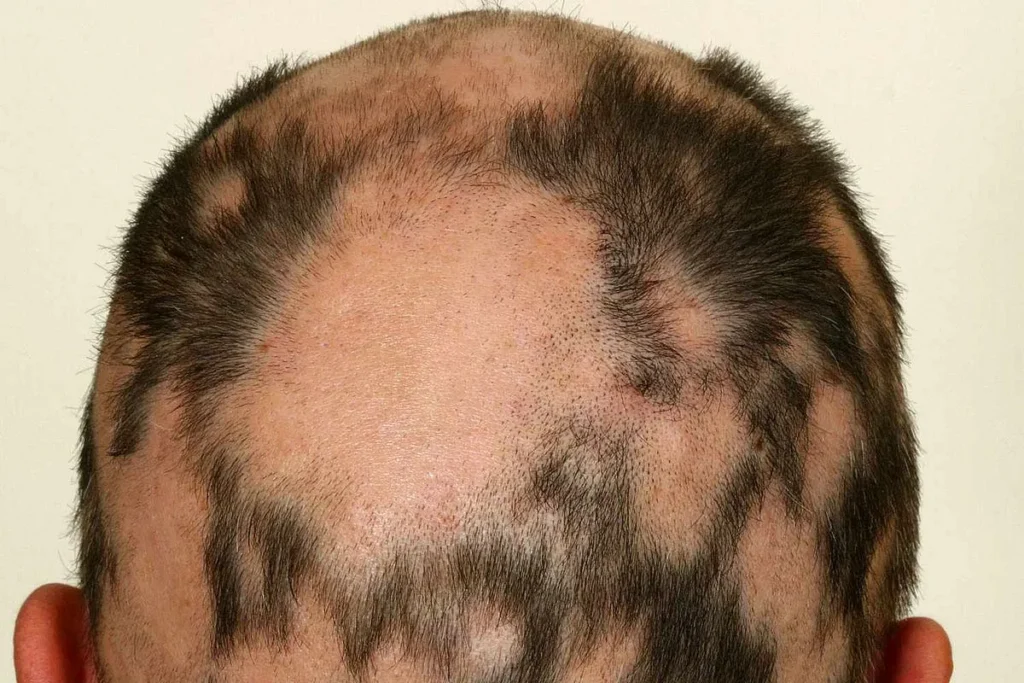
Dealing with hair loss in your 20s needs a mix of medical treatments, lifestyle changes, and natural remedies. Knowing what treatments are out there and making smart lifestyle choices can help young men fight hair loss. They might even grow their hair back.
FDA goedgekeurde medicijnen
For many men starting to lose hair at 20, the first step is FDA-approved drugs. Finasteride and Minoxidil are top choices.
Finasteride slows down hair loss and might even grow new hair. It needs a doctor’s prescription.
Minoxidil is rubbed on the scalp to boost hair growth and slow down balding. You can buy it over-the-counter or get a stronger version by prescription.
Both drugs have shown to work well. But, it’s key to talk to a doctor to find the right treatment for you.
Verander je levensstijl om verdere haaruitval te voorkomen
Changing your lifestyle can also help stop hair loss. Lowering stress, eating better, and avoiding harsh chemicals can make your hair healthier.
Natuurlijke geneesmiddelen en supplementen
Some men also try natural remedies and supplements. Biotin supplements, saw palmetto, and rosemary essential oil are popular options.
Wanneer een dermatoloog raadplegen
Seeing a dermatologist is a big step in fighting hair loss. They can create a treatment plan just for you. They can also guide you on the best treatments and track your progress.
By using medical treatments, making lifestyle changes, and getting professional advice, young men can actively fight balding at 20.
Conclusie
Dealing with hair loss in your early 20s needs a proactive plan. Knowing why you’re losing hair and how to stop it helps keep your hair healthy.
Acting fast is important to avoid losing a lot of hair. Using FDA-approved treatments and making lifestyle changes can help keep your hair. For men losing hair early, being proactive is key.
Hair loss at 20 can be upsetting, but you can fight it. Adding natural remedies and supplements to your routine, along with a healthy diet, supports your hair.
By managing your hair health early, you can lower the chance of going bald at 20. Learn how to take care of your hair well. And don’t be afraid to see a dermatologist for advice tailored to you.
FAQ
What are the common causes of hair loss in young men?
Young men often lose hair due to genetics, hormones, and lifestyle. Knowing these causes helps find the right treatment.
How common is balding at 20?
Balding at 20 is more common than you might think. Many young men start losing hair early due to male pattern baldness.
What are the signs of early balding?
Early balding signs include a receding hairline and thinning on the crown. Excessive hair shedding is another sign. Spotting these early helps in taking action.
Can hair loss at 20 be stopped?
Yes, hair loss at 20 can be treated. Medical treatments, lifestyle changes, and natural remedies can help. Seeing a dermatologist is key to finding the best treatment.
What are the effective solutions for stopping balding at 20?
Solutions include FDA-approved drugs like minoxidil and finasteride. Making lifestyle changes and using natural remedies like saw palmetto and biotin are also effective.
Why is my hair thinning at 20?
Hair thinning at 20 can be caused by genetics, hormones, and lifestyle. A dermatologist can help find the cause.
Hoe kan ik verdere haaruitval voorkomen?
Preventing hair loss requires a mix of medical treatment, lifestyle changes, and good hair care. Early action is important for a healthy head of hair.
When should I consult a dermatologist about my hair loss?
See a dermatologist if you notice a lot of hair loss or thinning. They can create a treatment plan just for you.
Referenties
National Center for Biotechnology Information. Evidence-Based Medical Insight. Retrieved from https://pubmed.ncbi.nlm.nih.gov/24566563/





