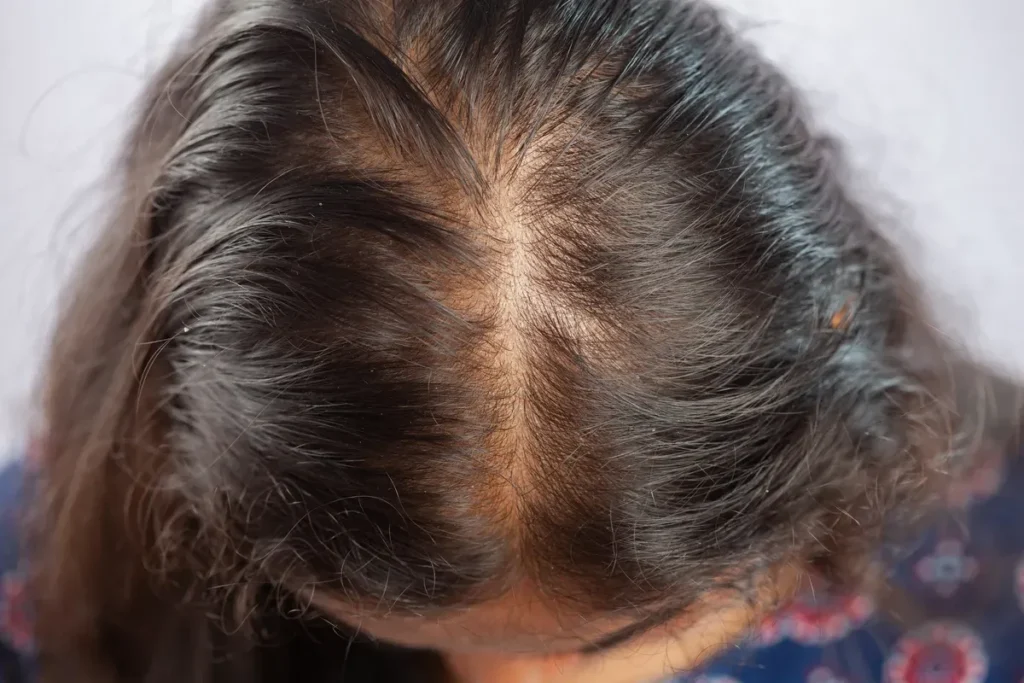
Androgenic alopecia affects about 40% of women, more after menopause. The American Hair Loss Association says losing hair can hurt a woman’s confidence and self-esteem.
Reclaiming your hair is more than looks; it’s about feeling good about yourself. There are female hair growth treatments made just for you.
Find out the best treatments for female hair loss from dermatology and medical experts. This article will show you 5 proven ways for women’s hair restoration. Start your journey to a fuller, healthier hair today.
Belangrijkste opmerkingen
Understanding the causes of androgenic alopecia in females
Exploring effective female hair growth treatments
Learning about the best treatments for female hair loss
Discovering women’s hair restoration options
Regaining confidence through radiant hair
Understanding Female Androgenic Alopecia
Female androgenic alopecia is a condition that affects many women. It causes hair to thin and can be distressing. Knowing its causes and symptoms helps women find the right treatments.
What is Androgenic Alopecia in Women?
Women with androgenic alopecia have a genetic predisposition and are sensitive to androgens. This leads to hair follicles shrinking and hair thinning. The hair loss is usually seen as thinning across the top of the scalp, but the hairline remains intact.
Dihydrotestosterone (DHT) plays a big role in this condition. It makes hair follicles smaller, resulting in thinner, shorter hairs and less hair density over time.
Prevalence Across Age Groups
Androgenic alopecia can happen at any age, but it’s more common in postmenopausal women. It affects up to 40% of women by age 50 and can increase with age.
Younger women can also experience it, often due to genetics and hormonal imbalances. It can greatly affect a woman’s self-esteem and confidence.
How Female Pattern Hair Loss Differs from Male Pattern Baldness
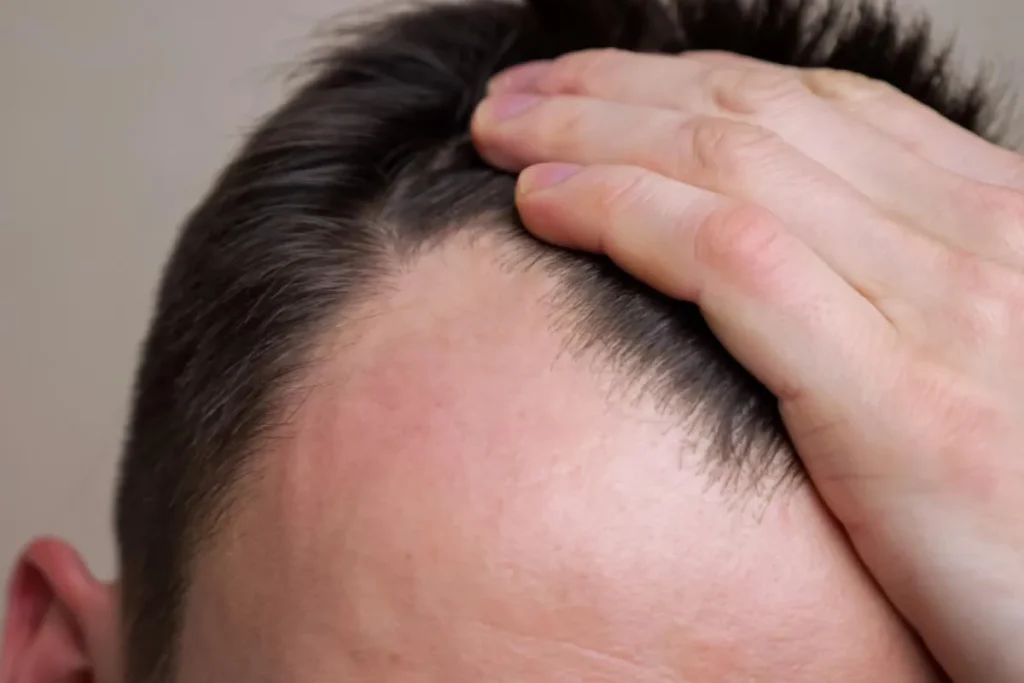
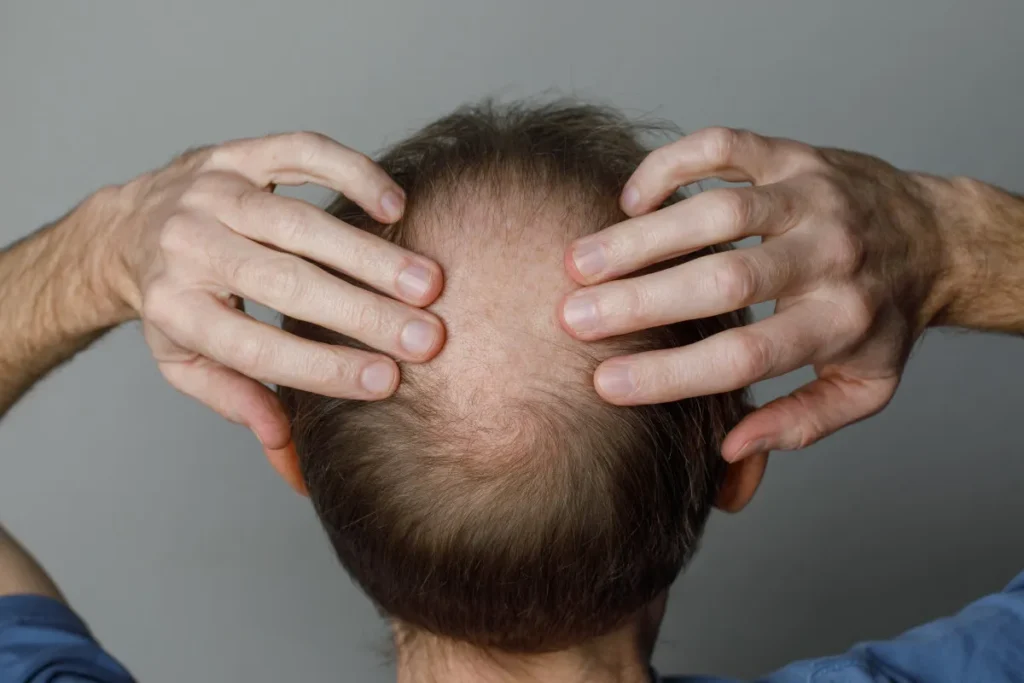
Androgenic alopecia affects men and women differently. Women usually keep their hairline and experience thinning all over. Men often see a receding hairline and bald spots on the crown.
The causes are similar, but the way hair loss shows up is not. Knowing these differences helps doctors find the right treatments for women.
Healthcare providers can offer specific treatments like topical minoxidil and anti-androgen therapies. These can help address female androgenic alopecia effectively.
Causes and Risk Factors of Female Pattern Hair Loss
Exploring female pattern hair loss reveals its causes. This condition, also known as female androgenetic alopecia, affects millions of women. It leads to thinning and sometimes significant hair loss.
Genetische aanleg en familiegeschiedenis
Genetics play a big role in female pattern hair loss. Women with a family history of hair loss are more likely to experience it. This is due to inherited genes that affect hair growth and sensitivity to androgens.
Knowing your family history helps understand your risk. If your mother or grandmother had hair loss, you might too. It’s important to be aware and consider early treatment.
Hormonal Influences and Androgen Sensitivity
Hormonal changes are key in female pattern hair loss. Androgens, like testosterone and DHT, can cause hair loss when imbalanced. Women with PCOS often lose hair due to high androgen levels.
Being sensitive to androgens also impacts hair growth. Some women’s hair follicles are more affected by androgens, leading to thinning and loss. Treatments that balance hormones and reduce androgen sensitivity can help.
Age and Menopause-Related Changes
Age is a major factor in female pattern hair loss. The risk increases with age, and even more during menopause. Hormonal changes, like lower estrogen levels, can trigger or worsen hair loss.
Knowing these risk factors helps in finding effective treatments. Options include topical minoxidil, oral minoxidil, spironolactone, and finasteride. These address the causes of hair loss, helping women regain confidence.
For those losing hair, there are many women hair loss treatments available. These range from medications to lifestyle changes. Talking to a healthcare professional can help find the right treatment for you.
How to Treat Androgenic Alopecia in Females: 5 Proven Solutions
Women with androgenic alopecia have many treatment options. These can help improve their hair’s health and look. It’s important to know about these treatments and how well they work.
Topical Minoxidil: Application and Efficacy
Topical minoxidil is a FDA-approved treatment for female hair loss. It comes as a 2% solution or 5% foam. Research shows it can help hair grow back and slow down loss.
To use it, apply the minoxidil to your scalp twice a day. It might take a few months to see results.
Oral Minoxidil for Younger Women
Oral minoxidil is another option, mainly for younger women. It’s not FDA-approved for hair loss but is used off-label.
It can be effective, but talk to a doctor about its benefits and risks.
Spironolactone as Anti-Androgen Therapy
Spironolactone is an anti-androgen drug. It can help treat female hair loss by reducing androgen effects on hair follicles.
It’s good for women with signs of too much androgen.
Spironolactone can help stop hair loss and encourage growth.
Finasteride for Postmenopausal Women
Finasteride is often used for male hair loss but is also studied for postmenopausal women.
Its effectiveness can vary, but it’s seen as a possible treatment for postmenopausal women with androgenic alopecia.
Learning about these 5 proven solutions helps women choose the best treatment. This can lead to better hair health and overall well-being.
Conclusie
Female hair growth and treating hair loss in women need a full plan. Knowing the causes and risks of female pattern hair loss is the first step. This helps women get a fuller, healthier head of hair.
A mix of medical treatments and advanced procedures works best. Using topical minoxidil and spironolactone, along with other methods, can help. Starting early is key to keep and grow hair, so finding the best treatment is important.
Women can take charge of their hair loss and start a journey of self-love. The right treatment can bring a radiant glow and timeless beauty. Celebrating individuality and unique beauty is possible. The search for a cure for women’s hair loss continues, but the right approach can help find a solution.
FAQ
What is the best treatment for female hair loss due to androgenic alopecia?
For female hair loss due to androgenic alopecia, a mix of treatments works best. Topical minoxidil, spironolactone, and finasteride are effective. They help grow hair and slow down loss.
Does minoxidil work for women with androgenic alopecia?
Yes, minoxidil is proven to help women with androgenic alopecia. It’s available as a topical and oral form. It stimulates hair growth and slows loss.
What are the most effective hair loss treatments for women?
Top treatments for women include topical minoxidil, spironolactone, and finasteride. Low-level laser therapy (LLLT) is also effective. These can be used alone or together to grow hair and reduce loss.
How can I regrow my hair with female pattern hair loss?
To regrow hair with female pattern hair loss, a full treatment plan is needed. This includes minoxidil and spironolactone. Lifestyle and diet changes also help promote hair growth.
Are there any natural remedies for female pattern baldness?
There’s no surefire natural remedy for female pattern baldness. But, some women find that diet changes, stress reduction, and supplements like biotin and saw palmetto help grow hair and reduce loss.
Can hormonal imbalances cause hair loss in women?
Yes, hormonal imbalances, like too much androgens, can lead to hair loss in women. Hormonal therapies like spironolactone can be an effective treatment.
What is the role of genetics in female pattern hair loss?
Genetics are key in female pattern hair loss. Women with a family history of hair loss are more likely to experience it. It’s important to consider genetics in treatment plans.
How effective is finasteride for treating female pattern hair loss?
Finasteride is effective for female pattern hair loss, mainly in postmenopausal women. It blocks dihydrotestosterone (DHT), a hormone that causes hair loss.
Referenties
National Center for Biotechnology Information. Evidence-Based Medical Insight. Retrieved from https://pubmed.ncbi.nlm.nih.gov/24523582/





