
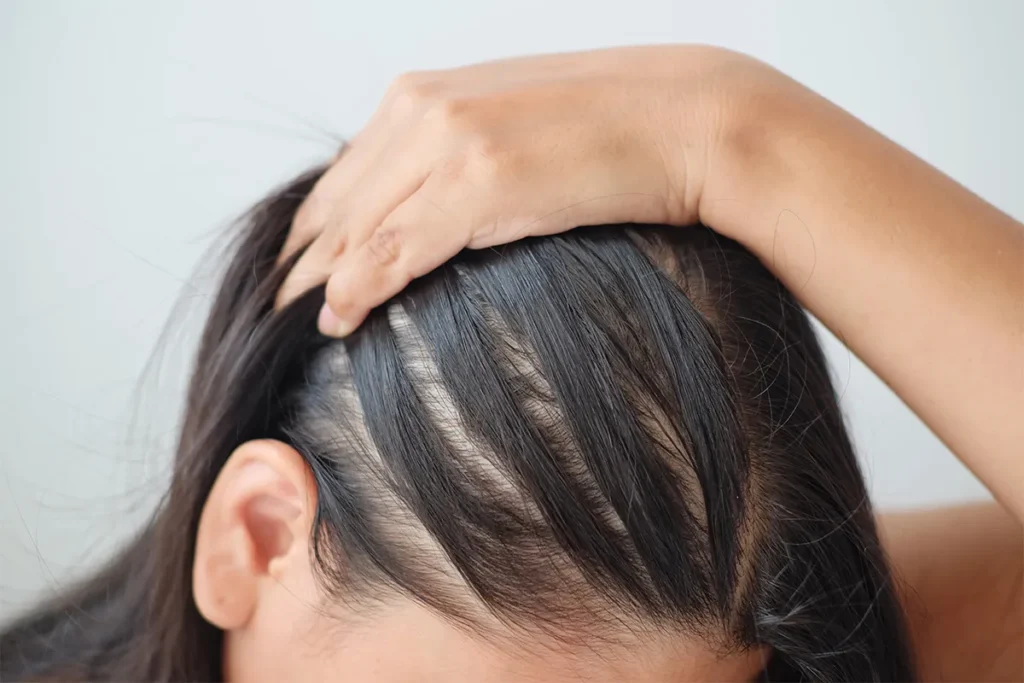
Als je ziet dat je kruin dunner wordt, kan dat vervelend zijn, maar je bent niet de enige. Studies tonen aan dat ongeveer 85% van de mannen tegen hun 50ste veel haarverlies heeft. De kruin is een veelvoorkomende plek voor kaalheid.
Vroegtijdig ingrijpen is belangrijk. Medische behandelingen kunnen echt helpen om haaruitval in dit gebied te vertragen of te stoppen. Bij GoldCity Center weten we hoe moeilijk kroonuitdunning kan zijn. Wij bieden behandelingen die zowel effectief als betaalbaar zijn, ontworpen om je te helpen je beter te voelen.
Belangrijkste opmerkingen
Ongeveer 85% van de mannen krijgt op 50-jarige leeftijd te maken met aanzienlijke haaruitdunning.
Haarverlies in de kruin is een veel voorkomende vorm van kaalheid.
Vroegtijdig ingrijpen met medische behandelingen kan het dunner worden van het haar vertragen of stoppen.
GoldCity Center biedt patiëntgerichte behandelingen voor dunner wordende kronen.
Het aanpakken van haaruitval kan een aanzienlijke impact hebben op iemands zelfvertrouwen en welzijn.
Begrijpen waarom je haar op je kruin verliest
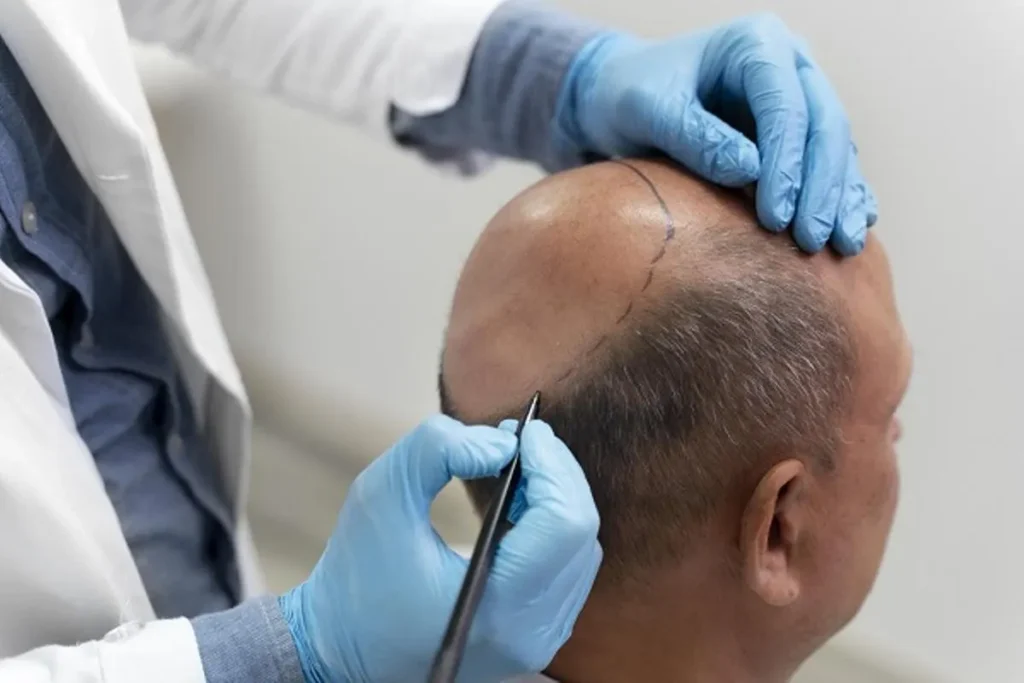
Haarverlies op de kruin komt vaak voor bij mannen. Weten waarom het gebeurt is de sleutel tot het vinden van een goede behandeling. Alopecia androgenetica is de belangrijkste reden voor haaruitval op de kruin. Het is verantwoordelijk voor ongeveer 95% van de haaruitval bij mannen.
De wetenschap van DHT en kaalheid bij mannen
Kaalheid volgens het mannelijk patroon wordt voornamelijk veroorzaakt door erfelijkheid en gevoeligheid voor dihydrotestosteron (DHT). DHT doet haarzakjes krimpen, wat leidt tot dunnere, kortere haren. Inzicht in de rol van DHT is van vitaal belang bij de behandeling van dunner wordend kruinhaar bij mannen.
“De omzetting van testosteron in DHT is een belangrijke factor in de ontwikkeling van alopecia androgenetica”, zo bleek uit een onderzoek in het Journal of Clinical Endocrinology and Metabolism.
Hoe kroonhaaruitval verschilt van andere typen
Kroonhaaruitval is anders dan andere vormen van haaruitval. Het begint met een terugwijkende haarlijn en wordt dan dunner op de kruin. In tegenstelling tot alopecia areata, dat vlekkerig haarverlies veroorzaakt, volgt mannelijke kaalheid een specifiek patroon.
Kroonhaaruitval wordt vaak gekenmerkt door een geleidelijke uitdunning van het haar.
Het wordt voornamelijk veroorzaakt door hormonen en genetica.
Stress, slechte voeding en keuzes in levensstijl kunnen het verergeren.
Statistieken: Wie is getroffen en wanneer
Veel mannen hebben last van kaalheid. Tegen hun 50ste hebben ongeveer 50% van de mannen wat haar verloren.
Als mannen deze statistieken en de oorzaken van haaruitval op de kruin kennen, kunnen ze beter actie ondernemen. Vroegtijdige herkenning en behandeling kan het dunner worden van het haar op de kruin vertragen of stoppen.
5 Bewezen methodes om het dunner worden van kroonhaar te stoppen
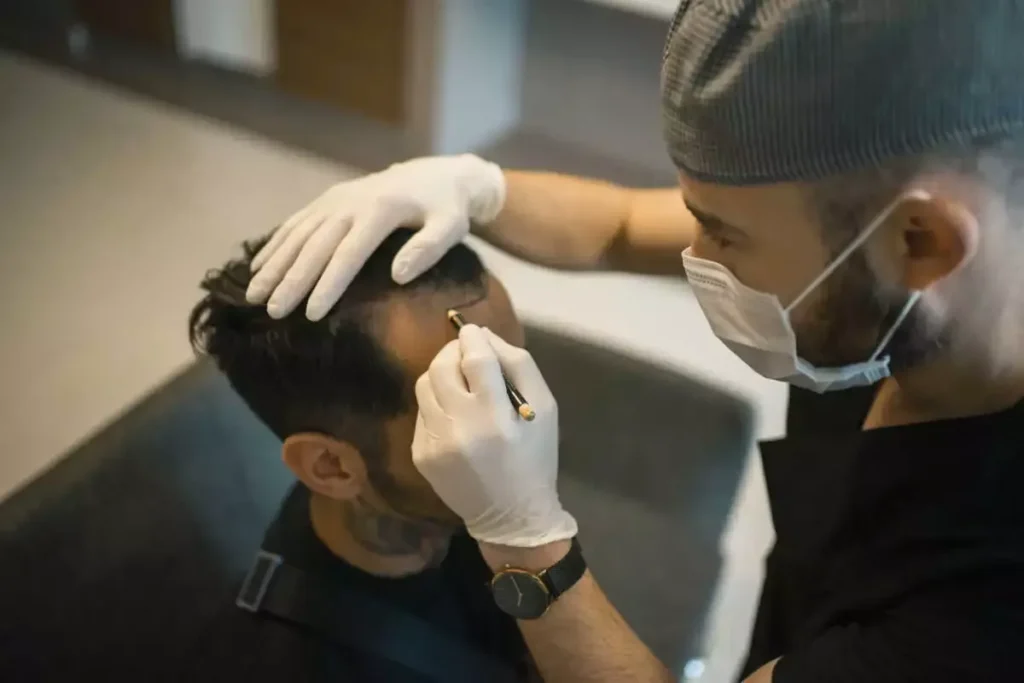
Een volle bos haar terugkrijgen is mogelijk met de juiste stappen. Haarverlies op de kruin kan voor veel mannen vervelend zijn. Maar er zijn bewezen methodes om het dunner worden van het haar te stoppen en zelfs nieuw haar te laten groeien.
Methode 1: Finasteride behandeling (83% succespercentage)
Finasteride is een medicijn dat door de FDA is goedgekeurd voor haaruitval in de kruin. Het heeft een 83% succespercentage in het stoppen van haaruitval na twee jaar. Het blokkeert het hormoon DHT dat haaruitval veroorzaakt. Een vooraanstaand dermatoloog noemt Finasteride een “game-changer” voor mannen met mannelijke kaalheid.
Methode 2: Plaatselijke toediening van Minoxidil
Topische minoxidil is een bekende behandeling tegen haaruitval. Het verlengt de actieve groeifase van het haar en versterkt de follikels. Het wordt rechtstreeks op de hoofdhuid aangebracht en is gemakkelijk en niet-invasief. Regelmatig gebruik kan de haardichtheid en -dikte verbeteren.
Methode 3: Geavanceerde technieken voor hoofdhuidverzorging
Geavanceerde hoofdhuidverzorging is meer dan alleen de juiste shampoos gebruiken. Het gaat om het creëren van een gezonde omgeving voor de hoofdhuid. Technieken zijn onder andere hoofdhuidmassages om de doorbloeding te stimuleren en het gebruik van producten die rijk zijn aan voedingsstoffen. Een gezonde hoofdhuid is de sleutel tot een gezonde haargroei.
Methode 4: Dieet en levensstijl aanpassen
Voeding en levensstijl zijn de sleutel tot gezond haar. Het eten van voedingsmiddelen die rijk zijn aan vitaminen en mineralen zoals biotine, vitamine D en ijzer helpt. Stress verminderen door meditatie en lichaamsbeweging helpt ook. Een evenwichtige levensstijl ondersteunt de algehele gezondheid, inclusief gezond haar.
Conclusie: Actie ondernemen tegen kroonhaaruitval
Omgaan met dunner wordend haar op de kruin vraagt om een volledig plan. Als je weet waarom je daar haar verliest, kun je het beter bestrijden. Zo kun je kaalheid in de kiem smoren.
Haaruitval vroegtijdig opsporen en behandelen kan een groot verschil maken. Opties zoals Finasteride en Minoxidil kunnen echt helpen. Ze zijn goed voor mensen die aan de bovenkant haar verliezen.
Door je haaruitval onder controle te nemen, kun je je zelfverzekerder voelen. Een nieuwe aanpak van haaruitval kan je leven veranderen. Het laat je mooi en vol leven voelen.
FAQ
Wat veroorzaakt haaruitdunning op de kruin?
Haaruitdunning op de kruin kan te wijten zijn aan genetica, hormonale onevenwichtigheden en DHT-gevoeligheid. Deze factoren leiden vaak tot kaalheid bij mannen.
Is dunner wordend haar op de kruin een teken van kaal worden?
Het is niet altijd een teken van kaalheid, maar het kan wel een vroege waarschuwing zijn. Als het niet behandeld wordt, kan het leiden tot meer haaruitval.
Kan ik haaruitdunning op de kruin tegengaan?
Ja, je kunt het dunner worden van je haar vertragen of stoppen met de juiste verzorging. Finasteride, minoxidil, hoofdhuidverzorging en dieetveranderingen kunnen helpen.
Hoe effectief is een behandeling met finasteride tegen kruinhaaruitval?
Finasteride is zeer effectief, met een slagingspercentage van 83%. Het helpt haaruitval op de kruin te vertragen of te stoppen.
Kunnen veranderingen in dieet en levensstijl echt helpen tegen kroonhaar dat dunner wordt?
Ja, een evenwichtig dieet en een gezonde levensstijl kunnen de haargroei bevorderen. Ze kunnen ook het dunner worden van het haar op de kruin verminderen.
Hoe lang duurt het voordat je resultaat ziet van haaruitvalbehandelingen?
De resultaten variëren per behandeling. Het kan maanden tot een jaar of meer duren voordat je verbeteringen ziet in haargroei en minder dunner haar.
Is haaruitdunning op de kruin normaal bij het ouder worden?
Enige haaruitdunning bij het ouder worden is normaal. Maar overmatige of vroegtijdige haaruitval op de kruin kan medische hulp nodig hebben.
Kan ik kruinhaaruitval voorkomen als ik al last heb van dunner worden?
Het is moeilijk om kruinhaaruitval volledig te voorkomen. Maar een vroegtijdige behandeling kan het dunner worden van het haar vertragen of stoppen.
Referenties
Nationaal Centrum voor Biotechnologie-informatie. Evidence-Based Medisch Inzicht. Opgehaald van https://pubmed.ncbi.nlm.nih.gov/9777765/





