

Chemotherapy-induced alopecia affects about 65% of cancer patients. The hair loss severity varies based on the drugs used. Chemotherapy targets fast-growing cells, but it also harms healthy cells like hair follicles, leading to chemotherapy hair loss.
Not all chemotherapy drugs lead to hair loss. New research helps patients and doctors make better choices in cancer care. Knowing how chemotherapy causes hair loss is key for those facing cancer treatment.
Belangrijkste opmerkingen
Chemotherapy-induced alopecia affects a significant percentage of cancer patients.
The severity of hair loss depends on the specific chemotherapy drugs used.
Not all chemotherapy drugs cause hair loss.
Understanding which treatments trigger alopecia is critical for informed cancer care decisions.
Patients and healthcare providers can make informed decisions with emerging knowledge.
Understanding How Chemotherapy Affects Hair Growth
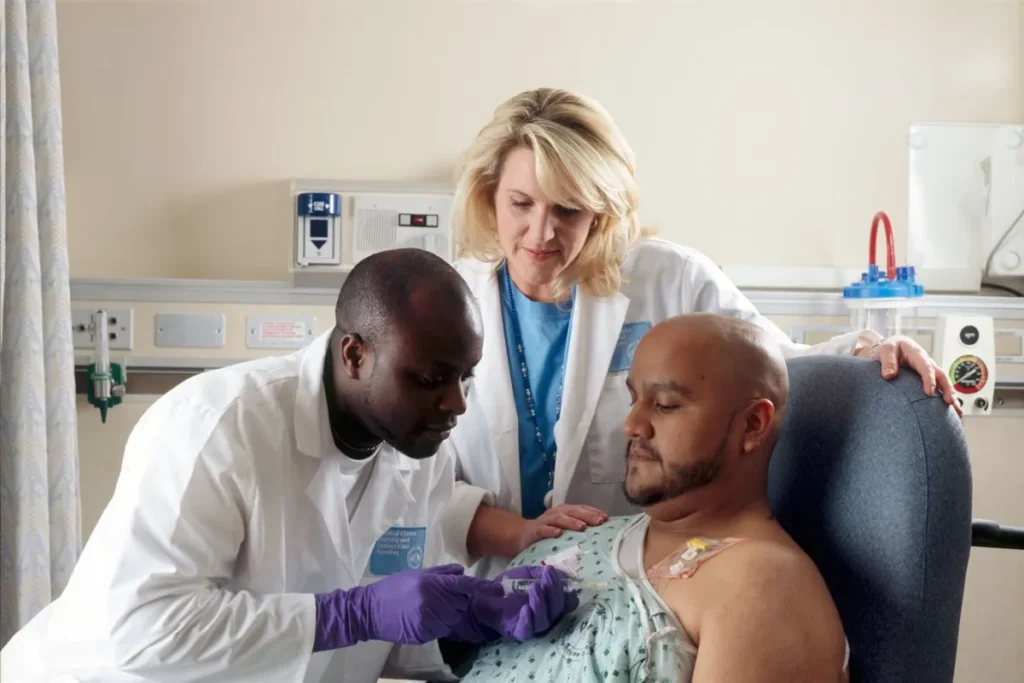
Chemotherapy targets fast-growing cells, including hair follicles, causing hair loss. This is why some chemotherapy drugs lead to more hair loss than others.
The Mechanism Behind Chemotherapy-Induced Hair Loss
Chemotherapy drugs aim to kill fast-growing cancer cells. But they also harm other fast-growing cells, like those in hair follicles. This makes hair follicles weak, leading to hair loss.
According to
Knowing how this works helps patients and doctors make better choices about treatments.
Timeline and Patterns of Hair Loss
Hair loss starts 2-3 weeks after chemotherapy begins. It mainly affects the scalp, where hair grows fast. The amount of hair loss depends on the chemotherapy drug, dose, and how the body reacts. Some people might just have thinner hair, while others lose all their hair.
Chemotherapy’s effect on hair growth worries many patients. By understanding how and when hair loss happens, patients can prepare for their treatment’s effects.
Chemotherapy Drugs Most Likely to Cause Hair Loss
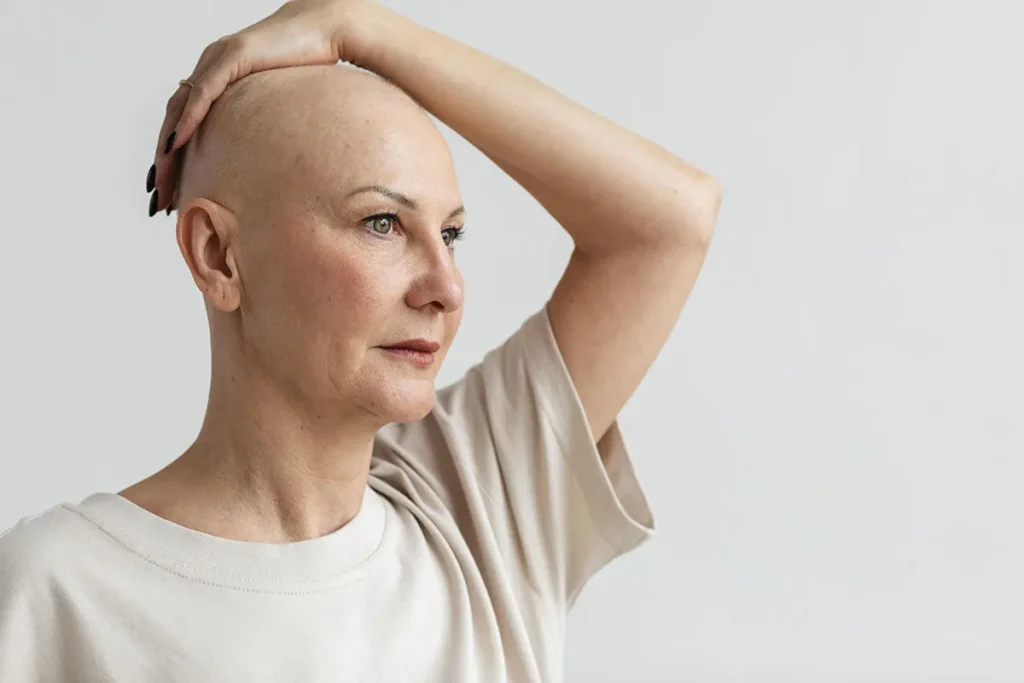
Knowing which chemotherapy drugs can cause hair loss helps patients get ready for treatment. Hair loss from chemotherapy, or alopecia, is a tough side effect for many. The chance and how much hair is lost depend on the chemotherapy drugs used.
High-Risk Medications (80-100% Hair Loss Rate)
Some chemotherapy drugs lead to a lot of hair loss. Anti-microtubule agents like docetaxel and doxorubicin cause hair loss in over 80% of cases. These drugs are often used to treat cancers like breast, lung, and prostate cancer.
Other drugs at high risk include anthracyclines like epirubicin, used for breast cancer and lymphomas. These drugs cause a lot of hair loss because they target fast-growing cells, like hair follicles.
Moderate-Risk Medications
Moderate-risk chemotherapy drugs can also cause a lot of hair loss. Drugs like cyclophosphamide and ifosfamide are used in many chemotherapy plans. They can lead to hair loss in a big number of patients.
Knowing the risks of these drugs helps patients and doctors make better choices. This can help lessen hair loss during treatment.
Chemotherapy Options That Minimize Hair Loss
Chemotherapy is a key treatment for many cancers. Some treatments are better at keeping hair. How much hair loss happens depends on the drugs, their dose, and the person’s health.
Low-Risk Conventional Chemotherapy Drugs
Some chemotherapy drugs are less likely to cause hair loss. For example, docetaxel and paclitaxel are used for breast cancer and other cancers. They might cause less hair loss than other drugs. But, hair loss is possible and can vary.
A study looked at different chemotherapy regimens. It found some combinations with these drugs led to less hair loss. Patients should talk to their oncologist about their risk.
Oral Chemotherapy Pills and Their Varying Effects
Oral chemotherapy pills, like capecitabine and temozolomide, treat various cancers. These pills can affect hair loss differently. Some people might just see thinning, while others might not lose much hair.
Capecitabine, used for breast and colorectal cancers, tends to cause less hair loss than IV chemotherapy. But, everyone reacts differently, and some might lose a lot of hair.
Immunotherapy and Its Impact on Hair
Immunotherapy boosts the body’s defenses against cancer. It has different side effects than traditional chemotherapy. Immunotherapy drugs, like pembrolizumab and nivolumab, are less likely to cause hair loss. They work by boosting the immune system, not targeting fast-growing cells.
Even so, some people might experience hair thinning or loss. It’s important for patients to talk to their healthcare provider about possible side effects.
Conclusie
Understanding how chemotherapy affects hair loss is key for patients. When you have cancer, does your hair fall out? It depends on the chemotherapy drugs used. Not all treatments lead to hair loss.
Does all chemo make you lose hair? The chance and severity of hair loss vary. Some drugs are more likely to cause it. Knowing this can help patients deal with the side effects.
Do you always lose hair with chemotherapy? The answer is no. Some treatments, like certain drugs and pills, might not cause much hair loss. Talking to your doctor can help you understand what to expect.
Being informed helps patients face chemotherapy’s hair loss challenges. Every person’s experience is different. Knowing how chemotherapy might affect your hair can make you feel more in control.
FAQ
Does chemotherapy always cause hair loss?
No, not all chemotherapy drugs cause hair loss. The chance of hair loss depends on the type of drug and its dose.
What chemotherapy drugs are most likely to cause hair loss?
Some drugs, like anthracyclines and taxanes, often lead to hair loss. They can cause hair loss in 80-100% of cases.
Are there any chemotherapy options that minimize hair loss?
Yes, some drugs, like those in targeted therapy, have a lower risk of hair loss. Immunotherapy might also not cause much hair loss.
Do chemo pills cause hair loss?
Oral chemotherapy pills can lead to hair loss, but the risk varies. Some pills might have a lower risk than traditional chemotherapy.
Does immunotherapy cause hair loss?
Immunotherapy is less likely to cause hair loss than traditional chemotherapy. But, some people might experience hair thinning or loss.
When does hair loss typically start after chemotherapy?
Hair loss usually starts a few weeks after starting chemotherapy. The exact time can vary based on the individual and the treatment.
How long does hair loss last after chemotherapy?
Hair loss from chemotherapy is usually temporary. Hair growth starts again after treatment ends. But, it can take several months for hair to fully regrow.
Can I prevent hair loss during chemotherapy?
There’s no sure way to prevent hair loss during chemotherapy. But, scalp cooling might help reduce the risk or severity of hair loss.
What chemotherapy does not cause hair loss?
Some chemotherapy drugs, like those in hormone therapy, might not cause much hair loss. Targeted therapies and immunotherapies also have a lower risk of hair loss.
Referenties
National Center for Biotechnology Information. Evidence-Based Medical Insight. Retrieved from https://pmc.ncbi.nlm.nih.gov/articles/PMC10137043/





