

Female pattern hair loss is common, affecting about 33% of women at some point. By age 50, 40% of women face hair loss, often due to hormonal changes, aging, or stress. The American Hair Loss Association notes that losing hair can also lower a woman’s confidence and self-esteem.
Learning how to regrow hair is vital for women dealing with hair loss. With the right treatments and knowledge, women can regain their confidence and have healthier, fuller hair. In the United States, androgenetic alopecia affects 30 million women, making effective treatments a must.
Belangrijkste opmerkingen
Understanding the causes of female hair loss is key to effective treatment.
Hormonal shifts, aging, and stress are common triggers for hair loss in women.
Proven treatments can help regrow hair and restore confidence.
Early intervention is key to slowing or reversing hair loss progression.
Consulting a specialist can provide personalized solutions for hair regrowth.
Understanding Female Hair Loss: Causes and Patterns
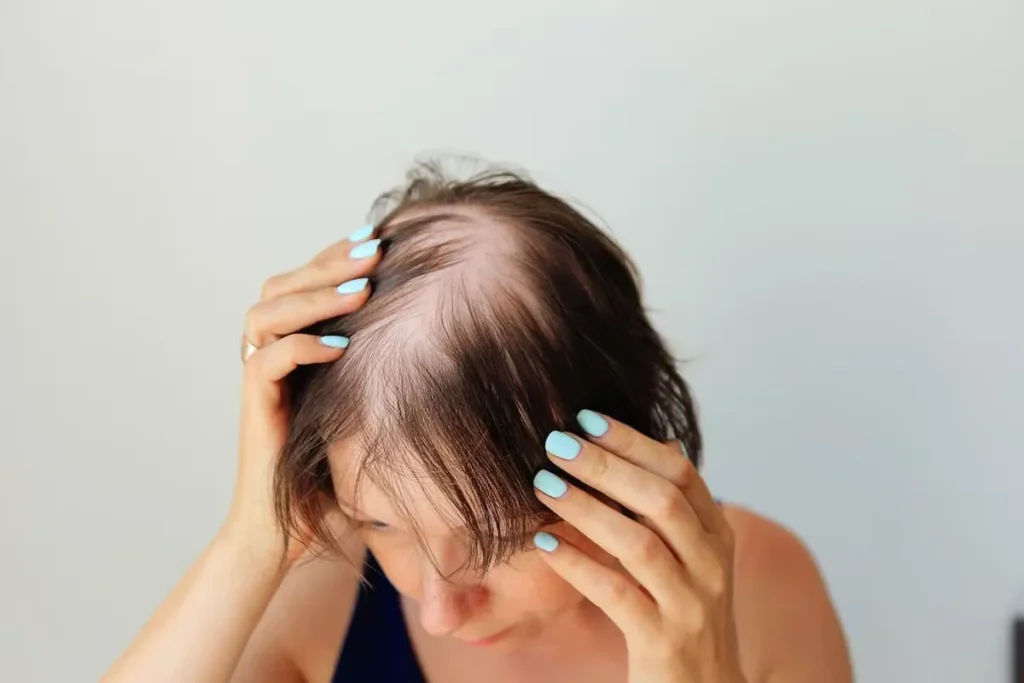
It’s important to know why women lose their hair. Hair loss in women can come from genetics, hormonal changes, and aging.
Common Types of Hair Loss in Women
Women can experience different types of hair loss. Androgenetic alopecia, or female pattern baldness, is the most common. It causes hair to thin at the crown and top of the head, but not at the front.
Other types include alopecia areata, which causes patchy hair loss, and telogen effluvium. This is triggered by stress and leads to a lot of hair shedding.
Risk Factors and Statistics
About 50% of both men and women suffer from androgenetic hair loss. Women often notice hair loss during menopause or after big hormonal changes.
Things that increase the risk of hair loss in women include family history, hormonal imbalances, and certain health issues. Many women experience hair loss, and it gets more common with age.
How Female Pattern Baldness Differs from Male Pattern Baldness
Female pattern baldness is different from male pattern baldness. Men often see their hairline recede, but women usually keep their hairline. Instead, they see thinning at the crown.
Knowing these differences helps in finding the right treatment. Options include hair loss menopause treatment and other therapies. These can help manage and possibly reverse hair loss.
Looking for a women’s hair loss cure is an ongoing effort. There are many treatments, from FDA-approved medications to lifestyle changes. These can help address hair loss in women.
What Is Good for Hair Growth for Women: Evidence-Based Treatments
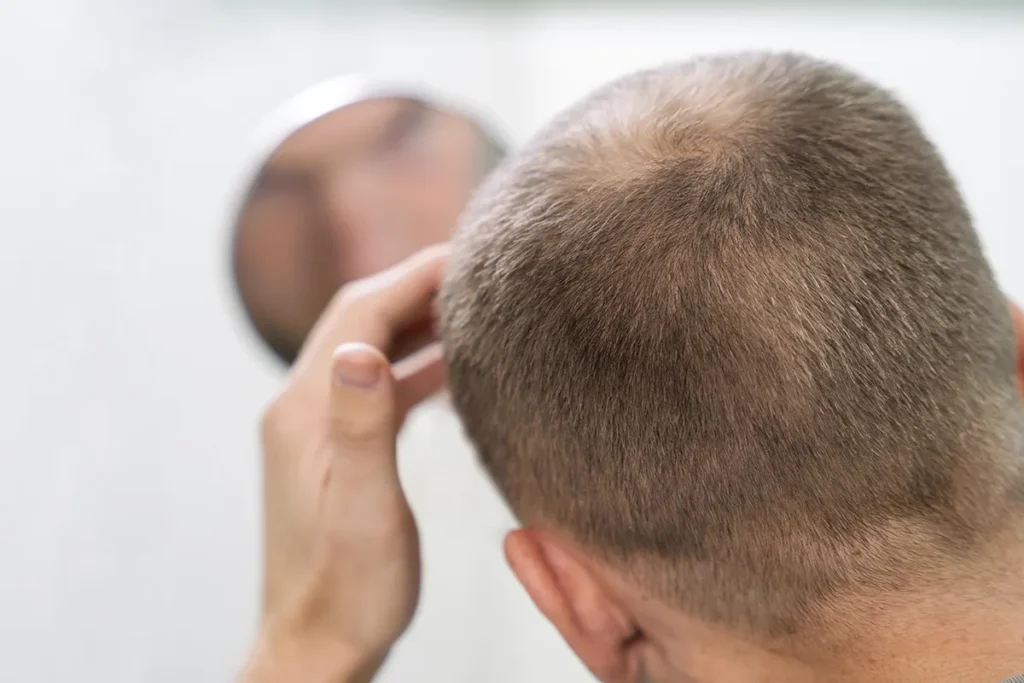
Hair growth for women is now easier, thanks to new, proven treatments. Women facing hair loss have many effective options. These solutions are made for their specific needs.
FDA goedgekeurde medicijnen
Certain medications are approved by the FDA for treating female hair loss. They are safe and work well. Topical minoxidil is a well-known treatment. It boosts hair growth by improving blood flow to the scalp.
For more serious cases, spironolactone and finasteride are options. These medications fight hair loss by balancing hormones.
Professional Treatments for Women’s Hair Restoration
There are also professional treatments for hair restoration. Platelet-rich plasma (PRP) therapy uses PRP to stimulate hair growth. It works by releasing growth factors.
Microneedling uses tiny needles to create micro-injuries. This boosts collagen and helps treatments work better. Low-level laser therapy (LLLT) uses lasers to stimulate hair growth. It increases blood flow and helps hair follicles.
Leefstijl en voedingsaanpak
Changing your lifestyle and diet can also help your hair. Eating foods rich in vitamins and minerals is key. Biotin, vitamin D, and iron are good for hair growth.
Reducing stress and avoiding heat styling can also help. Yoga, meditation, and gentle hair care are good for your hair’s health.
Conclusion: Creating Your Personalized Hair Regrowth Strategy
Women need a detailed plan to regrow hair. This plan should tackle the reasons behind hair loss and use proven treatments. By learning about female hair loss and trying effective treatments, you can make a plan that suits you.
Using treatments like minoxidil and PRP therapy together can lead to the best results. Starting early is vital to keep and grow hair. So, it’s important to talk to a healthcare expert to find the best treatment for you.
Approach hair growth in a holistic way, including diet and lifestyle changes. This can lead to healthier, fuller hair and boost your confidence. Whether you’re beginning your hair growth journey or want to improve your current treatment, the right plan can help you achieve your hair goals.
FAQ
What are the most effective treatments for female hair loss?
Top treatments include FDA-approved minoxidil and professional options like PRP therapy. Also, making lifestyle changes that help hair health is key.
How does minoxidil work for women’s hair loss?
Minoxidil is a topical solution. It boosts blood flow to the scalp. This helps hair grow longer and makes follicles bigger.
What is the difference between female and male pattern baldness?
Female pattern baldness causes hair to thin all over the scalp. Male pattern baldness leads to a receding hairline and bald spots.
Are there any natural remedies for promoting hair growth in women?
Some natural remedies like biotin and saw palmetto might help. A diet full of vitamins and minerals is also good for hair.
How can I prevent further hair loss and promote regrowth?
Keep a healthy lifestyle. Eat well, reduce stress, and use gentle hair products. This helps prevent hair loss and promotes growth.
What are the best hair loss treatments for women with androgenetic alopecia?
For androgenetic alopecia, try FDA-approved minoxidil and hormonal therapies. Professional treatments like PRP and low-level laser therapy also work well.
Can hair regrowth be achieved with lifestyle changes alone?
Lifestyle changes like a balanced diet and exercise support hair health. But, they might not lead to significant regrowth alone.
Hoe lang duurt het voordat je resultaat ziet van haargroeimiddelen?
Results vary by treatment. But, most women see improvements in several months to a year.
Referenties
Nationaal Centrum voor Biotechnologie-informatie. Evidence-Based Medisch Inzicht. Opgehaald van https://pmc.ncbi.nlm.nih.gov/articles/PMC6322157/[3





