Many people wonder how to get rid of age spots and regain an even, youthful complexion. Age spots, also known as liver spots or sun spots, are flat, brown‑gray patches that appear on sun‑exposed areas of the skin, such as the face, hands, and arms. While they are harmless, they can be a source of cosmetic concern, prompting individuals to seek both preventive and corrective solutions.
In this article we’ll explore the underlying causes of age spots, discuss practical prevention strategies, and present a range of treatment options—from clinical procedures performed by dermatologists to at‑home remedies you can incorporate into your daily routine. Understanding the science behind pigmentation will help you make informed decisions and achieve lasting results.
Recent studies show that up to 70% of adults over 40 develop some form of hyperpigmentation, highlighting the importance of proactive skin care. Whether you’re dealing with a few isolated spots or more extensive discoloration, the guidance below will equip you with the knowledge to effectively address the issue.
Understanding Age Spots: Causes and Types
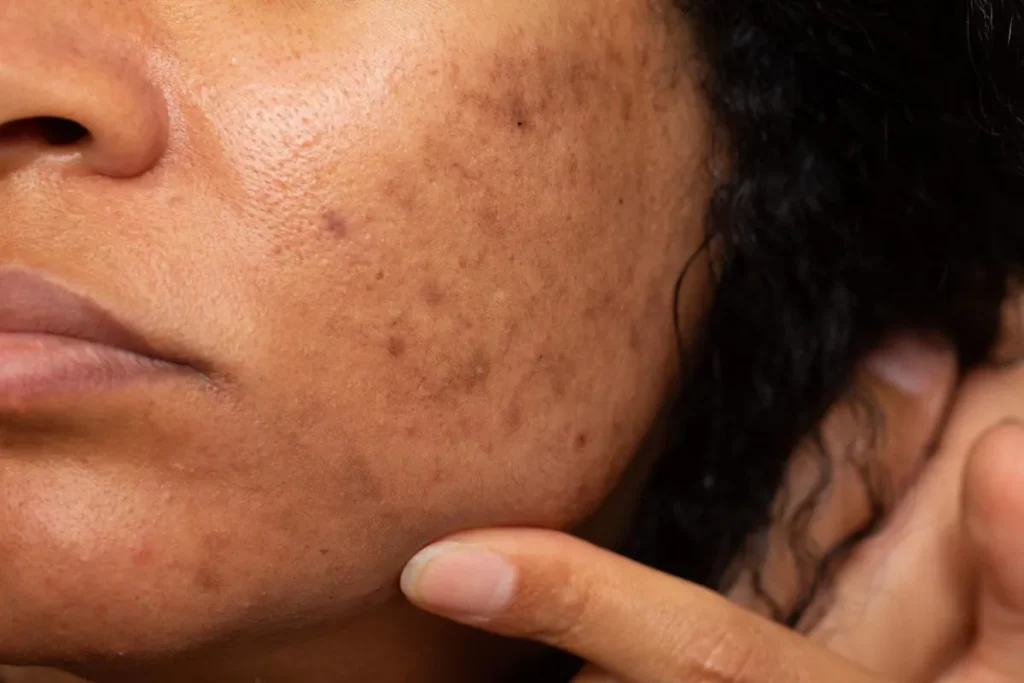
Age spots develop when melanin‑producing cells (melanocytes) become overactive in response to ultraviolet (UV) radiation. This leads to localized clusters of pigment that appear as flat, brown or black‑dark spots on the face and other exposed areas. The most common types include:
- Liver spots – often found on the back of the hands and forearms.
- Sun spots – caused by cumulative sun exposure over many years.
- Freckles – smaller, lighter patches that may darken with sun exposure.
- Melasma – larger, irregular patches, more common in women.
A table summarizing key characteristics helps differentiate these conditions:
| Type | Typical Location | Color | Beginleeftijd |
|---|---|---|---|
| Liver spots | Hands, forearms | Brown‑gray | 40+ |
| Sun spots | Face, shoulders | Dark brown | 30+ |
| Freckles | Cheeks, nose | Light brown | Childhood |
| Melasma | Cheeks, upper lip | Gray‑brown | 20‑40 |
Risk factors such as genetics, hormonal changes, and certain medications can also influence the development of pigmentation. Recognizing these variables is essential when determining the most appropriate approach to how to get rid of age spots.
Prevention Strategies: Sun Protection and Skin Care
Preventing new age spots is often more effective than treating existing ones. Consistent sun protection reduces UV‑induced melanin production, which is the primary driver of hyperpigmentation. Key preventive measures include:
- Daily use of a broad‑spectrum sunscreen with SPF 30 or higher.
- Wearing protective clothing, wide‑brim hats, and UV‑blocking sunglasses.
- Seeking shade during peak sun hours (10 am–4 pm).
- Applying antioxidant serums containing vitamin C or niacinamide.
In addition to external protection, an internal skincare routine supports skin renewal. Look for products labeled as dark spot remover that contain ingredients such as hydroquinone, retinoids, or alpha‑hydroxy acids (AHAs). These compounds promote exfoliation and inhibit melanin synthesis, helping to fade existing spots over time.
Below is a checklist for an effective daily regimen:
| Step | Product Type | Key Ingredient |
|---|---|---|
| Morning | Sunscreen | Zinc oxide, titanium dioxide |
| Morning | Antioxidant serum | Vitamin C |
| Evening | Retinoid cream | Retinol |
| Evening | Exfoliant | Glycolic acid (AHA) |
Adopting these habits can significantly lower the likelihood of developing new spots and improve the appearance of existing pigmentation, making the journey to how to get rid of age spots more manageable.
Professional Treatments: Clinical Options for Pigmentation
When at‑home methods are insufficient, professional interventions can deliver faster and more pronounced results. Dermatologists and cosmetic clinics offer a variety of evidence‑based treatments tailored to the depth and severity of the spots.
Lasertherapie
Laser therapy, such as Q‑switched Nd:YAG or fractional CO₂ lasers, targets melanin particles, breaking them down for removal by the body’s immune system. This method is especially effective for stubborn liver spots and sun spots.
Intense Pulsed Light (IPL)
IPL uses broad‑band light to treat superficial pigmentation. It is less invasive than laser and suitable for patients with lighter skin tones.
Chemische peelings
Medium‑depth peels containing trichloroacetic acid (TCA) or glycolic acid can improve skin texture while fading dark spots. Multiple sessions are often required for optimal outcomes.
The following comparison outlines key aspects of each procedure:
| Behandeling | Depth of Action | Typical Sessions | Recovery Time |
|---|---|---|---|
| Lasertherapie | Deep to superficial | 1‑3 | 1‑3 days |
| IPL | Superficial | 3‑5 | Minimal |
| Chemical Peel | Medium | 4‑6 | 5‑7 days |
Choosing the right clinical approach depends on factors such as skin type, spot size, and personal tolerance for downtime. Consulting with a qualified specialist at Gold City Medical Center ensures a personalized plan that aligns with your aesthetic goals.
At‑Home Remedies: Topical and Natural Options
For those preferring non‑invasive routes, a range of topical products and home remedies can gradually diminish the appearance of age spots. While results are typically slower than clinical procedures, consistency yields noticeable improvement.
Topical Treatments
Over‑the‑counter options labeled as dark spot treatment often contain ingredients like hydroquinone (2‑4%), kojic acid, or niacinamide. These agents inhibit melanin production and accelerate cell turnover.
Natural Ingredients
Several kitchen staples have mild bleaching properties:
- Vitamin C – lemon juice applied briefly can brighten the skin.
- Aloe vera – soothing gel with aloin, a natural depigmenting compound.
- Green tea extract – rich in antioxidants that may reduce pigmentation.
When using natural remedies, it is essential to conduct a patch test to avoid irritation, especially on sensitive facial skin.
A quick reference guide for daily application:
| Product | Active Component | Application Frequency |
|---|---|---|
| Hydroquinone cream | Hydroquinone 2‑4% | Nightly |
| Vitamin C serum | Ascorbic acid | Morning |
| Lemon juice | Citric acid | 2‑3 times/week |
| Aloe vera gel | Aloin | Daily |
While these methods can help you answer the question of how to get rid of age spots, setting realistic expectations and combining them with sun protection maximizes efficacy.
Choosing the Right Treatment Plan: Factors to Consider
Deciding on the best approach to eliminate age spots involves evaluating several personal and clinical factors. A thorough assessment by a qualified professional ensures safety and optimal results.
Skin Type and Tone
Darker skin tones are more prone to post‑inflammatory hyperpigmentation, making certain laser settings unsuitable. In such cases, milder options like IPL or topical agents are preferred.
Spot Characteristics
The size, depth, and location of the spots influence treatment choice. Superficial sun spots may respond well to chemical peels, while deeper liver spots often require laser therapy.
Recovery Tolerance
Patients with busy schedules may favor procedures with minimal downtime, such as IPL, whereas those seeking faster results might opt for laser sessions despite a brief recovery period.
The decision matrix below helps visualize the selection process:
| Factor | Preferred Treatment |
|---|---|
| Light skin, superficial spots | IPL or chemical peel |
| Medium‑dark skin, deeper spots | Low‑fluence laser or topical agents |
| Limited downtime | Topical regimen + sunscreen |
| Desire for rapid results | Laser therapy |
Engaging with the specialists at Gold City Medical Center allows you to develop a customized plan that balances effectiveness, safety, and convenience, ultimately guiding you toward a clearer complexion.
Why Choose Gold City Medical Center
Gold City Medical Center combines integrative medical expertise with cutting‑edge cosmetic technology to deliver personalized skin‑care solutions. Our team of board‑certified dermatologists and aesthetic specialists employs evidence‑based treatments, ensuring both safety and efficacy. From advanced laser systems to tailored topical protocols, we prioritize patient comfort and long‑term results. Trust our comprehensive approach to help you achieve radiant, spot‑free skin.
Ready to restore a luminous complexion? Book your personalized skin assessment today and discover the most effective strategy to eliminate age spots.
Contact Gold City Medical Center now and take the first step toward radiant, even‑toned skin.
FAQ
What causes age spots and how do they form?
Age spots form when melanocytes become overactive due to UV exposure, producing excess melanin that clusters as flat brown‑gray patches.
What are the most effective sun protection methods to prevent age spots?
Daily broad‑spectrum SPF 30+ sunscreen, protective clothing, wide‑brim hats, UV‑blocking sunglasses, and seeking shade during peak sun hours.
Which professional treatments are best for removing deep liver spots?
Laser therapy, especially Q‑switched Nd:YAG or fractional CO₂ lasers, is most effective for deep liver spots.
Can natural home remedies like lemon juice actually fade age spots?
Lemon juice contains citric acid, which can mildly brighten skin, but results are slow and may cause irritation if not used carefully.
How long does it take to see results from topical dark spot treatments?
Visible improvement typically appears after 4‑8 weeks of consistent use, with full results taking up to 3‑6 months.
What factors should I consider when choosing a treatment for age spots?
Consider skin type, spot depth, desired downtime, and whether you prefer clinical or at‑home solutions.