Hair and scalp diseases affect millions of people worldwide, yet many individuals remain uncertain about their origins and how to address them effectively. From persistent dandruff to progressive hair loss, these conditions can impact confidence, comfort, and overall well‑being. Understanding the underlying mechanisms is the first step toward targeted care.
Recent studies indicate that up to 30% of adults experience some form of scalp irritation or hair thinning during their lifetime. Whether triggered by genetics, hormonal shifts, or environmental factors, early recognition can prevent irreversible damage. This article provides a comprehensive overview of the most prevalent disorders, their causes, recognizable signs, diagnostic pathways, and evidence‑based treatment options.
We will also discuss practical prevention strategies and explain why partnering with an integrative clinic such as Gold City Medical Center can streamline the journey from diagnosis to lasting improvement.
Common Types of Hair and Scalp Diseases
Several conditions dominate the landscape of hair and scalp health. While each presents unique characteristics, they often share overlapping symptoms such as itching, flaking, or visible thinning. Below is a quick snapshot of the most frequently encountered disorders.
| Condition | Main Symptoms | Typical Causes | Treatment Options |
|---|---|---|---|
| Seborroïsch eczeem | Red, oily patches; flaky dandruff | Malassezia yeast overgrowth; hormonal imbalance | Antifungal shampoos, topical steroids |
| Alopecia Areata | Round, smooth bald spots | Auto-immuunrespons | Topical corticosteroids, immunotherapy |
| Dandruff (Seborrhea) | White or yellowish flakes; mild itching | Excess sebum, yeast proliferation | Medicated shampoos, lifestyle adjustments |
| Mannelijke kaalheid (Androgenetische Alopecia) | Gradual receding hairline, vertex thinning | Genetic sensitivity to DHT | Finasteride, minoxidil, hair transplant |
Other notable conditions include traction alopecia from tight hairstyles, telogen effluvium caused by stress or illness, and scalp eczema (often referred to as seborrheic eczema). Recognizing which disorder you are facing is essential for selecting the most effective therapy.
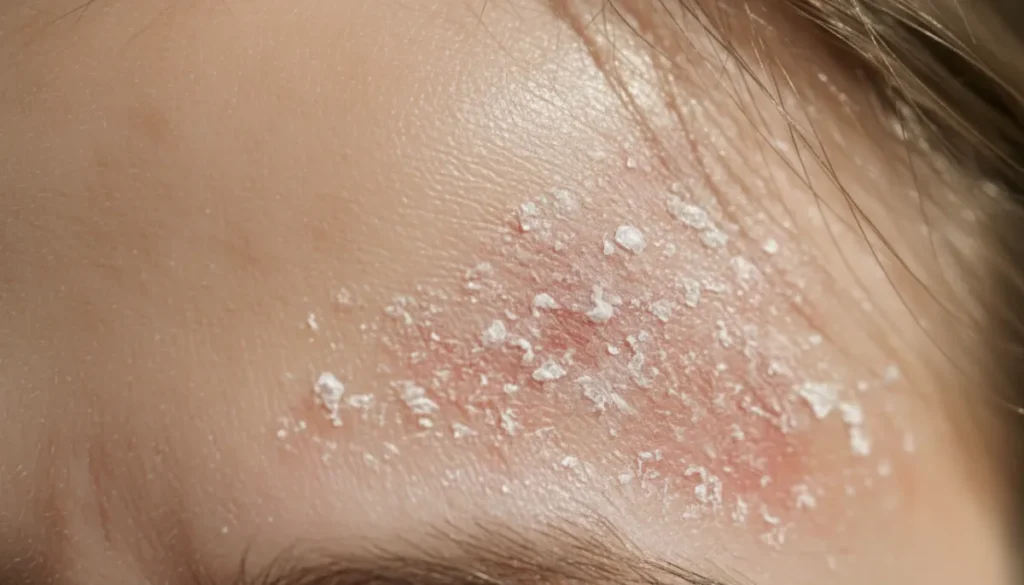
Understanding the Underlying Causes
Identifying the root cause of a hair and scalp disease is often more complex than it appears. Hormonal fluctuations, immune system dysregulation, microbial imbalances, and external irritants all play a role.
Hormonal Influence
Hormones such as dihydrotestosterone (DHT) are directly linked to androgenic alopecia, commonly known as male pattern baldness. Women may experience similar thinning due to estrogen decline during menopause, leading to diffuse hair loss across the crown.
Autoimmune Reactions
Conditions like alopecia areata arise when the immune system mistakenly attacks hair follicles. This results in sudden patchy hair loss and may be associated with other autoimmune disorders such as thyroid disease.
Microbial Factors
Malassezia yeast overgrowth is a primary driver of seborrheic dermatitis and dandruff. An imbalance in the scalp’s microbiome can also exacerbate itching and inflammation, often described as an “itchy scalp.”
Environmental and Lifestyle Triggers
Excessive heat styling, harsh chemicals, and tight braids can cause traction alopecia, while poor nutrition, smoking, and chronic stress contribute to telogen effluvium. Even seasonal changes can affect scalp oil production, leading to temporary flaking.
By pinpointing these contributors, clinicians can tailor interventions that address the disease at its source rather than merely managing symptoms.
Recognizing Symptoms and When to Seek Help
Early detection of hair and scalp diseases can dramatically improve outcomes. While some signs are obvious, others may be subtle and easily dismissed.
- Persistent itching that does not improve with over‑the‑counter shampoos may indicate seborrheic dermatitis or scalp eczema.
- Visible flaking that is oily or yellowish often points to dandruff or seborrhea disease.
- Sudden patchy hair loss without obvious trauma suggests alopecia areata.
- Gradual receding hairline or thinning at the crown is typical of androgenetic alopecia.
- Unexplained scabs or sores on the scalp could signal infection or severe eczema.
If you notice any of these symptoms persisting for more than a few weeks, it is advisable to consult a specialist. Prompt professional evaluation can differentiate between benign conditions and those requiring medical therapy, such as prescription‑strength antifungals or systemic immunomodulators.
Patients often wonder, “What causes dandruff?” While the answer varies, the common denominator is an overactive Malassezia population combined with excess sebum. Understanding this helps patients adopt appropriate shampoo regimens and lifestyle changes.
Diagnostic Approaches and Treatment Options
Accurate diagnosis begins with a thorough medical history and visual examination. Dermatologists may also employ dermoscopy, scalp biopsies, or laboratory tests to confirm the underlying condition.
Diagnostic Tools
• Dermoscopy: A handheld microscope that reveals follicular patterns, useful for distinguishing alopecia areata from telogen effluvium.
• Patch testing: Identifies allergic reactions that could trigger contact dermatitis on the scalp.
• Blood work: Evaluates thyroid function, iron levels, and hormonal profiles, especially when diffuse hair loss is present.
Medische behandelingen
For seborrheic dermatitis and dandruff, antifungal agents such as ketoconazole or selenium sulfide shampoos are first‑line. Topical corticosteroids can reduce inflammation during flare‑ups.
Alopecia areata may respond to intralesional corticosteroid injections or topical immunotherapy (e.g., diphencyprone). In more extensive cases, systemic treatments like oral corticosteroids or JAK inhibitors are considered.
Androgenetic alopecia benefits from FDA‑approved medications: finasteride (oral) and minoxidil (topical). When pharmacologic therapy is insufficient, hair transplant surgery offers a permanent solution, especially for stable pattern baldness.
Integrative and Cosmetic Options
Platelet‑rich plasma (PRP) therapy, low‑level laser therapy, and nutritional supplementation (biotin, zinc, omega‑3 fatty acids) can complement conventional treatments, enhancing follicular health and reducing shedding.
Choosing the right regimen often involves a combination of therapies tailored to the individual’s disease stage, lifestyle, and personal preferences.
Prevention and Lifestyle Tips for Healthy Hair
While not all hair and scalp diseases are preventable, many can be mitigated through simple daily habits.
- Gentle cleansing: Use a sulfate‑free shampoo and limit washing to 2–3 times per week to maintain natural oil balance.
- Balanced nutrition: Incorporate protein‑rich foods, iron, vitamin D, and omega‑3 fatty acids to support follicle growth.
- Avoid harsh styling: Limit heat tools, tight ponytails, and chemical treatments that can cause traction alopecia.
- Stress management: Practice relaxation techniques such as meditation or yoga, as chronic stress can trigger telogen effluvium.
- Regular scalp care: Massage the scalp gently to improve circulation and consider periodic use of scalp‑specific serums containing anti‑inflammatory ingredients.
Routine check‑ups with a qualified specialist allow early detection of subtle changes, ensuring timely intervention before a condition progresses.
Why Choose Gold City Medical Center
Gold City Medical Center combines advanced medical expertise with a personalized, integrative approach to hair and scalp health. Our team of dermatologists, trichologists, and aesthetic specialists collaborates to deliver accurate diagnoses and customized treatment plans. Whether you seek medical therapy for seborrheic dermatitis, advanced hair‑restoration surgery, or supportive wellness services, we prioritize safety, effectiveness, and patient comfort. Trust our experience to guide you toward healthier, fuller hair.
Ready to take control of your hair and scalp health? Contact Gold City Medical Center today to schedule a comprehensive evaluation and discover a treatment plan tailored to your unique needs.
FAQ
What are the most common types of hair and scalp diseases?
The most common conditions include seborrheic dermatitis, alopecia areata, dandruff (seborrhea), and androgenetic alopecia (male pattern baldness).
How can I tell if I have seborrheic dermatitis?
Look for red, oily patches on the scalp that produce flaky, yellowish dandruff and may cause itching.
What causes dandruff?
Dandruff is mainly caused by an overgrowth of Malassezia yeast combined with excess sebum production.
When should I see a doctor for hair loss?
If you notice persistent itching, flaking, sudden patchy loss, or gradual thinning lasting more than a few weeks, consult a specialist.
What treatment options exist for androgenetic alopecia?
FDA‑approved finasteride, topical minoxidil, and hair transplant surgery are the main options.
Can lifestyle changes help prevent scalp diseases?
Yes, gentle cleansing, balanced nutrition, stress management, and avoiding harsh styling can reduce risk.





