Understanding genetic hair fall is the first step toward effective management and lasting results. Millions of people worldwide notice thinning strands or receding hairlines, often wondering whether it’s simply age or something deeper. In fact, hereditary factors account for the majority of hair loss cases, especially in men, but also significantly affect women.
This article delves into the biological mechanisms behind hereditary hair loss, outlines how professionals diagnose the condition, and presents a comprehensive overview of modern treatment pathways—including medication, minimally invasive procedures, and advanced hair transplant techniques offered at Gold City Medical Center. By the end, you’ll know how to differentiate normal shedding from a genetic pattern and what actionable steps you can take.
Recent studies indicate that up to 80% of men experience some degree of hair thinning by age 35, while women are not immune, often facing diffuse thinning that can impact self‑esteem. Recognizing the signs early and seeking appropriate care can dramatically improve outcomes, making the journey from concern to confidence achievable.
What Causes Genetic Hair Fall?
Genetic hair fall, medically known as alopecia androgenetica, stems from a complex interplay of hormones, genetics, and follicular biology. The primary driver is dihydrotestosterone (DHT), a derivative of testosterone that binds to hair follicles, shortening their growth phase and shrinking their size over time. This process leads to the classic pattern of thinning at the crown and temples in men, and diffuse thinning across the scalp in women.
Key contributing factors include:
- Family history of baldness or early hair loss.
- Elevated DHT levels due to genetic sensitivity.
- Age‑related changes in follicle cycling.
- Underlying health conditions such as thyroid disorders or iron deficiency that can exacerbate hereditary loss.
Below is a concise comparison of how genetic hair fall manifests in different demographics:
| Demographic | Typical Pattern | Beginleeftijd |
|---|---|---|
| Male | Receding hairline, thinning crown | Late teens to early 30s |
| Vrouw | Diffuse thinning, widening part | Late 20s to 40s |
Understanding these patterns helps clinicians tailor interventions that target the root cause rather than just the symptoms.
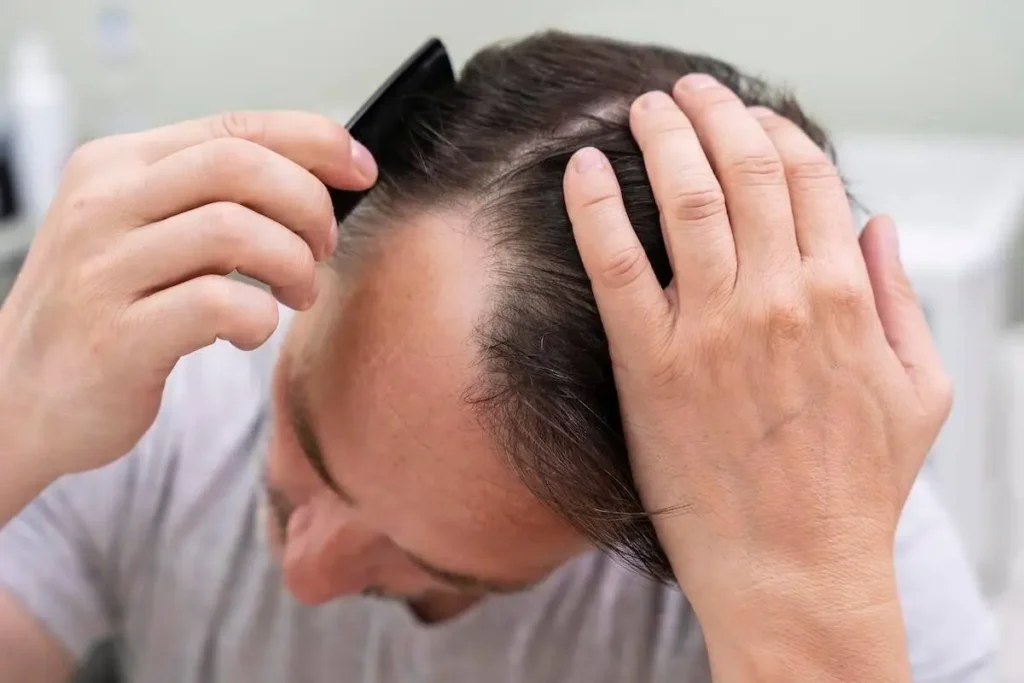
Diagnosing Genetic Hair Fall: Tests and Indicators
Accurate diagnosis distinguishes hereditary loss from other forms of alopecia, such as alopecia areata or traction alopecia. A thorough assessment typically involves a combination of visual examination, medical history, and targeted tests.
Clinical Examination
During the exam, a dermatologist evaluates the pattern of thinning, scalp health, and the presence of miniaturized hairs using a handheld dermatoscope. This non‑invasive tool magnifies the scalp up to 70×, revealing early signs invisible to the naked eye.
Laboratory Tests
Blood work may be ordered to rule out systemic contributors that can mimic genetic loss. Common panels include:
- Thyroid function (TSH, Free T4)
- Ferritin and iron levels
- Hormonal profile (testosterone, estrogen)
- Complete blood count (CBC) to detect anemia
Trichogram and Scalp Biopsy
In ambiguous cases, a trichogram—where a few hairs are examined under a microscope—helps assess the growth phase ratio. A scalp biopsy, though rarely needed, provides definitive histological evidence of follicular miniaturization characteristic of androgenetic alopecia.
Early detection is crucial because many treatments, such as finasteride or low‑level laser therapy, are most effective when initiated before extensive follicular damage occurs.
Treatment Options: From Medication to Hair Transplant
Managing genetic hair fall involves a tiered approach, beginning with the least invasive options and progressing to surgical interventions when necessary. Treatment selection depends on the severity of loss, patient age, gender, and personal preferences.
Topical and Oral Medications
Two FDA‑approved drugs dominate the pharmaceutical landscape:
- Minoxidil (2% or 5% solution or foam) – a vasodilator that prolongs the anagen (growth) phase, suitable for both men and women.
- Finasteride (1 mg daily) – an oral 5‑alpha‑reductase inhibitor that reduces DHT production, primarily prescribed for men.
Clinical trials show that consistent use of minoxidil can increase hair density by up to 30% after 12 months, while finasteride can halt progression in up to 90% of male patients.
Low‑Level Laser Therapy (LLLT)
LLLT devices, such as laser combs or caps, emit red light wavelengths (630–670 nm) that stimulate cellular metabolism within the follicle. Studies suggest modest improvements in hair thickness after 6‑12 weeks of regular use.
Platelet‑Rich Plasma (PRP) Injections
PRP therapy concentrates a patient’s own platelets and injects them into the scalp, delivering growth factors that may revitalize dormant follicles. While evidence is still emerging, many clinics report noticeable thickening after 3‑4 sessions.
Hair Transplant Surgery
For advanced cases, hair transplantation offers a permanent solution. Two primary techniques dominate the field:
- Folliculaire Eenheidsextractie (FUE) – individual follicular units are harvested and implanted, leaving minimal scarring.
- Follicular Unit Transplantation (FUT) – a strip of scalp is removed, dissected, and grafted, allowing higher graft counts in a single session.
Gold City Medical Center employs state‑of‑the‑art FUE technology, ensuring natural‑looking results with a rapid recovery timeline.
Lifestyle and Home Care Strategies to Slow Hair Loss
While medical interventions address the hormonal root of genetic hair fall, everyday habits can either exacerbate or mitigate the condition. Incorporating supportive lifestyle changes amplifies treatment efficacy.
Voeding
Hair is primarily composed of keratin, a protein that requires adequate amino acids, iron, zinc, and biotin for synthesis. A balanced diet rich in:
- Lean meats and legumes (protein)
- Leafy greens (iron and vitamin A)
- Nuts and seeds (zinc and omega‑3 fatty acids)
- Whole grains (B‑vitamins)
helps maintain follicular health. Supplements may be considered under medical supervision, especially for individuals with documented deficiencies.
Stress Management
Chronic stress elevates cortisol levels, which can disrupt the hair growth cycle and accelerate shedding. Techniques such as mindfulness meditation, regular aerobic exercise, and adequate sleep (7‑9 hours) are proven to lower cortisol and support overall well‑being.
Scalp Care
A gentle cleansing routine removes excess sebum and pollutants that can clog follicles. Use a sulfate‑free shampoo, and consider occasional scalp massage to increase local blood flow. Avoid tight hairstyles that cause traction alopecia, a condition that can compound genetic loss.
Below is a quick checklist for daily scalp health:
| Action | Frequency | Benefit |
|---|---|---|
| Gentle shampoo | 2–3 times/week | Reduces follicle blockage |
| Scalp massage | 5 min daily | Improves micro‑circulation |
| Balanced meals | Every meal | Provides essential nutrients |
Adopting these habits creates an environment where medical treatments can work more effectively, slowing the progression of genetic hair fall.
When to Seek Professional Help at Gold City Medical Center
If you notice any of the following signs, it’s time to schedule a consultation:
- Rapid thinning over a few months.
- Visible bald patches or a receding hairline.
- Excessive shedding beyond the normal 50–100 hairs per day.
- Associated symptoms such as scalp itching, redness, or pain.
Gold City Medical Center offers a comprehensive, integrative approach that combines cutting‑edge diagnostics with personalized treatment plans. Our multidisciplinary team includes dermatologists, hair restoration surgeons, and nutrition specialists, ensuring that every aspect of your hair health is addressed.
During your first visit, we perform a detailed scalp analysis, review your medical history, and discuss realistic goals. Based on the findings, we may recommend a combination of minoxidil, finasteride, PRP sessions, or a tailored FUE transplant—all delivered in a comfortable, state‑of‑the‑art facility.
Early intervention not only preserves existing hair but also maximizes the success of surgical options, should they become necessary.
Why Choose Gold City Medical Center
Gold City Medical Center combines advanced medical expertise with a holistic philosophy, delivering results that go beyond appearance. Our team stays at the forefront of hair restoration research, offering proven treatments such as FDA‑approved medications, PRP therapy, and the latest FUE techniques. Patients benefit from personalized care plans, transparent communication, and a welcoming environment designed for comfort and confidence.
Choosing us means accessing a trusted partner dedicated to restoring not only hair but also self‑esteem, using safe, evidence‑based solutions tailored to your unique genetic profile.
Ready to take control of your genetic hair fall? Contact Gold City Medical Center today to schedule a personalized consultation and start your journey toward fuller, healthier hair.
FAQ
What is genetic hair fall and how does it differ from normal shedding?
Genetic hair fall, also called androgenetic alopecia, is a hereditary condition that leads to progressive thinning, unlike normal daily shedding which is temporary.
How does DHT cause hair loss in androgenetic alopecia?
DHT binds to receptors in susceptible hair follicles, shortening the anagen phase and shrinking follicle size, which leads to thinner hair and eventual loss.
What tests are used to diagnose genetic hair fall?
Diagnosis combines a visual scalp exam, dermatoscopy, and blood tests to rule out thyroid, iron deficiency, and hormonal imbalances.
Which medications are most effective for treating genetic hair loss?
Minoxidil and finasteride are the two FDA‑approved drugs that show the best results for most patients.
What are the differences between FUE and FUT hair transplant techniques?
FUE extracts individual follicles with minimal scarring, while FUT removes a strip of scalp to harvest more grafts in a single session.
Can lifestyle changes help slow down genetic hair loss?
Yes, proper nutrition, stress management, and gentle scalp care can support follicular health and enhance treatment outcomes.





