Acne scarring causes can be distressing, but understanding them is the first step toward effective treatment. Many people wonder why some breakouts leave permanent marks while others heal without a trace. In this article we explore the biological and environmental factors that lead to acne scars, the different scar types, and the most reliable prevention and treatment strategies available today.
Every year, millions of individuals worldwide experience acne, and a significant portion develop lingering marks that affect confidence and skin health. Studies suggest that up to 30% of those with moderate to severe acne will develop noticeable scarring if proper care is not taken. Recognizing the root causes early can dramatically reduce the risk of permanent pockmarks and atrophic scars.
We will dive into the mechanisms behind inflammation, the role of picking or squeezing, hormonal influences, and genetic predisposition. By the end of this guide, you will have a clear roadmap for protecting your skin, choosing the right interventions, and knowing when professional care is essential.
What Triggers Acne Scarring?
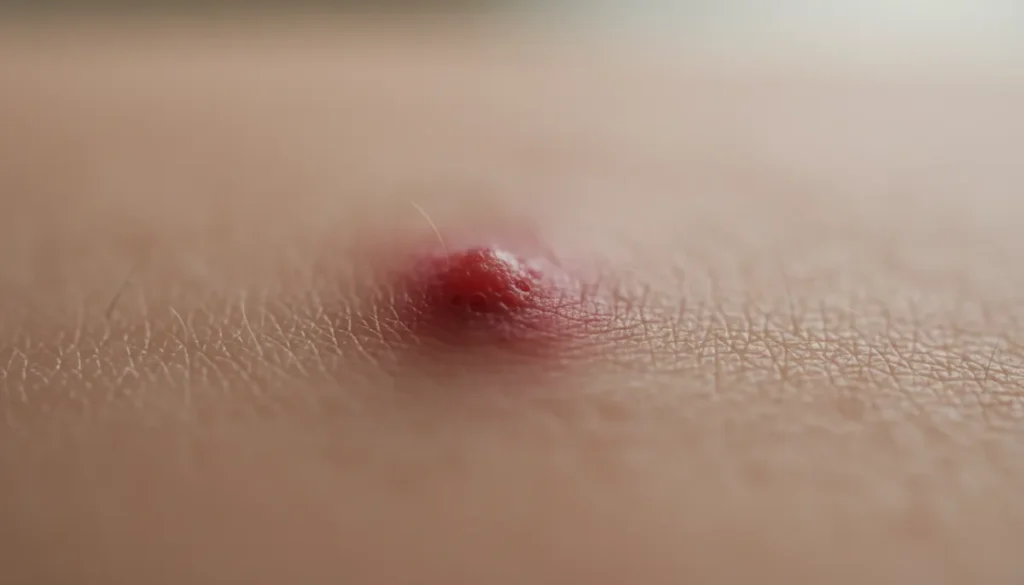
Several key factors set the stage for acne scarring causes. Understanding these triggers helps you adopt preventive habits and seek timely treatment.
Inflammation intensity is the most direct driver. When a pore becomes clogged and bacteria multiply, the body launches an immune response that can damage surrounding tissue. The deeper the inflammation, the greater the chance of a permanent scar.
Primary Triggers
- Severe or cystic acne lesions that rupture beneath the skin.
- Frequent picking, squeezing, or scratching of pimples.
- Hormonal fluctuations that increase oil production (e.g., puberty, menstrual cycle, stress).
- Genetic predisposition to strong inflammatory responses.
- Delayed or inadequate treatment of active breakouts.
Other contributors include smoking, which impairs skin healing, and certain medications that can exacerbate acne. While diet alone does not cause scarring, high glycemic foods and dairy may increase inflammatory episodes, indirectly raising the risk of marks.
Types of Acne Scars and Their Characteristics
Not all acne scars look the same. Recognizing the specific type you have guides the most effective acne scar treatment plan.
| Scar Type | Uiterlijk | Typical Treatment |
|---|---|---|
| Ice Pick | Deep, narrow pits resembling punctures. | Laser resurfacing, punch excision, chemical peels. |
| Boxcar | Broad depressions with sharp edges. | Subcision, microneedling, dermal fillers. |
| Rolling | Wave‑like undulations caused by tethered tissue. | Radiofrequency, subcision, laser therapy. |
| Hypertrophic/Keloid | Raised, thickened tissue that may extend beyond the original lesion. | Steroid injections, silicone sheets, laser removal. |
Atrophic scars, which include ice pick, boxcar, and rolling varieties, are the most common result of acne scarring causes. Hypertrophic and keloid scars, though less frequent, can be more challenging to treat due to their raised nature.
How Lifestyle and Skin Care Influence Scarring
Daily habits play a pivotal role in either mitigating or aggravating the effects of acne scarring causes. Small adjustments to your routine can have a big impact on healing.
Key Lifestyle Factors
- Sun protection: UV exposure darkens scars and slows recovery; use broad‑spectrum SPF 30+ daily.
- Gentle cleansing: Avoid harsh scrubs that can irritate lesions; opt for non‑comedogenic, pH‑balanced cleansers.
- Stress management: Elevated cortisol can trigger hormonal acne flare‑ups.
- Voeding: A balanced diet rich in antioxidants supports skin repair.
- Avoid picking: Hands introduce bacteria and increase inflammation.
Consistent use of non‑irritating moisturizers helps maintain the skin barrier, while regular exfoliation (once or twice a week) can promote cell turnover without over‑exfoliating. Hydration, both topical and internal, also influences scar remodeling.
Medical and Cosmetic Options to Prevent Further Scarring
When preventive measures aren’t enough, professional interventions can significantly improve existing marks and reduce the likelihood of new scars forming.
Topical and Minimally Invasive Treatments
- Retinoids: Boost collagen production and accelerate skin turnover.
- Silicone gels: Provide a protective barrier that flattens raised scars.
- Corticosteroid injections: Shrink hypertrophic or keloid tissue.
- Microneedling: Stimulates collagen remodeling and improves texture.
Laser and Energy‑Based Therapies
- Fractional CO₂ laser: Removes damaged layers and promotes new tissue growth.
- Erbium laser: Offers precise resurfacing with less downtime.
- Laser pimple scar removal: Targets deep pits and red marks.
- Radiofrequente (RF) therapie: Tightens skin and reduces rolling scars.
Choosing the right approach depends on scar type, skin tone, and personal preferences. A qualified dermatologist can combine modalities for optimal results, often beginning with less invasive options before progressing to laser resurfacing or surgical techniques.
When to Seek Professional Help for Acne Scarring
While many minor marks fade over time, certain signs indicate that medical attention is advisable.
- Scars that remain raised or indented after six months of consistent home care.
- Rapidly changing scar appearance, such as sudden darkening or swelling.
- Painful or itchy scar tissue, which may suggest inflammation.
- Psychological distress affecting daily life or self‑esteem.
Early consultation with a specialist allows for a personalized treatment plan that can prevent worsening and accelerate healing. At Gold City Medical Center, our experienced clinicians assess scar depth, texture, and overall skin health to recommend evidence‑based interventions.
Why Choose Gold City Medical Center
Gold City Medical Center combines integrative medicine with cutting‑edge aesthetic technology to address acne scarring from every angle. Our team of board‑certified dermatologists and aesthetic specialists tailors treatment plans that blend medical expertise with cosmetic precision, ensuring both safety and optimal results. Whether you need laser resurfacing, microneedling, or a comprehensive skin‑care program, we provide a supportive environment focused on lasting skin health.
Ready to restore smooth, confident skin? Contact Gold City Medical Center today to schedule a personalized consultation and discover the most effective solutions for your acne scarring concerns.
FAQ
What causes acne scarring?
Acne scarring is caused by intense inflammation, deep lesions, picking or squeezing, hormonal fluctuations, and genetic predisposition.
How can I prevent acne scars from forming?
Prevent acne scarring by avoiding picking, using gentle skin care, protecting from sun, and seeking early treatment for severe lesions.
What are the different types of acne scars?
Acne scars are classified as ice pick, boxcar, rolling, and hypertrophic/keloid, each with distinct appearances and treatment needs.
Which treatments are most effective for each acne scar type?
Laser resurfacing and punch excision work best for ice pick scars; subcision, microneedling, and fillers suit boxcar and rolling scars; steroids and silicone help hypertrophic/keloid scars.
When should I see a dermatologist for acne scarring?
Seek professional help if scars remain raised or indented after six months of home care, change rapidly, cause pain, or affect self‑esteem.
Can lifestyle factors like diet and stress affect acne scarring?
Yes, high‑glycemic foods, dairy, smoking, and chronic stress can increase inflammation and worsen acne scarring risk.
What role does sun protection play in scar healing?
Sun protection prevents hyperpigmentation of scars and promotes faster healing by shielding damaged skin from UV‑induced inflammation.





