When you wonder what type of doctor deals with hair loss, the answer depends on the underlying cause, the pattern of thinning, and your personal health profile. Hair loss affects up to 30% of the global population at some point in their lives, making it one of the most common cosmetic concerns today. Understanding which specialist to consult can accelerate diagnosis, tailor a treatment plan, and ultimately improve outcomes. In this article we explore the various medical professionals equipped to manage hair loss, the conditions they treat, and how to determine the best fit for your needs.
We will cover the primary causes of hair loss, the distinct roles of dermatologists, trichologists, endocrinologists, and other experts, and provide practical guidance on navigating the treatment landscape. Whether you are dealing with male pattern baldness, female thinning, or alopecia areata, knowing the right doctor to see is the first step toward regaining confidence and healthy hair.
By the end of this guide, you will be equipped with the knowledge to ask the right questions, understand the treatment options available, and confidently schedule an appointment with a qualified professional.
Understanding Hair Loss: Causes and Types
Hair loss is not a one‑size‑fits‑all condition. It can stem from genetic factors, hormonal changes, autoimmune disorders, nutritional deficiencies, or medication side effects. Recognizing the type of hair loss you are experiencing is essential for selecting the appropriate specialist.
Common categories of hair loss include:
- Androgenetic alopecia – often called male or female pattern baldness.
- Alopecia areata – an autoimmune condition that causes sudden patchy hair loss.
- Telogen effluvium – temporary shedding triggered by stress, illness, or hormonal shifts.
- Scarring alopecia – permanent loss due to inflammation or injury.
Below is a concise comparison of the main types, their typical triggers, and the doctors most likely to treat them.
| Hair Loss Type | Typical Triggers | Recommended Specialist |
|---|---|---|
| Androgenetic Alopecia | Genetics, DHT hormone | Dermatologist or Trichologist |
| Alopecia Areata | Auto-immuunrespons | Dermatologist |
| Telogeen Effluvium | Stress, illness, pregnancy | Endocrinologist or Primary Care |
| Scarring Alopecia | Inflammation, infections | Dermatologist (often with a surgeon) |
Identifying the pattern of loss helps you target the right expertise, whether it is a cosmetic approach, medical therapy, or surgical intervention such as a hair transplant.
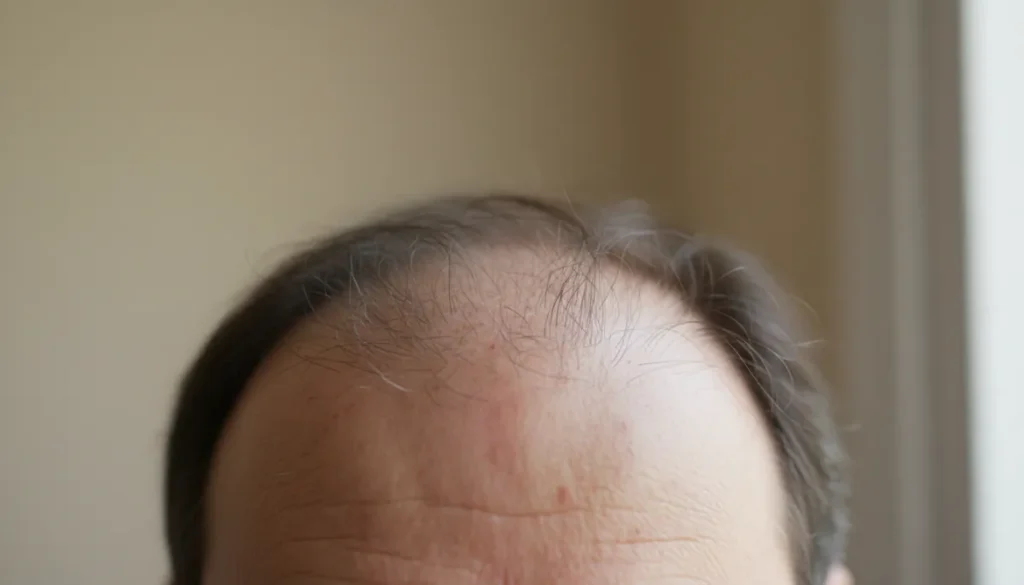
The Role of Dermatologists in Hair Restoration
Dermatologists are medical doctors specialized in skin, hair, and nail health. They are often the first point of contact for patients experiencing haaruitval because they can diagnose underlying conditions, prescribe medications, and evaluate suitability for procedures like hair transplants.
Key services offered by dermatologists include:
- Medical evaluation and scalp examination.
- Prescription of FDA‑approved treatments such as finasteride, minoxidil, and corticosteroid injections.
- Assessment for surgical options, including follicular unit extraction (FUE) hair transplant.
- Management of scalp disorders that can exacerbate hair loss, such as psoriasis or seborrheic dermatitis.
When a patient presents with rapid shedding or patchy baldness, a dermatologist may order laboratory tests to rule out thyroid dysfunction, iron deficiency, or hormonal imbalances. This comprehensive approach ensures that any systemic issues are addressed alongside local scalp therapy.
For individuals seeking a non‑surgical route, dermatologists can recommend proven hair growth products and supplements, and monitor progress over time. They also stay current with emerging therapies such as platelet‑rich plasma (PRP) and low‑level laser therapy, which have shown promise in stimulating follicular activity.
Choosing a dermatologist with experience in hair restoration can significantly improve the likelihood of successful outcomes, especially when combined with a personalized treatment plan.
Trichologists: Specialized Hair‑Growth Experts
Trichology is a branch of science dedicated exclusively to the study of hair and scalp health. While trichologists are not medical doctors, many have extensive training in hair biology and work closely with dermatologists to provide a holistic approach to hair restoration.
Typical services provided by a trichologist include:
- Scalp analysis using digital microscopy to identify follicle density.
- Customized hair‑care regimens, including shampoos, serums, and nutritional advice.
- Guidance on lifestyle factors that influence hair growth, such as stress management and diet.
- Referral to a medical specialist when clinical signs suggest a deeper health issue.
Because trichologists focus on the mechanical and environmental aspects of hair health, they are especially valuable for patients whose primary concern is hair thinning rather than an underlying disease. They often recommend topical solutions, such as hair growth supplements tailored to individual deficiencies, and can monitor the effectiveness of treatments like low‑level laser devices.
When paired with a dermatologist, a trichologist can help fine‑tune a comprehensive plan that maximizes hair regrowth while minimizing side effects. For many clients, the collaborative model offers the best balance of scientific rigor and personalized care.
When to Consult an Endocrinologist or Other Specialists
Hair loss can sometimes be a symptom of systemic hormonal imbalances. Endocrinologists specialize in glands and hormones, making them the appropriate doctors to see when hair loss is linked to conditions such as thyroid disease, polycystic ovary syndrome (PCOS), or adrenal disorders.
Key indicators that an endocrinology referral may be needed include:
- Unexplained diffuse thinning despite normal scalp health.
- Accompanying symptoms like fatigue, weight changes, or menstrual irregularities.
- Laboratory results showing abnormal thyroid hormone levels or elevated androgen levels.
Endocrinologists can order comprehensive blood panels, adjust hormone‑modulating medications, and coordinate care with dermatologists to address both the root cause and the visible hair loss. In cases of severe hormonal disruption, treating the underlying condition often leads to spontaneous hair regrowth, reducing the need for invasive procedures.
Other specialists who may become involved include:
- Rheumatologists for autoimmune-related alopecia.
- Nutritionists for deficiencies that affect hair growth, such as iron or vitamin D.
- Plastic surgeons for advanced hair transplant techniques.
Understanding when to broaden the medical team ensures a comprehensive approach, especially for complex cases where multiple factors contribute to hair loss.
Choosing the Right Treatment Path with a Qualified Doctor
Selecting the appropriate doctor begins with a clear understanding of your specific hair loss pattern and health background. Below is a step‑by‑step guide to help you navigate the decision‑making process.
- Self‑Assessment: Document the duration, extent, and any accompanying symptoms of hair loss.
- Initial Consultation: Schedule a visit with a dermatologist for a medical evaluation and possible scalp biopsy.
- Specialist Referral: If hormonal issues are suspected, your dermatologist may refer you to an endocrinologist.
- Complementary Care: Consider adding a trichologist for personalized scalp care and lifestyle advice.
- Treatment Planning: Discuss options ranging from topical minoxidil, oral finasteride, PRP therapy, to surgical hair transplant.
- Follow‑Up: Regular monitoring ensures the chosen therapy is effective and adjusted as needed.
When evaluating potential doctors, look for credentials such as board certification in dermatology, experience with hair transplant procedures, and a track record of successful outcomes. Patient reviews, before‑and‑after portfolios, and transparent discussion of risks can also guide your choice.
Ultimately, the best doctor for hair loss is one who combines medical expertise with a compassionate approach, tailoring treatment to your unique situation.
Why Choose Gold City Medical Center
Gold City Medical Center offers an integrative approach that unites dermatology, trichology, and advanced hair‑restoration techniques under one roof. Our team of board‑certified specialists collaborates to deliver personalized treatment plans, from proven medications to state‑of‑the‑art hair transplant procedures. With a focus on patient comfort, evidence‑based care, and lasting results, we ensure each client receives the highest standard of medical and cosmetic expertise.
Ready to regain confidence in your hair? Contact Gold City Medical Center today to schedule a comprehensive consultation. Our experts will assess your situation and design a customized plan to restore your hair and your self‑esteem.
FAQ
What type of doctor should I see for hair loss?
The appropriate doctor depends on the cause of your hair loss; dermatologists are usually first, but trichologists, endocrinologists, or other specialists may be needed.
How does a dermatologist treat hair loss?
Dermatologists diagnose the underlying cause, prescribe FDA‑approved medications, and may recommend procedures like PRP or hair transplant.
What is the difference between a dermatologist and a trichologist?
Dermatologists are medical doctors who can prescribe medication and perform surgery; trichologists are non‑medical specialists focused on scalp health and hair‑care regimens.
When is it necessary to see an endocrinologist for hair loss?
If hair loss is accompanied by hormonal symptoms or abnormal lab results, an endocrinologist should be consulted.
Wat zijn de meest voorkomende oorzaken van haaruitval?
Genetics, hormones, autoimmune disease, stress, nutritional deficiencies, and certain medications are the main causes.
What treatment options are available for androgenetic alopecia?
Options include topical minoxidil, oral finasteride, low‑level laser therapy, PRP injections, and hair transplant surgery.





