If you’re looking to get rid of dark marks, you are not alone. Many people struggle with uneven skin tone caused by hyperpigmentation, liver spots, or age spots, and they seek reliable solutions that deliver visible results.
Dark marks can appear on the face, arms, or other exposed areas, often resulting from sun exposure, hormonal changes, or post‑inflammatory hyperpigmentation after acne. According to dermatological studies, up to 30% of adults notice some form of skin discoloration by age 40, making it a common aesthetic concern.
This article outlines the underlying causes of dark spots, reviews both professional and at‑home treatment options, and offers practical lifestyle tips to prevent new marks from forming. Whether you prefer clinical procedures or natural remedies, understanding the science behind pigmentation will empower you to choose the most suitable approach for your skin type.
Read on to discover how to get rid of dark marks with evidence‑based methods and personalized care.
Understanding Dark Marks: Causes and Types
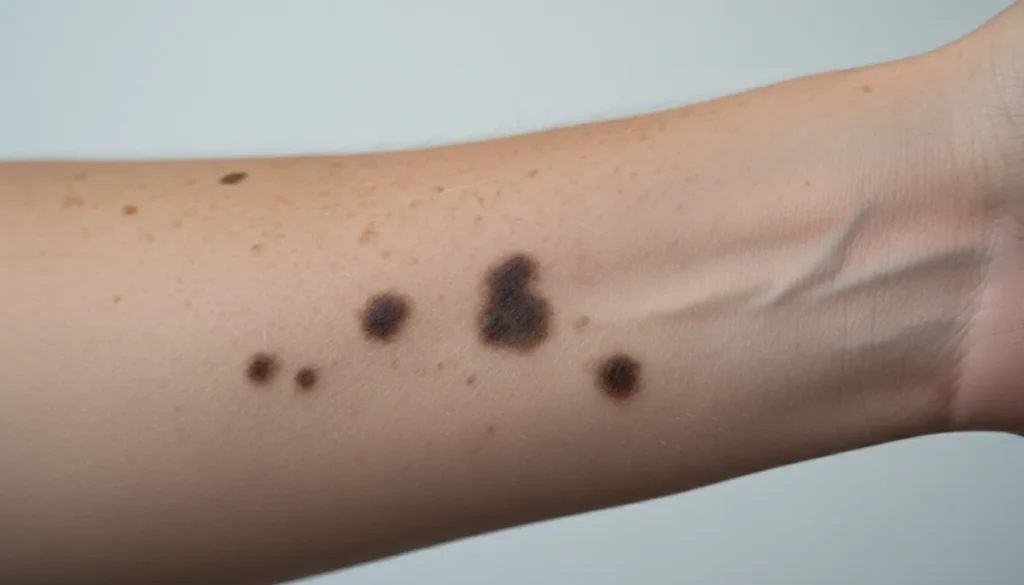
Dark marks, medically known as hyperpigmentation, arise when melanin production increases in localized skin areas. The most common types include:
- Sun spots (also called liver spots or age spots) – typically appear on sun‑exposed areas such as the face, hands, and shoulders.
- Post‑inflammatory hyperpigmentation – follows skin injuries like acne, cuts, or burns.
- Melasma – hormone‑related discoloration that often affects women during pregnancy or while using oral contraceptives.
- Freckle‑like spots – genetic predisposition causing small, flat brown patches.
Factors that exacerbate pigmentation include UV radiation, certain medications, and inflammatory skin conditions. Understanding these triggers helps you target the root cause, rather than merely treating the symptom.
In addition to visible spots, many individuals experience a generalized skin discoloration that may affect confidence. Early intervention, especially before marks become entrenched, yields better outcomes and reduces the need for aggressive procedures later on.
Professional Treatments Offered at Gold City Medical Center
At Gold City Medical Center, our integrative approach combines medical expertise with cosmetic precision to help you get rid of dark marks efficiently. We tailor each treatment plan to your skin type, the depth of pigmentation, and your personal goals.
Our core services include:
| Behandeling | How It Works | Typical Sessions | Recovery Time |
|---|---|---|---|
| Laser Therapy (Q‑Switched Nd:YAG) | Targets melanin with focused light, breaking down pigment particles. | 1‑4 sessions, spaced 4‑6 weeks apart. | Minimal; mild redness for 1‑2 days. |
| Chemical Peels (TCA or glycolic acid) | Exfoliates the top skin layers, encouraging new, evenly pigmented skin growth. | 2‑6 sessions, depending on severity. | 2‑5 days of peeling and flaking. |
| Topical Prescription (Hydroquinone, Tretinoin) | Inhibits melanin synthesis and accelerates turnover. | Continuous use for 8‑12 weeks. | No downtime; possible mild irritation. |
| Microneedling with PRP | Creates micro‑channels to deliver growth factors, improving skin texture and lightening spots. | 3‑5 sessions, 4‑6 weeks apart. | 1‑2 days of redness. |
Each option is selected based on the depth of the dark marks and the patient’s tolerance for downtime. For example, laser therapy is ideal for deeper, stubborn spots, while topical agents work well for superficial discoloration.
Our specialists also conduct a thorough skin analysis, ensuring you receive the most effective regimen to get rid of dark marks without compromising skin health.
At‑Home Strategies for Fading Dark Spots
While professional interventions deliver rapid results, many patients prefer to complement them with daily home care. Consistent use of the right products can accelerate the fading process and maintain results after clinic visits.
Key ingredients to look for include:
- Vitamine C – an antioxidant that brightens skin and inhibits melanin production.
- Niacinamide – reduces pigment transfer and improves barrier function.
- Alpha Arbutin – a gentle melanin‑blocking agent suitable for sensitive skin.
- Retinoids – promote cell turnover, revealing fresher skin underneath.
Applying these actives correctly is essential. Use a gentle cleanser, apply serum in the morning, and follow with a broad‑spectrum sunscreen (SPF 30 or higher) to protect against further UV‑induced pigmentation. Remember, sunscreen is the single most important step; without it, even the strongest treatments can be undone.
For those seeking natural remedies, ingredients like licorice extract, mulberry, and green tea have shown modest lightening effects in clinical studies. While they are less potent than prescription products, they can be incorporated into a holistic routine to get rid of dark marks gradually.
Lifestyle and Skincare Habits to Prevent New Marks
Preventing the formation of new dark marks is as crucial as treating existing ones. Several everyday habits can reduce the risk of hyperpigmentation:
- Consistent sunscreen application – reapply every two hours when outdoors.
- Avoiding peak sun hours (10 am–4 pm) or seeking shade.
- Using antioxidant‑rich skincare to counteract free‑radical damage.
- Managing hormonal fluctuations with medical advice when necessary.
- Gentle exfoliation to prevent clogged pores that can lead to post‑inflammatory spots.
Nutrition also plays a role. Foods rich in vitamin E, omega‑3 fatty acids, and polyphenols support skin health and may reduce pigment irregularities. Hydration helps maintain cellular turnover, ensuring that pigmented cells are shed regularly.
Adopting these preventive measures creates a supportive environment for any clinical or at‑home treatment you undertake, helping you get rid of dark marks and keep your complexion radiant.
Choosing the Right Treatment Plan for Your Skin
Every individual’s skin responds differently, so selecting the optimal plan involves assessing several factors:
- Depth of pigmentation – superficial spots respond well to topical agents, while deeper lesions may need laser or peel procedures.
- Skin type – darker skin tones are more prone to post‑inflammatory hyperpigmentation; gentle methods are preferred.
- Downtime tolerance – if you cannot afford a few days off, choose low‑downtime options like prescription creams.
- Budget considerations – advanced laser treatments are costlier but may reduce the number of sessions required.
During your initial consultation, our specialists will conduct a comprehensive skin analysis, discuss your goals, and outline a step‑by‑step roadmap. Combining in‑office procedures with a disciplined home regimen often yields the fastest, most sustainable results, allowing you to get rid of dark marks with confidence.
Why Choose Gold City Medical Center
Gold City Medical Center blends cutting‑edge medical technology with a holistic approach to aesthetic care. Our team of certified dermatologists and cosmetic specialists designs individualized protocols that address the root cause of hyperpigmentation while preserving skin health. With a reputation for safety, efficacy, and patient satisfaction, we provide a trusted environment for those seeking lasting solutions to dark marks.
Ready to transform your skin? Contact Gold City Medical Center today to schedule a personalized consultation and start your journey toward a clearer, more radiant complexion.
FAQ
What causes dark marks and how are they classified?
Dark marks, or hyperpigmentation, result from increased melanin production due to sun exposure, hormonal changes, or skin injury, and are classified into sun spots, post‑inflammatory hyperpigmentation, melasma, and freckle‑like spots.
Which professional treatments are most effective for removing dark spots?
Laser therapy, chemical peels, topical prescription agents, and microneedling with PRP are the main professional options, each suited to different depths and skin types.
Can at‑home products like vitamin C and niacinamide really fade dark marks?
Yes, when used consistently, vitamin C, niacinamide, alpha arbutin, and retinoids can significantly lighten hyperpigmentation over weeks to months.
How important is sunscreen in preventing new hyperpigmentation?
Sunscreen is the single most crucial preventive measure; without it, even the strongest treatments can be undone.
How do I choose the right treatment plan for my skin type and budget?
Assess pigment depth, skin tone, downtime tolerance, and cost; then combine in‑office procedures with a tailored home regimen.
Are there natural remedies that help lighten dark spots?
Natural extracts like licorice, mulberry, and green tea have modest lightening effects and can complement clinical treatments.
What is the recovery time after laser therapy for hyperpigmentation?
Recovery is minimal; most patients experience mild redness for 1‑2 days, with full results visible after several sessions.





