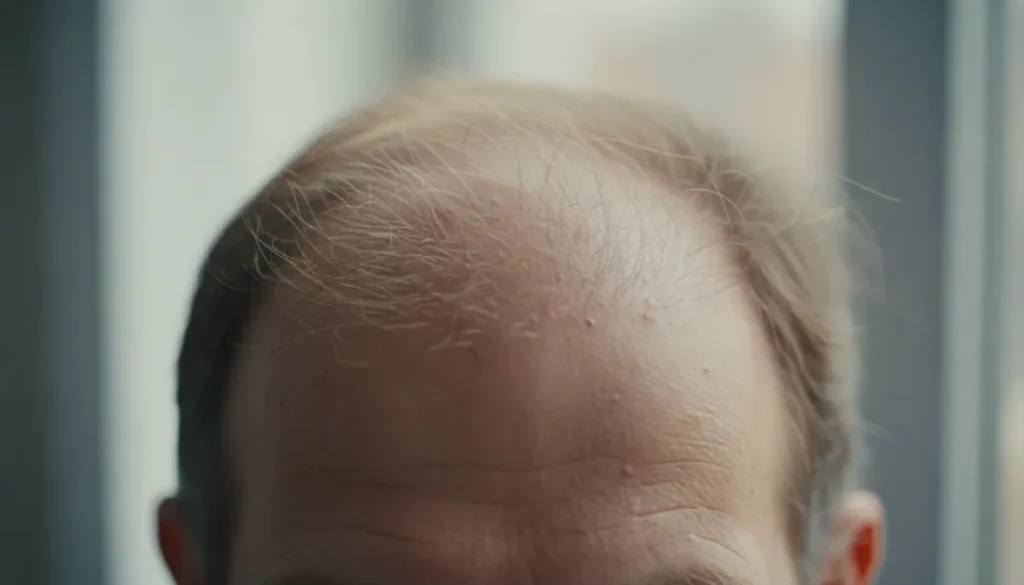
Facing chemotherapy can be daunting, and many patients wonder how to prevent hair loss during chemotherapy. Understanding the mechanisms behind chemo‑induced alopecia helps you take proactive steps to protect your scalp. In this article we explore the science, effective cooling technologies, natural lifestyle approaches, and what to expect once treatment ends. Approximately 65% of patients experience some degree of hair loss, making it one of the most visible side effects of cancer therapy. By learning practical strategies, you can maintain confidence and reduce the emotional impact of treatment.
We’ll cover the biology of hair follicle damage, the role of cold cap therapy, dietary and scalp‑care tips, and realistic timelines for hair regrowth after chemo. Whether you’re preparing for your first cycle or seeking ways to support recovery, these evidence‑based recommendations aim to empower you throughout your journey.
Let’s dive into the options available today and how Gold City Medical Center can guide you toward the best personalized plan.
Understanding Chemotherapy‑Induced Hair Loss
Chemotherapy targets rapidly dividing cells, which unfortunately includes hair‑producing follicles. The result is chemo hair loss, often beginning within weeks of the first infusion. Factors influencing the severity include the type of drug, dosage, treatment schedule, and individual genetics. Common agents such as cyclophosphamide, doxorubicin, and taxanes are known to cause pronounced alopecia. While the exact pathway varies, most drugs disrupt the anagen (growth) phase, forcing follicles into a resting telogen state.
Key contributors to hair loss during chemotherapy:
- High‑dose regimens or combination therapies
- Radiation to the head or neck area
- Pre‑existing scalp conditions (e.g., psoriasis)
- Hormonal fluctuations caused by certain chemotherapy drugs
Understanding why chemotherapy causes hair loss helps you anticipate the timeline and choose protective measures. Although you cannot eliminate the effect entirely, several interventions can significantly reduce follicle damage.
Cold Cap Technology: Cooling Your Scalp During Treatment
One of the most researched methods for preventing hair loss during chemotherapy is scalp cooling, commonly referred to as a cold cap. The principle is simple: lower scalp temperature reduces blood flow, limiting the amount of chemotherapy agents that reach hair follicles. Devices such as the Penguin Cold Cap and other cold caps for chemo have shown success rates ranging from 40% to 70% in preserving hair.
Benefits of cold cap therapy include:
- Reduced chemotherapy drug exposure to the scalp
- Higher likelihood of retaining scalp hair throughout treatment
- Improved psychological well‑being and body image
- Non‑invasive, with minimal side effects when properly monitored
Below is a comparison of outcomes with and without a cold cap:
| Metric | With Cold Cap | Without Cold Cap |
|---|---|---|
| Hair Retention Rate | 55–70% | 10–30% |
| Patient Satisfaction | High | Moderate |
| Adverse Scalp Reactions | Rare, mild discomfort | None related to cooling |
Cold cap therapy is typically administered before, during, and after each chemotherapy infusion. Proper fitting and temperature monitoring are essential to maximize effectiveness and ensure patient comfort.
Natural Strategies to Reduce Hair Loss
While medical devices offer measurable protection, lifestyle choices can also play a supportive role. Incorporating gentle scalp care, balanced nutrition, and stress‑reduction techniques may enhance the body’s resilience against chemotherapy‑related hair loss.
Effective natural approaches include:
- Scalp massage with mild essential oils (e.g., rosemary) to promote circulation
- Consuming protein‑rich foods such as lean meats, legumes, and nuts to support follicle health
- Supplementing with biotin, zinc, and omega‑3 fatty acids after consulting your oncologist
- Avoiding harsh hair treatments (bleaching, straightening) during active chemotherapy
- Practicing mindfulness or yoga to reduce stress‑induced telogen effluvium
Research on natural ways to prevent hair loss during chemotherapy suggests that these measures alone may not replace medical interventions, but they can improve overall scalp condition and aid recovery once treatment concludes.
Post‑Treatment Hair Regrowth: What to Expect
After chemotherapy ends, most patients experience a phase of hair regrowth. The timeline varies, but most see new hair shafts appear within 3–6 months. Early regrowth may be fine, thin, or lighter in color, gradually thickening over the next year.
Typical hair regrowth milestones:
| Time After Treatment | Hair Appearance | Notes |
|---|---|---|
| 1–2 months | Fine, vellus‑like hair | Often pale or gray |
| 3–6 months | Thicker, pigmented strands | Gradual increase in density |
| 6–12 months | Near‑normal texture | Potential for full regrowth |
Factors influencing regrowth include the specific chemotherapy agents used, age, and overall health. For those who used a cold cap, hair may retain its original color and texture more often than in patients without scalp cooling.
Maintaining a healthy scalp environment—through gentle cleansing, moisturization, and protection from UV exposure—can further support robust regrowth.
Preparing for Your Chemotherapy Sessions
Effective preparation can lessen the impact of treatment on your hair. Prior to each infusion, consider the following steps:
- Discuss scalp cooling options with your oncology team; ask about availability of cold caps or cool caps for chemo.
- Schedule a gentle scalp assessment to rule out infections or irritations.
- Choose loose, breathable headwear (e.g., satin scarves) to minimize friction.
- Plan a hair‑care routine that avoids heat styling and harsh chemicals.
- Keep a journal of any scalp sensations during cooling to adjust temperature settings promptly.
By integrating these measures, you set the stage for a smoother treatment experience and increase the likelihood of retaining hair throughout the chemotherapy course.
Why Choose Gold City Medical Center
Gold City Medical Center offers a comprehensive, integrative approach to cancer‑related hair preservation. Our team combines oncological expertise with cutting‑edge scalp‑cooling technology and personalized wellness counseling. By focusing on both medical and aesthetic outcomes, we help patients maintain confidence and comfort throughout their treatment journey.
Choosing us means access to experienced specialists, state‑of‑the‑art cold cap systems, and supportive care that addresses the physical and emotional aspects of hair loss.
Ready to protect your hair while undergoing chemotherapy? Contact Gold City Medical Center today to schedule a consultation and explore our cold cap options.
Take the first step toward preserving your confidence—call now or visit our clinic for a personalized assessment.
FAQ
How does scalp cooling prevent hair loss during chemotherapy?
Scalp cooling lowers the temperature of the scalp, reducing blood flow and limiting the amount of chemotherapy drugs that reach hair follicles.
What are the success rates of cold cap therapy?
Success rates for cold cap therapy range from about 40% to 70% hair retention, depending on the chemotherapy regimen and proper usage.
What natural methods can help reduce hair loss during chemotherapy?
Gentle scalp massage, protein‑rich nutrition, biotin or zinc supplements, avoiding harsh hair treatments, and stress‑reduction practices can support hair health.
When can I expect hair to grow back after chemotherapy?
Hair typically begins to regrow as fine, vellus‑like strands within 1–2 months, with thicker, pigmented hair appearing by 3–6 months and near‑normal texture by 6–12 months.
How should I prepare for chemotherapy to protect my hair?
Discuss scalp cooling options with your oncologist, schedule a scalp assessment, choose loose headwear, avoid heat styling, and keep a journal of scalp sensations during treatment.
Are there any side effects of using a cold cap?
Cold caps are generally well‑tolerated, with mild discomfort, temporary scalp numbness, or rare skin irritation being the most common side effects.





