If you’re wondering why your skin feels tight, flaky, or itchy, a dermatologist dry skin specialist can provide the answers you need. Dry skin, medically known as xerosis, affects up to 30% of adults and can lead to discomfort, visible scaling, and even infection if left untreated. Understanding the underlying causes and knowing when professional care is required are essential steps toward restoring a healthy skin barrier.
In this article we’ll explore the most common triggers of dry skin, the signs that indicate a visit to a dermatologist is warranted, and the range of treatments—from prescription‑strength creams to evidence‑based home‑care routines. You’ll also discover how to select the best moisturizer for dry skin, what ingredients to look for, and why a personalized approach from a qualified dermatologist can make all the difference.
Whether you’re dealing with mild xerosis on your hands or severe, patchy dryness on your face, the guidance here will help you manage symptoms effectively and prevent future flare‑ups.
Causes of Dry Skin
Dry skin can result from a variety of internal and external factors. Recognizing the root cause is the first step in crafting an effective treatment plan.
Omgevingstriggers
- Low humidity and cold weather
- Excessive heat from indoor heating
- Wind exposure
Medische aandoeningen
- Hypothyroidism
- Diabetes
- Atopic dermatitis (eczema)
- Psoriasis
Lifestyle and Habits
- Frequent hot showers or baths
- Harsh soaps and detergents
- Insufficient water intake
- Use of alcohol‑based hand sanitizers
Understanding whether your dryness stems from environmental, medical, or lifestyle sources helps your dermatologist tailor the most appropriate therapy.
When to Seek a Dermatologist
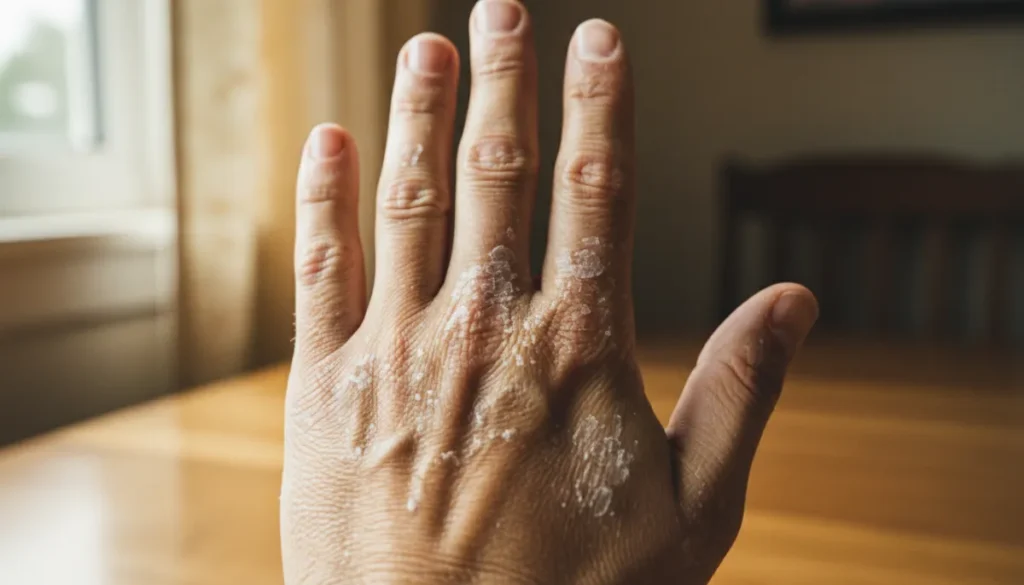
Not all dry skin requires a specialist, but certain signs indicate that a dermatologist dry skin consultation is essential.
Red Flags Requiring Professional Attention
- Persistent itching or burning that does not improve with over‑the‑counter moisturizers.
- Visible cracks, fissures, or bleeding skin.
- Dryness accompanied by redness, swelling, or rash.
- Sudden onset of severe dryness on the face, feet, or hands.
- Dry skin that interferes with daily activities or sleep.
When any of these symptoms appear, a dermatologist can perform a thorough skin assessment, rule out underlying conditions such as eczema or psoriasis, and prescribe targeted treatments.
Early intervention not only relieves discomfort but also reduces the risk of secondary infections and long‑term skin barrier damage.
Treatment Options Recommended by Dermatologists
Dermatologists employ a range of therapies to address dry skin, from topical agents to lifestyle modifications. The goal is to restore the skin’s natural moisture barrier and alleviate symptoms.
Prescription‑Strength Moisturizers
These contain higher concentrations of occlusive and humectant ingredients, such as ceramides, urea, and hyaluronic acid, which help lock in moisture.
| Product Type | Key Ingredients | Typical Use |
|---|---|---|
| Ceramide‑Based Cream | Ceramides, cholesterol, fatty acids | Severe xerosis, especially on face and neck |
| Urea Lotion | Urea (10‑20%), glycerin | Very dry, rough patches on hands and feet |
| Hyaluronic Acid Gel | Hyaluronic acid (1‑2%), panthenol | Fine lines and dryness on mature skin |
Topical Steroids and Anti‑Inflammatories
When dry skin is accompanied by inflammation, a low‑potency corticosteroid may be prescribed for short‑term use to reduce redness and itching.
Barrier‑Repair Regimens
In addition to moisturizers, dermatologists often recommend gentle cleansers that do not strip natural oils, and advise patients to limit hot water exposure.
Choosing the best moisturizer for dry skin often involves trial and error, but a dermatologist can guide you toward products that match your skin type and condition.
Home Care and Moisturizing Strategies
Even with professional guidance, daily habits play a crucial role in managing dry skin. Below are practical steps you can adopt at home.
Choosing the Right Moisturizer
- Look for ingredients like ceramides, glycerin, and niacinamide.
- Avoid fragrances and alcohol that can aggravate dryness.
- Apply moisturizer within three minutes of bathing to seal in moisture.
Effective Application Techniques
Use gentle, upward strokes to spread the product evenly. For very dry areas, layer a thicker ointment over a lighter lotion for enhanced barrier protection.
Additional Supportive Measures
- Use a humidifier indoors during winter months.
- Drink at least eight glasses of water daily.
- Wear soft, breathable fabrics like cotton to reduce irritation.
By integrating these dry skin moisturizing practices, you can maintain smoother, more supple skin and reduce the frequency of flare‑ups.
Common Myths About Dry Skin
Misconceptions can hinder effective treatment. Here we debunk several popular myths.
Myth 1: “Dry skin only affects older adults.”
While mature skin tends to lose moisture more quickly, xerosis can affect people of any age, especially those with underlying medical conditions.
Myth 2: “If a product feels oily, it’s the best for dry skin.”
Heavy oils may provide temporary relief but can clog pores and cause irritation. A balanced formulation with both humectants and occlusives is more beneficial.
Myth 3: “You don’t need sunscreen if your skin is dry.”
UV exposure can exacerbate dryness and accelerate aging. Broad‑spectrum sunscreen is essential for all skin types.
Understanding the facts helps you make informed decisions and work more effectively with your dermatologist.
Why Choose Gold City Medical Center
Gold City Medical Center combines cutting‑edge medical expertise with a holistic approach to skin health. Our team of board‑certified dermatologists offers personalized assessments, advanced treatment options, and comprehensive after‑care guidance. Whether you’re seeking relief from chronic xerosis or looking for the best moisturizer for dry skin, our integrative services ensure you receive the highest standard of care in a welcoming environment.
Ready to restore your skin’s comfort and radiance? Contact Gold City Medical Center today to schedule a consultation with a specialist who can tailor a treatment plan just for you.
Take the first step toward healthier skin—call us now or fill out our online appointment form.
FAQ
What are the most common causes of dry skin?
Dry skin can be triggered by environmental factors, medical conditions, and lifestyle habits.
When should I see a dermatologist for dry skin?
Seek a dermatologist if you experience persistent itching, cracks, bleeding, redness, or severe dryness that interferes with daily life.
What prescription‑strength moisturizers are recommended for severe xerosis?
Ceramide‑based creams, urea lotions, and hyaluronic acid gels are commonly prescribed for severe dry skin.
How can I choose the best moisturizer for my dry skin at home?
Look for moisturizers with ceramides, glycerin, niacinamide, and avoid fragrances or alcohol.
What home care habits support dermatologist‑prescribed treatments?
Use gentle cleansers, limit hot water, keep indoor humidity up, stay hydrated, and wear breathable fabrics.
Are there common myths about dry skin that I should be aware of?
Yes, myths include that only older adults get dry skin, oily products are always best, and sunscreen isn’t needed for dry skin.





