CO2 lasers have become a cornerstone in modern aesthetic medicine, offering precise skin resurfacing that can dramatically improve texture, tone, and overall appearance. In this article we explore how these devices work, the benefits they provide, what patients can expect during treatment, potential risks, and how to select a qualified clinic. According to recent dermatology surveys, over 60 % of patients seeking skin rejuvenation consider laser options as their first choice, highlighting the growing trust in this technology.
We will break down the science behind CO2 laser energy, compare it with other resurfacing methods, and provide practical guidance for anyone contemplating this minimally invasive solution. Whether you are looking to reduce fine lines, address acne scarring, or simply achieve a smoother complexion, understanding the full scope of CO2 laser treatment will help you make an informed decision.
By the end of this guide, you will have a clear picture of the procedure’s advantages, the recovery timeline, and the safety protocols that ensure optimal results. Let’s begin by examining the technology that powers these transformative outcomes.
How CO2 Laser Technology Works
The core principle of CO2 laser treatment lies in its ability to emit a concentrated beam of infrared light at a wavelength of 10,600 nm. This energy is highly absorbed by water molecules in the skin, creating controlled micro‑vaporization of tissue layers. The process stimulates collagen remodeling, leading to tighter, more youthful skin over time.
Ablative vs. Non‑Ablative Mechanisms
Ablative CO2 lasers remove the outermost skin layers, prompting a robust healing response. Non‑ablative versions, often referred to as fractional CO2 lasers, target only a fraction of the skin surface, leaving surrounding tissue intact for faster recovery.
- Full‑field ablative: Removes continuous columns of skin for deep resurfacing.
- Fractional ablative: Creates microscopic treatment zones (MTZs) for balanced efficacy and downtime.
- Non‑ablative: Heat‑based stimulation without tissue removal, suitable for mild concerns.
| Feature | Ablative CO2 | Fractional CO2 | Non‑Ablative |
|---|---|---|---|
| Depth of Penetration | Deep (up to 1 mm) | Variable (0.1‑1 mm) | Superficial (0.1‑0.3 mm) |
| Downtime | 7‑14 days | 3‑7 days | 1‑2 days |
| Ideal Indications | Severe wrinkles, deep scars | Moderate wrinkles, acne scars | Fine lines, mild texture issues |
Understanding these distinctions helps patients align their expectations with the appropriate level of treatment intensity. While full‑field ablative CO2 lasers deliver dramatic results, fractional options often strike a balance between efficacy and a manageable recovery period.
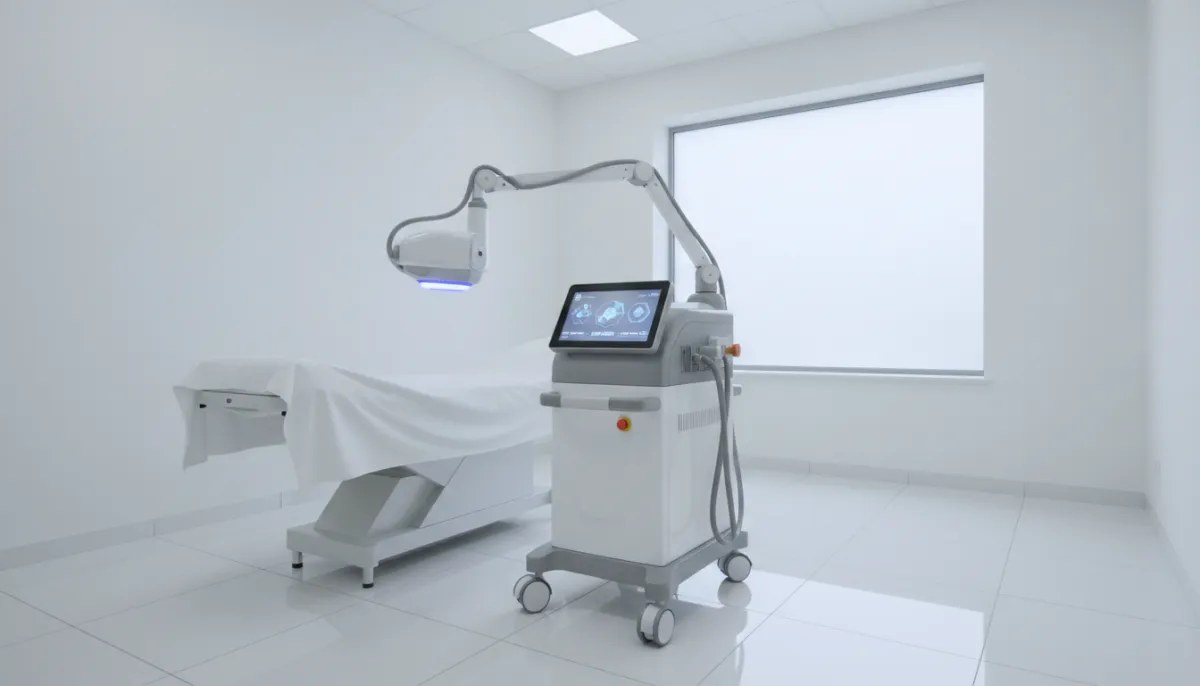
Benefits of CO2 Laser Skin Resurfacing
When performed by experienced clinicians, CO2 laser resurfacing offers a suite of benefits that extend beyond simple cosmetic enhancement. The treatment promotes new collagen formation, which not only smooths existing imperfections but also fortifies the skin against future aging signs.
- Reduction of fine lines and deep wrinkles
- Improvement of acne and surgical scars
- Even skin tone and diminished hyperpigmentation
- Enhanced skin firmness through collagen tightening
- Long‑lasting results with proper after‑care
Compared with other laser skin resurfacing modalities, CO2 lasers typically achieve higher levels of texture improvement. A recent clinical review reported an average 55 % reduction in wrinkle depth after a single fractional CO2 session, outperforming traditional erbium and non‑ablative lasers.
| Outcome | CO2 Laser | Erbium Laser | Non‑Ablative Laser |
|---|---|---|---|
| Wrinkle Reduction | 45‑60 % | 30‑45 % | 10‑20 % |
| Scar Improvement | 40‑55 % | 25‑40 % | 15‑25 % |
| Downtime | 7‑14 days | 5‑10 days | 1‑3 days |
These data points illustrate why many patients opt for CO2 laser treatments when seeking comprehensive skin rejuvenation. The technology’s versatility also allows customization for different skin types and concerns, making it a preferred choice for both subtle refinements and dramatic transformations.
What to Expect During a CO2 Laser Procedure
A typical CO2 laser session begins with a thorough consultation to assess skin condition, discuss goals, and determine the appropriate laser settings. On the day of treatment, the skin is cleansed and a topical anesthetic may be applied to ensure comfort.
Step‑by‑Step Overview
- Consultation & Planning: Evaluation of medical history, skin analysis, and treatment plan.
- Preparation: Cleansing, marking of treatment zones, and application of numbing cream.
- Laser Delivery: Precise emission of CO2 laser pulses, either full‑field or fractional, according to the plan.
- Immediate Post‑Treatment Care: Application of soothing ointments and protective dressings.
- Recovery Guidance: Detailed after‑care instructions, including sun protection and skincare regimen.
During the actual laser application, patients may feel a mild snapping or heating sensation, which is generally well‑tolerated thanks to the anesthetic. The entire process typically lasts between 15 and 45 minutes, depending on the treatment area.
| Phase | Typical Duration | Key Sensations |
|---|---|---|
| Consult | 30‑45 min | Discussion, no discomfort |
| Procedure | 15‑45 min | Mild heat/snapping, minimal pain |
| Initial Recovery | 1‑2 hours | Redness, swelling, possible crusting |
Post‑procedure, patients are advised to avoid direct sunlight, use gentle moisturizers, and follow any prescribed topical treatments. Most individuals resume normal activities within a week, though full results become apparent gradually as collagen remodeling continues over several months.
Potential Risks and How to Minimize Them
While CO2 laser resurfacing is generally safe when performed by qualified professionals, patients should be aware of possible side effects. Common temporary reactions include redness, swelling, and a sensation similar to a mild sunburn. More serious, though rare, complications can involve infection, pigment changes, or scarring.
- Redness & Swelling: Typically resolves within 3‑7 days.
- Pigment Alterations: Hyper‑ or hypopigmentation may occur, especially in darker skin tones; proper pre‑treatment testing reduces risk.
- Infection: Maintaining a clean post‑procedure environment and following after‑care instructions minimizes this risk.
- Scarring: Rare when laser settings are calibrated correctly; fractional approaches further lower this chance.
Choosing a clinic that adheres to strict sterilization protocols, conducts patch tests, and tailors laser parameters to individual skin types is essential for safety. Additionally, patients should disclose any history of keloid formation, active acne, or recent isotretinoin use, as these factors can affect healing.
| Risk | Incidence | Mitigation Strategy |
|---|---|---|
| Redness/Swelling | Common | Cold compresses, anti‑inflammatory creams |
| Pigment Changes | Occasional | Pre‑treatment test spot, sun avoidance |
| Infectie | Rare | Antibiotic ointment, sterile environment |
| Littekenvorming | Very Rare | Fractional settings, experienced practitioner |
By understanding these potential concerns and following professional guidance, patients can enjoy the transformative benefits of CO2 laser therapy while keeping adverse events to a minimum.
Choosing the Right Provider for CO2 Laser Treatments
Selecting a qualified practitioner is a critical step toward achieving optimal results with CO2 lasers. Prospective patients should evaluate clinics based on experience, technology, and patient support services.
Key Criteria for Evaluation
- Board‑Certified Specialists: Look for dermatologists or plastic surgeons with specific training in laser resurfacing.
- State‑of‑the‑Art Equipment: Modern fractional CO2 systems provide greater precision and reduced downtime.
- Personalized Treatment Plans: A thorough skin analysis ensures the laser settings match individual needs.
- Transparent After‑Care Protocols: Clear instructions and follow‑up appointments are essential for safe healing.
- Patient Testimonials and Before/After Galleries: Real‑world results help gauge the provider’s expertise.
When you compare providers, consider how they address each of these points. A clinic that invests in continuous education and the latest laser technology demonstrates a commitment to delivering high‑quality, safe outcomes.
Gold City Medical Center excels in all these areas, offering a comprehensive, integrative approach that combines medical expertise with aesthetic excellence.
Why Choose Gold City Medical Center
Gold City Medical Center integrates medical expertise with cutting‑edge aesthetic technology to deliver safe and effective CO2 laser resurfacing. Our team of board‑certified specialists tailors each treatment to the patient’s unique skin profile, ensuring optimal results with minimal downtime. With a commitment to continuous education and the latest fractional CO2 systems, we provide a trustworthy environment for all skin rejuvenation needs.
Ready to revitalize your skin with the proven power of CO2 lasers? Contact Gold City Medical Center today to schedule a personalized consultation and take the first step toward a smoother, more radiant complexion.
FAQ
What is a CO2 laser and how does it work for skin rejuvenation?
A CO2 laser emits infrared light that vaporizes water in skin cells, stimulating collagen remodeling for smoother, tighter skin.
What are the main differences between ablative and fractional CO2 laser treatments?
Ablative CO2 lasers remove entire skin layers for deep resurfacing, while fractional CO2 lasers treat microscopic zones, offering faster recovery.
What can patients expect during a typical CO2 laser session?
Patients undergo a consultation, topical anesthesia, laser delivery, immediate post‑treatment care, and receive detailed recovery instructions.
What are the common risks associated with CO2 laser resurfacing and how can they be minimized?
Common risks include redness, swelling, pigment changes, infection, and rare scarring; they are minimized with proper pre‑testing, sterile technique, and after‑care.
How does CO2 laser resurfacing compare to other laser modalities like erbium or non‑ablative lasers?
CO2 lasers generally achieve greater wrinkle and scar reduction than erbium or non‑ablative lasers, though they may require longer downtime.





