Finding the best bowel cleansing routine can feel overwhelming, especially with the flood of detox trends and medical prep instructions online. Whether you are gearing up for a colonoscopy, seeking a gentle detox, or simply aiming to improve regularity, understanding the science behind bowel cleansing is essential. Each year, millions of patients undergo colonoscopy prep, and a well‑executed cleanse can make the procedure safer and more comfortable. In this guide, we break down the most effective methods, explain how to choose a safe approach, and provide practical steps to maintain gut health after the cleanse.
We’ll explore medical‑grade options like prescription‑strength laxatives, natural alternatives such as fiber‑rich diets, and specialized procedures like colon hydrotherapy. By the end of this article, you’ll have a clear roadmap to achieve a thorough yet gentle cleanse, supported by the expertise of Gold City Medical Center.
Let’s begin by demystifying what bowel cleansing truly entails and why it matters for both diagnostic procedures and overall wellness.
Understanding Bowel Cleansing and Its Health Benefits
Bowel cleansing, often referred to as a colon cleanse, involves emptying the large intestine of waste material to improve visibility for diagnostic tests or to promote a feeling of lightness. The process can aid in detecting abnormalities during a colonoscopy by providing a clear view of the colon walls. Beyond medical imaging, many people report improved digestion, reduced bloating, and increased energy after a well‑planned cleanse.
Key benefits include:
- Enhanced visibility for colonoscopy and other imaging studies.
- Removal of excess gas and stool that may cause discomfort.
- Potential reduction of harmful metabolites that accumulate in the colon.
- Support for a balanced gut microbiome when followed by probiotic intake.
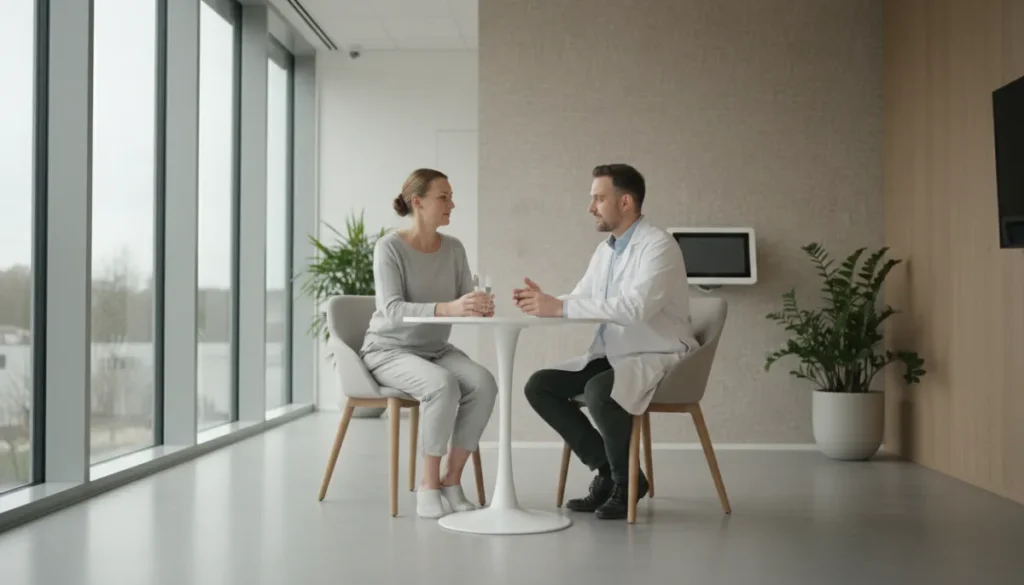
It is important to differentiate between short‑term cleansing for medical preparation and long‑term lifestyle changes aimed at gut health. While a single cleanse can be safe for most adults, repeated aggressive detoxes may disrupt electrolyte balance and intestinal flora. Consulting a qualified professional, such as those at Gold City Medical Center, ensures that the chosen method aligns with your health status and goals.
Common Methods for Bowel Cleansing
There are several widely used techniques to achieve a thorough cleanse. Each method varies in intensity, duration, and suitability for different health conditions.
Prescription Laxatives
Medications such as Miralax (polyethylene glycol) are often prescribed for colonoscopy prep. They work by drawing water into the colon, softening stool, and promoting evacuation. Typically, a patient consumes a measured dose mixed with water the night before and the morning of the procedure.
Enemas
Enemas deliver fluid directly into the rectum to stimulate a bowel movement. Popular options include saline enemas and the more controversial coffee enema. While effective for short‑term relief, enemas should be used under medical supervision to avoid irritation.
Colon Hydrotherapy
Also known as colonic irrigation, this procedure involves flushing the colon with filtered water through a specialized tube. It can be beneficial for individuals with chronic constipation but requires a certified practitioner to ensure safety.
Dietary Cleanses
Many people opt for natural approaches, such as a high‑fiber diet, juice fasts, or a clear liquid diet. Foods rich in soluble fiber—like oats, apples, and legumes—help bulk up stool and promote regularity. A typical “detox” plan may include a three‑day regimen of vegetable juices, herbal teas, and plenty of water.
| Methode | Typical Duration | Key Benefits | Considerations |
|---|---|---|---|
| Prescription Laxatives (e.g., Miralax) | 1‑2 days | Clinically validated for colonoscopy prep | Potential electrolyte shift if overused |
| Enemas (saline, coffee) | Same day | Rapid bowel emptying | Can cause rectal irritation |
| Colon Hydrotherapy | 30‑45 minutes | Deep cleaning, professional supervision | Requires trained provider, cost |
| Dietary Cleanses | 3‑7 days | Gentle, supports gut microbiome | Results may be slower, requires discipline |
How to Choose the Best Bowel Cleansing Approach
Selecting the right method depends on several personal and medical factors. Below are key criteria to evaluate before deciding.
Medical History and Current Health
Individuals with kidney disease, heart failure, or electrolyte imbalances should avoid aggressive laxatives and consult a physician. Those with inflammatory bowel disease may benefit more from gentle, fiber‑based cleanses rather than high‑volume enemas.
Purpose of the Cleanse
If the goal is a colonoscopy prep, a physician‑approved laxative regimen is the safest choice. For general detox, a gradual dietary approach paired with probiotic support may be more sustainable.
Safety and Side Effects
Look for methods that have been clinically studied and have clear dosage instructions. Avoid over‑the‑counter products that promise rapid results without evidence, as they may cause dehydration or electrolyte disturbances.
Professional Guidance
Working with a qualified clinic, such as Gold City Medical Center, ensures that the cleanse is tailored to your needs. Professionals can monitor vital signs, adjust dosages, and provide post‑cleanse nutrition plans.
Below is a quick decision‑making checklist to help you determine the most suitable option:
- Is the cleanse for a medical procedure? → Choose prescription laxatives or physician‑guided prep.
- Do you have chronic constipation? → Consider colon hydrotherapy with a certified therapist.
- Are you looking for a gentle detox? → Opt for a high‑fiber diet and herbal teas.
- Any underlying health conditions? → Always consult a healthcare provider first.
Preparing for a Colonoscopy: The Role of Bowel Cleansing
A colonoscopy requires a clear liquid diet and a thorough bowel cleanse to ensure the colon is free of residue. Proper preparation reduces the risk of missed lesions and shortens procedure time.
Standard Prep Instructions
Most gastroenterologists recommend the following steps:
- Three days before the appointment, switch to a low‑fiber diet.
- One day prior, consume only clear liquids such as water, broth, and clear juices.
- Take the prescribed bowel prep drink (e.g., polyethylene glycol solution) as directed, usually in split doses.
- Monitor stool color; a light yellow or clear appearance indicates a successful cleanse.
Patients often wonder about foods to avoid. Common restrictions include dairy, red or purple liquids, and solid foods with seeds or nuts. Following the colonoscopy prep diet precisely minimizes the chance of an incomplete exam.
Common Questions During Prep
– What can you not eat five days before a colonoscopy? Avoid high‑fiber foods such as whole grains, nuts, and raw vegetables.
– What does the poop color chart look like? A clear, yellow‑green stool signals that the colon is adequately cleared.
– Can I use a natural laxative instead of the prep drink? Only under medical advice; most clinicians prefer the proven prep solution for safety.
Adhering to these guidelines not only improves the visual quality of the colonoscopy but also reduces the likelihood of repeat procedures.
Maintaining Gut Health After a Cleanse
After completing a thorough cleanse, the focus shifts to sustaining a healthy gut environment. The colon is resilient, but it thrives on balanced nutrition and regular habits.
Re‑introducing Foods Gradually
Start with easily digestible foods such as cooked vegetables, lean proteins, and low‑fat dairy. Over the next few days, slowly add fiber‑rich foods to avoid sudden bloating.
Probiotics and Prebiotics
Supplementing with probiotic strains like Lactobacillus and Bifidobacterium can help repopulate beneficial bacteria. Prebiotic foods—such as garlic, onions, and bananas—feed these microbes, promoting long‑term balance.
Hydration and Lifestyle
Continue drinking plenty of water—at least 2 liters per day—to keep stool soft. Regular physical activity, even a daily walk, stimulates intestinal motility.
By integrating these practices, you can enjoy the immediate benefits of a cleanse while supporting ongoing digestive health.
Why Choose Gold City Medical Center
Gold City Medical Center combines integrative medicine with state‑of‑the‑art facilities to deliver safe, personalized bowel cleansing solutions. Our team of experienced gastroenterologists and certified therapists tailors each plan to your medical history, ensuring optimal preparation for colonoscopies or wellness‑focused detoxes. With a focus on evidence‑based practices and patient comfort, we provide a trusted environment for all your digestive health needs.
Ready to experience a safe and effective bowel cleanse? Contact Gold City Medical Center today to schedule a personalized consultation and take the first step toward a healthier gut.
FA
What foods should I avoid five days before a colonoscopy?
Avoid high‑fiber foods such as whole grains, nuts, seeds, and raw vegetables during the five days before the exam.
What does the poop color chart look like during colonoscopy prep?
A light yellow or clear stool indicates a successful bowel cleanse, while darker colors suggest more residue remains.
Can I use a natural laxative instead of the prescribed colonoscopy prep drink?
Only under medical supervision; most clinicians prefer the proven prep solution for safety and effectiveness.
How long does a typical bowel cleansing regimen take?
Most medical prep regimens last 1‑2 days, while natural dietary cleanses can range from 3‑7 days.
What are the potential risks of colon hydrotherapy?
Risks include electrolyte imbalance, bowel perforation, and infection if performed by unqualified personnel.





