Many people wonder does hair grafting work when they see thinning hair or a receding hairline. This article explains the science behind hair grafting, the variables that influence success, the realistic timeline for visible growth, and the potential risks you should be aware of before committing to the procedure. According to recent clinical data, modern grafting techniques achieve permanent hair restoration in up to 85 % of patients when performed under optimal conditions. By understanding each step of the process and the factors that affect outcomes, you can make an informed decision about whether this solution matches your personal goals.
We will walk through how grafts are harvested and implanted, what determines graft survival, the expected results over the first year, and how to evaluate cost versus benefit. Whether you are considering a full scalp restoration or a targeted hairline transplant, the information below will help you set realistic expectations and choose the right clinic for your needs.
Let’s begin by exploring the underlying mechanisms that make hair grafting a reliable option for many individuals seeking lasting hair restoration.
How Hair Grafting Works: The Science Behind the Procedure
Hair grafting, often referred to as a hair transplant, involves moving healthy hair follicles from a donor area—typically the back of the scalp—to the balding or thinning region. The most common techniques today are Follicular Unit Extraction (FUE) and Follicular Unit Transplantation (FUT). Both methods aim to preserve the natural angle, direction, and density of each follicle, ensuring a natural‑looking result.
The Graft Harvesting Process
During the harvesting phase, the surgeon extracts individual follicular units, each containing 1–4 hairs, using a micro‑punch tool (FUE) or by removing a thin strip of scalp (FUT). The extracted grafts are then carefully trimmed and stored in a specialized solution that maintains cell viability until implantation.
Implantation Techniques
Implantation requires creating microscopic incisions in the recipient area that match the natural hair growth pattern. The grafts are placed into these channels, one by one, with precise control over depth and angle. Modern robotic assistance can improve placement accuracy, but skilled manual techniques remain the gold standard in many clinics.
- Identify donor area with dense, permanent hair.
- Extract grafts using FUE or FUT.
- Preserve grafts in a chilled, isotonic solution.
- Design recipient zone based on facial geometry.
- Implant grafts with correct orientation and spacing.
Factors Influencing Graft Survival and Growth
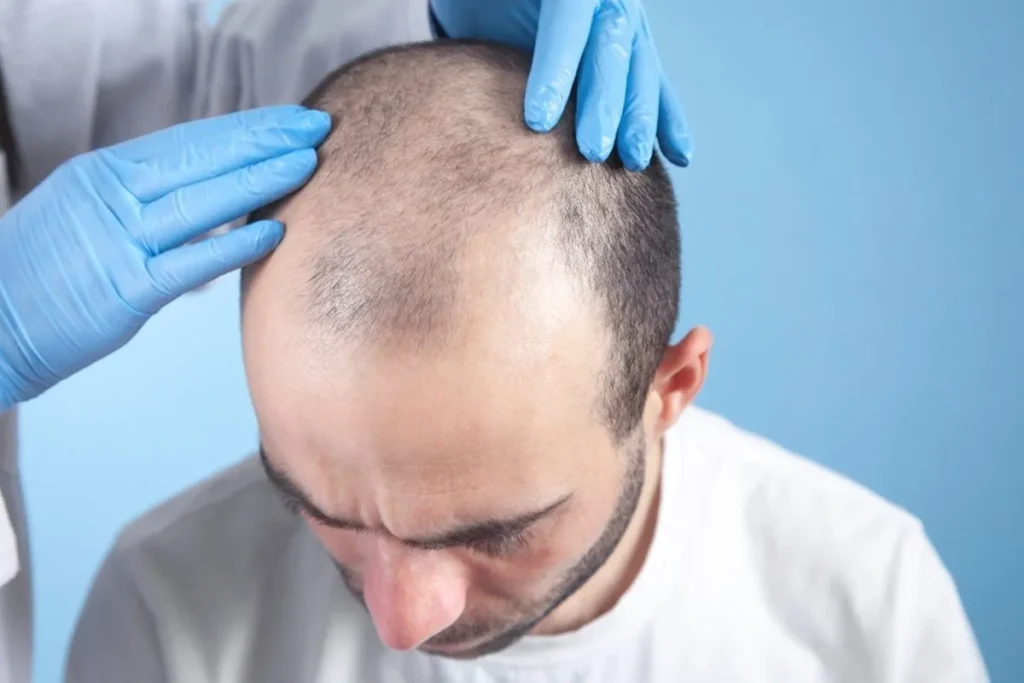
Even with flawless technique, the ultimate success of a graft depends on several biological and procedural factors. Understanding these variables can help you assess whether hair grafting is likely to meet your expectations.
Patient Health and Scalp Condition
Overall health, including nutrition, hormonal balance, and smoking status, plays a crucial role in graft survival. A well‑vascularized scalp provides the oxygen and nutrients needed for transplanted follicles to take root and produce new hair.
Graft Quality and Handling
The way grafts are harvested, stored, and implanted directly impacts their viability. Excessive time out of the body, improper temperature control, or mechanical damage can reduce the number of follicles that successfully grow.
| Factor | Impact on Survival | Best Practice |
|---|---|---|
| Donor Hair Quality | High – thicker, healthy follicles have higher success rates. | Select donor area with dense, non‑miniaturized hair. |
| Extraction Technique | Medium – trauma can affect follicle integrity. | Use FUE with precision micro‑punches. |
| Storage Time | Low – longer times decrease viability. | Keep grafts in chilled isotonic solution, implant within 4 hours. |
| Implantation Angle | High – correct angle mimics natural growth. | Match recipient site’s natural hair direction. |
Expected Results and Timeline After Hair Grafting
Patience is essential when evaluating the outcome of a hair graft. The transplanted follicles follow a predictable growth cycle, and visible improvement typically unfolds over several months.
Immediate Post‑Procedure Phase (First 2 Weeks)
During the first week, the transplanted hairs often shed—a normal process called “shock loss.” The scalp may appear slightly red and mildly swollen, but these symptoms subside quickly.
Growth Phases Over Months (Months 3–12)
New hair growth usually begins around the third month. By six months, most patients notice a noticeable increase in density, and full results are generally evident by the 12‑month mark.
- Weeks 1‑2: Scalp healing, grafts settle, initial shedding.
- Weeks 3‑8: Minimal visible change; follicles are establishing blood supply.
- Months 3‑6: Early hair growth appears as fine, soft strands.
- Months 6‑12: Hair thickens, density improves, natural appearance achieved.
It is important to follow post‑operative care instructions, such as gentle washing, avoiding direct sunlight, and using recommended topical treatments, to maximize graft survival and accelerate growth.
Potential Risks, Side Effects, and How to Minimize Them
While hair grafting is generally safe, understanding possible complications helps you prepare and mitigate them effectively.
Vaak voorkomende bijwerkingen
- Temporary redness and swelling of the donor and recipient areas.
- Mild itching or scabbing as the scalp heals.
- Transient shock loss of existing hairs.
Rare Complications
Infrequent but serious issues can include infection, cyst formation, or noticeable scarring—particularly with the FUT method. Selecting an experienced surgeon and following after‑care guidelines dramatically reduces these risks.
To minimize side effects, adhere to the following recommendations:
- Keep the scalp clean using the prescribed gentle shampoo.
- Avoid strenuous exercise and heavy sweating for the first week.
- Protect the scalp from direct sun exposure for at least two weeks.
- Follow prescribed medication schedules, including any antibiotics or anti‑inflammatory drugs.
Cost Considerations and Choosing the Right Clinic
Financial planning is a key part of deciding whether hair grafting is the right option for you. Prices vary widely based on technique, number of grafts, and geographic location.
Pricing Factors
| Factor | Typical Impact on Cost |
|---|---|
| Number of Grafts Required | Higher graft counts increase total price. |
| Technique (FUE vs. FUT) | FUE is usually more expensive due to longer procedure time. |
| Clinic Reputation and Experience | Established centers may charge premium rates. |
| Geographic Region | Costs differ between countries and even cities. |
In the Netherlands, the price of a hair transplant typically ranges from €3,500 to €8,000, depending on the factors above. For those interested in alternatives, “hair plugs” or “hair implants” can be less expensive but often deliver lower density and naturalness.
What to Expect in a Consultation
- Comprehensive scalp analysis and discussion of goals.
- Personalized estimate based on required graft count.
- Explanation of the chosen technique and after‑care plan.
- Review of potential risks and realistic outcome expectations.
Choosing a clinic that prioritizes transparent pricing, evidence‑based results, and patient education will help you feel confident throughout the journey.
Why Choose Gold City Medical Center for Your Hair Grafting
Gold City Medical Center combines cutting‑edge technology with a holistic approach to hair restoration. Our team of certified specialists has extensive experience in both FUE and FUT techniques, ensuring each graft is handled with the utmost precision. We offer personalized treatment plans, state‑of‑the‑art facilities, and comprehensive after‑care support—all designed to maximize graft survival and deliver natural, lasting results. Trust a center that integrates medical expertise with aesthetic excellence for your hair graft journey.
Ready to restore your confidence with proven hair grafting results? Contact Gold City Medical Center today to schedule a confidential consultation and receive a customized treatment plan tailored to your needs.
FAQ
Does hair grafting work?
Yes, modern hair grafting techniques achieve permanent restoration in up to 85% of patients when performed under optimal conditions.
What is the difference between FUE and FUT techniques?
FUE extracts individual follicular units with a micro‑punch, while FUT removes a strip of scalp and dissects it into grafts.
How long does it take to see results after a hair graft?
Visible new hair typically appears around month 3, with most patients seeing full results by month 12.
What factors affect the survival of hair grafts?
Graft survival is influenced by donor hair quality, extraction technique, storage time, implantation angle, and the patient’s overall health.
What are the common side effects of hair grafting?
Typical side effects include temporary redness, swelling, itching, scabbing, and short‑term shock loss of existing hairs.
How much does a hair grafting procedure cost in the Netherlands?
In the Netherlands, prices typically range from €3,500 to €8,000 depending on graft count, technique, and clinic reputation.





