The beginning stages of hair loss can be subtle, yet they often signal a shift that, if addressed early, can be managed effectively. For many, noticing a few extra strands on the pillow or a slightly wider part in the hairline sparks concern. Studies show that up to 40% of men and 30% of women experience noticeable thinning by the age of 30, making early detection a crucial step toward preserving hair density.
In this article we explore the hallmark signs that indicate you may be entering the early phase of hair loss, the most common underlying causes, and the diagnostic tools that professionals use to pinpoint the issue. We also discuss a range of treatment options—from medically proven therapies to lifestyle adjustments—that are most effective when applied during the beginning stages of hair loss. Whether you are a man noticing a receding hairline or a woman observing diffuse thinning, understanding the process empowers you to act confidently.
By the end of this guide you will be equipped with practical knowledge to recognize early warning signals, know when to seek expert advice, and choose the right interventions to slow or reverse hair thinning before it progresses further.
Identifying Early Warning Signs
Spotting the early warning signs of hair loss allows you to intervene before significant thinning occurs. Common visual cues include:
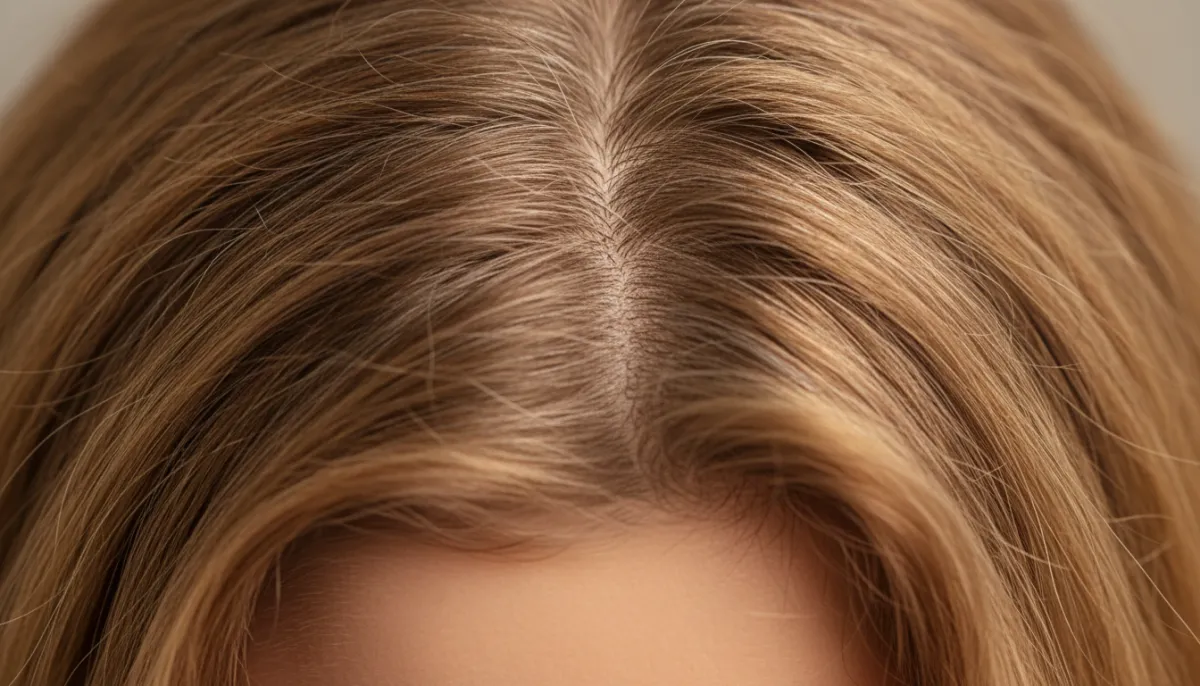
- Gradual widening of the part or scalp visibility at the crown.
- Receding hairline, especially at the temples.
- Increased shedding during washing or brushing.
- Fine, short hairs (vellus hairs) replacing thicker strands.
- Patchy bald spots that may appear suddenly.
These signs often differ between men and women, but the underlying pattern remains similar. For men, the classic “M” shape receding hairline is typical, while women usually notice a diffuse thinning across the top of the scalp.
| Visible Sign | Likely Underlying Process |
|---|---|
| Widening part | Androgenetic alopecia (male or female pattern) |
| Receding temples | Hormonal influence, early androgen sensitivity |
| Patchy spots | Alopecia areata or traction alopecia |
| Excess shedding | Telogen effluvium triggered by stress or illness |
Common Causes Behind Early Hair Loss
Understanding why hair begins to thin helps you choose the most appropriate treatment. The most frequently encountered causes in the beginning stages of hair loss include:
- Androgenetic alopecia – often called male or female pattern baldness, driven by genetic sensitivity to dihydrotestosterone (DHT).
- Alopecia areata – an autoimmune condition that creates round, smooth bald patches.
- Telogen effluvium – a temporary shedding phase triggered by stress, illness, or hormonal shifts.
- Traction alopecia – caused by tight hairstyles that pull on hair follicles over time.
- Hormonale veranderingen – especially fluctuations in thyroid hormones, estrogen, or testosterone.
Each cause presents a distinct pattern, and recognizing the pattern guides the diagnostic process. For instance, a sudden patchy loss points more toward alopecia areata, while a gradual thinning at the crown suggests androgenetic alopecia.
| Cause | Typical Pattern | Key Indicator |
|---|---|---|
| Androgenetic alopecia | Receding hairline, thinning crown | Family history of early baldness |
| Alopecia areata | Round bald patches | Rapid appearance of smooth spots |
| Telogen effluvium | Diffuse shedding across scalp | Recent stressor or illness |
| Traction alopecia | Hair loss along hairline or temples | History of tight braids or ponytails |
| Hormonale veranderingen | Generalized thinning | Pregnancy, menopause, thyroid disorder |
Diagnostic Tools and When to Seek Professional Help
When you suspect you are in the beginning stages of hair loss, a professional evaluation can clarify the cause and set a treatment roadmap. Key diagnostic tools include:
- Scalp examination – visual inspection and gentle traction test performed by a clinician.
- Norwood scale – a standardized chart that grades male pattern baldness from stage 1 (minimal recession) to stage 7 (extensive loss).
- Blood tests – assess thyroid function, iron levels, and hormonal balance.
- Trichoscopy – dermatoscopic imaging of the scalp to evaluate follicle health.
- Biopsy – rarely needed, but can confirm autoimmune conditions like alopecia areata.
Generally, you should schedule a consultation if you notice any of the early signs listed above, experience rapid shedding, or have a family history of early baldness. Early professional input increases the likelihood of successful intervention.
| Diagnostic Tool | Purpose | Typical Timing |
|---|---|---|
| Scalp examination | Identify pattern, rule out infection | First visit |
| Norwood scale | Stage severity for male pattern | During visual assessment |
| Blood tests | Detect hormonal or nutritional deficiencies | Within 1–2 weeks of visit |
| Trichoscopy | Microscopic view of follicles | If pattern unclear |
| Biopsy | Confirm autoimmune or scarring alopecia | Only when other tests inconclusive |
Treatment Options for the Early Stages
When hair loss is caught early, a variety of interventions can halt or even reverse the process. The most common evidence‑based treatments include:
- Topical minoxidil – stimulates follicle activity; available over‑the‑counter in 2% and 5% formulations.
- Oral finasteride – a prescription medication that reduces DHT production, primarily for men.
- Platelet‑rich plasma (PRP) – injections that deliver growth factors to the scalp.
- Low‑level laser therapy (LLLT) – devices that emit red light to improve cellular metabolism.
- Early hair transplant consultation – for patients with clear pattern loss, a minimally invasive transplant can be planned before extensive thinning.
Choosing the right option depends on the underlying cause, gender, and personal preferences. For example, women with androgenetic alopecia often start with minoxidil, while men may combine minoxidil with finasteride for synergistic effect.
| Behandeling | Mechanism | Typical Results Timeline |
|---|---|---|
| Minoxidil | Vasodilation, follicle stimulation | 3–6 months |
| Finasteride | DHT inhibition | 6–12 months |
| PRP | Growth factor delivery | 2–4 months per session |
| LLLT | Cellular metabolism boost | 4–6 months |
| Hair transplant | Permanent follicle relocation | 9–12 months for full growth |
Lifestyle Adjustments to Slow Progression
Medical therapies work best when paired with supportive lifestyle habits. Simple changes can reduce the rate of hair thinning during the beginning stages of hair loss:
- Balanced nutrition – ensure adequate protein, iron, zinc, and biotin intake.
- Stress management – practice mindfulness, regular exercise, or yoga to lower cortisol levels.
- Gentle hair care – avoid harsh chemicals, limit heat styling, and use a wide‑tooth comb.
- Avoid tight hairstyles – reduce tension from braids, ponytails, or extensions.
- Regular scalp massage – stimulates blood flow and may enhance follicle health.
While lifestyle changes alone rarely reverse established baldness, they create a healthier environment for existing follicles and improve the efficacy of medical treatments.
Why Choose Gold City Medical Center
Gold City Medical Center combines cutting‑edge medical expertise with a holistic approach to hair restoration. Our team of board‑certified dermatologists and hair‑transplant surgeons tailors each treatment plan to the individual, ensuring that early interventions are both effective and minimally invasive. With state‑of‑the‑art facilities, advanced diagnostics, and a proven track record in integrative care, we provide the confidence and results you need to address the beginning stages of hair loss.
Ready to take control of your hair health? Contact Gold City Medical Center today to schedule a personalized consultation and start your journey toward fuller, healthier hair.
FAQ
What are the early warning signs of hair loss?
Early warning signs include a widening part, receding hairline, increased shedding, finer hairs, and patchy bald spots.
Which conditions most commonly cause early hair loss?
Androgenetic alopecia, alopecia areata, telogen effluvium, traction alopecia, and hormonal changes are the most common causes.
When should I see a professional for early hair loss?
Schedule a visit if you notice any early signs, experience rapid shedding, or have a family history of baldness.
What are the most effective treatments for the early stages of hair loss?
Topical minoxidil, oral finasteride, PRP injections, low‑level laser therapy, and early hair‑transplant consultation are proven options.
How do lifestyle changes help slow early hair loss?
Balanced nutrition, stress management, gentle hair care, avoiding tight styles, and scalp massage support follicle health.
What diagnostic tools are used to determine the cause of early hair loss?
Scalp examination, Norwood scale, blood tests, trichoscopy, and occasionally biopsy are common diagnostic tools.





