A bald spot with long hair can be a perplexing visual, especially when thick locks surround a clear patch of scalp. Many people notice this condition during routine grooming or when styling their hair, and it often raises concerns about underlying health issues. In this article we explore the common causes, diagnostic steps, and proven treatments that can restore confidence and hair density.
Statistics from dermatological studies show that up to 30% of individuals experience some form of localized hair loss before the age of 40. While genetics play a significant role, factors such as hormonal changes, stress, and scalp health can also contribute to a bald spot with long hair. Understanding the root cause is essential for selecting the most effective intervention.
We will walk you through the science of hair growth, differentiate between temporary shedding and permanent loss, and outline practical options ranging from medical therapies to advanced hair transplant procedures offered at Gold City Medical Center.
What Causes a Bald Spot When Your Hair Is Long?
Several medical and lifestyle factors can lead to a visible bald patch despite having long hair. The most common culprits include:
- Androgenetic alopecia (male or female pattern baldness)
- Alopecia areata, an autoimmune condition that causes sudden hair loss
- Telogen effluvium, often triggered by stress, illness, or hormonal shifts
- Traction alopecia from tight hairstyles that pull on the scalp
- Scalp infections or inflammatory conditions such as seborrheic dermatitis
Each of these conditions can manifest as a bald spot with long hair because the surrounding hair remains unchanged while the affected follicles stop producing pigment. For instance, alopecia areata frequently appears as small, round bald patches that may expand if left untreated.
Diagnosing the exact cause requires a thorough evaluation by a specialist. Typical steps include:
- Medical history review to identify recent stressors, medication changes, or family patterns.
- Physical examination of the scalp, noting the shape, size, and edges of the bald area.
- Dermoscopic analysis to observe follicular miniaturization or inflammation.
- Blood tests to check hormone levels, thyroid function, and nutritional deficiencies.
Understanding these factors helps clinicians tailor a personalized hair loss treatment plan that addresses both the symptom—your bald spot with long hair—and its underlying trigger.
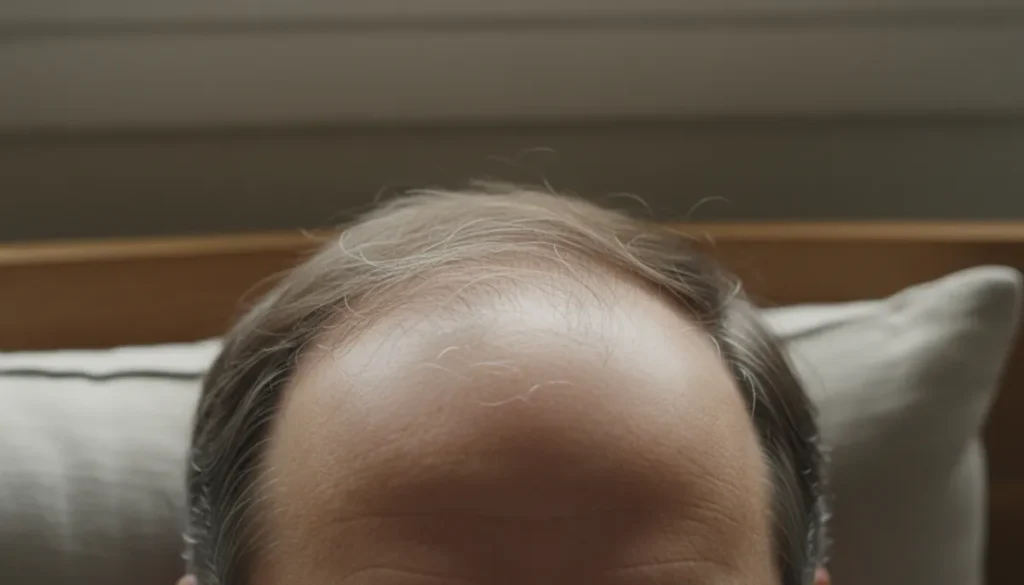
Diagnosing Alopecia Types That Lead to Localized Baldness
When a patient presents a bald spot with long hair, clinicians first differentiate between the various forms of alopecia. Below is a comparison of the most relevant types:
| Type of Alopecia | Typical Pattern | Oorzaken | Treatment Options |
|---|---|---|---|
| Alopecia Areata | Round or oval patches | Autoimmune attack on hair follicles | Topical corticosteroids, immunotherapy, JAK inhibitors |
| Androgenetic Alopecia | Receding hairline, crown thinning | Genetic sensitivity to DHT | Finasteride, minoxidil, hair transplant surgery |
| Telogeen Effluvium | Diffuse shedding | Stress, illness, hormonal changes | Address trigger, nutritional support, patience |
| Alopecia tractie | Hairline and temples | Constant tension from hairstyles | Change hair styling, topical agents, early intervention |
Accurate diagnosis often hinges on the pattern of hair loss and the presence of accompanying symptoms such as itching, redness, or scaling. For example, a smooth, well-defined bald spot with long hair may suggest alopecia areata, whereas a gradual thinning along the crown points toward androgenetic alopecia.
In addition to visual assessment, a scalp biopsy may be recommended in ambiguous cases. This procedure provides microscopic insight into follicular health, confirming whether the hair follicles are dormant (potentially reversible) or permanently damaged.
Effective Hair Loss Treatments for a Bald Spot with Long Hair
Once the cause is identified, a range of therapeutic options can address a bald spot with long hair. Treatment selection depends on the diagnosis, patient preferences, and desired speed of results.
Medical Therapies
First-line medical interventions include:
- Topical minoxidil – stimulates blood flow and prolongs the growth phase of hair follicles.
- Oral finasteride – reduces DHT levels, slowing the progression of androgenetic alopecia.
- Corticosteroid injections – target inflammation in alopecia areata patches.
- Platelet‑rich plasma (PRP) therapy – uses the patient’s own blood platelets to promote regeneration.
These treatments are often combined for synergistic effect. For instance, patients with a bald spot with long hair caused by alopecia areata may benefit from both topical minoxidil and PRP sessions to accelerate regrowth.
Surgical Options
When medical therapy is insufficient, surgical solutions become viable. The most common procedures are:
- Follicular Unit Extraction (FUE) – individual hair follicles are harvested from a donor area and transplanted into the bald spot.
- Follicular Unit Transplantation (FUT) – a strip of scalp is removed, dissected, and grafted into the target area.
Both techniques produce natural‑looking results, especially when the surrounding hair is long, as the transplanted follicles blend seamlessly with existing strands.
At Gold City Medical Center, experienced surgeons employ state‑of‑the‑art FUE methods to ensure minimal scarring and rapid recovery, making it an ideal choice for patients seeking to conceal a bald spot with long hair.
Lifestyle and Home Care Strategies to Support Hair Regrowth
Beyond clinical interventions, everyday habits can influence the outcome for a bald spot with long hair. Incorporating the following practices can improve scalp health and promote hair density:
- Balanced nutrition – ensure adequate intake of iron, zinc, biotin, and omega‑3 fatty acids.
- Gentle hair handling – avoid harsh brushing, tight ponytails, or heat styling that can exacerbate traction alopecia.
- Stress management – techniques such as meditation, yoga, or regular exercise reduce cortisol levels that may trigger telogen effluvium.
- Scalp massage – stimulates blood circulation, encouraging follicular activity.
- Regular dermatological check‑ups – early detection of changes allows timely intervention.
For those experiencing a bald spot with long hair, using a mild, sulfate‑free shampoo and a nourishing conditioner can prevent further irritation. Additionally, topical serums containing peptides or growth factors may complement professional treatments.
While lifestyle modifications alone rarely cure severe alopecia, they form a crucial supportive framework that enhances the effectiveness of medical and surgical therapies.
Choosing the Right Hair Restoration Path at Gold City Medical Center
Gold City Medical Center combines integrative medical expertise with cutting‑edge cosmetic technology to deliver personalized solutions for a bald spot with long hair. Our multidisciplinary team evaluates each case holistically, considering medical history, scalp condition, and aesthetic goals.
Patients benefit from:
- Comprehensive diagnostic protocols, including dermatoscopy and blood analysis.
- Access to FDA‑approved medications, PRP therapy, and advanced FUE hair transplant techniques.
- Post‑procedure support, such as personalized after‑care plans and follow‑up monitoring.
By integrating medical treatment with aesthetic refinement, we aim to restore not only hair density but also confidence and quality of life.
Why Choose Gold City Medical Center
Gold City Medical Center stands out for its integrative approach, combining evidence‑based medical treatments with aesthetic excellence. Our specialists have extensive experience in diagnosing and treating conditions that cause a bald spot with long hair, from alopecia areata to androgenetic alopecia. We prioritize patient safety, use the latest technology, and deliver results that blend naturally with your existing hair. Trust a center that values both health and beauty, ensuring lasting outcomes for every client.
Ready to reclaim a full, natural look? Contact Gold City Medical Center today to schedule a personalized consultation and discover the most effective solution for your bald spot with long hair.
Take the first step toward confidence—call us or fill out the online form now.
FAQ
What causes a bald spot when you have long hair?
Bald spots with long hair are usually caused by underlying conditions such as androgenetic alopecia, alopecia areata, telogen effluvium, traction alopecia, or scalp infections.
How can I diagnose the type of alopecia causing a bald spot?
Diagnosis involves medical history, scalp examination, dermoscopic analysis, and sometimes blood tests or a scalp biopsy.
What medical treatments are effective for a bald spot with long hair?
Topical minoxidil, oral finasteride, corticosteroid injections, and PRP therapy are common first‑line treatments.
When is a hair transplant recommended for a bald spot with long hair?
A transplant is advised when medical therapies are insufficient and the bald area is stable with healthy donor hair.
What lifestyle changes can help support hair regrowth in a bald spot?
Balanced nutrition, gentle hair handling, stress management, scalp massage, and regular dermatology check‑ups support regrowth.
How does Gold City Medical Center approach hair restoration for bald spots?
The center offers comprehensive diagnostics, FDA‑approved medications, PRP, and advanced FUE transplants with personalized after‑care.





