Many wonder, can lack of protein cause hair loss, and the answer is a nuanced yes. Protein is the building block of keratin, the main structural component of each strand of hair. When the body does not receive enough protein, it prioritizes essential functions over hair growth, leading to thinning or shedding. This article examines the science behind protein‑related hair loss, identifies warning signs, and offers practical dietary strategies to keep your hair healthy.
Hair loss affects up to 40 % of the population at some point, and nutrition is a frequently overlooked factor. While genetics and hormones play major roles, insufficient protein intake can accelerate the process, especially when combined with other deficiencies such as iron or vitamin D. Understanding how these nutrients interact helps you make informed choices and avoid preventable hair thinning.
We will explore the biological role of protein in hair follicles, the symptoms that signal a deficiency, the best foods and supplements for hair growth, and when professional evaluation is warranted. By the end, you’ll have a clear roadmap to support robust hair health from the inside out.
Understanding Protein’s Role in Hair Growth
Hair is composed of a protein called keratin, which is synthesized from amino acids obtained through diet. When protein intake is adequate, hair follicles receive a steady supply of the raw materials needed for the anagen (growth) phase. Conversely, a protein deficiency forces the body to conserve amino acids for vital organs, shortening the growth phase and pushing follicles into the telogen (resting) stage.
Key mechanisms include:
- Keratin synthesis: Requires essential amino acids such as cysteine, methionine, and lysine.
- Cell turnover: Protein supports rapid cell division in the hair matrix.
- Hormonal balance: Adequate protein helps regulate hormones like cortisol that can affect hair cycles.
Research shows that individuals on low‑protein diets (e.g., protein‑reduced diet or extreme calorie restriction) experience a measurable increase in telogen hairs within weeks. This effect is often reversible once protein intake normalizes, but prolonged deficiency may cause permanent miniaturization of follicles.
| Protein Source | Amino Acids Rich In | Typical Serving (g) |
|---|---|---|
| Chicken breast | Leucine, Lysine | 31 g |
| Greek yogurt | Cysteine, Tryptophan | 10 g |
| Lentils (cooked) | Methionine, Lysine | 9 g |
| Eggs (large) | All essential amino acids | 6 g |
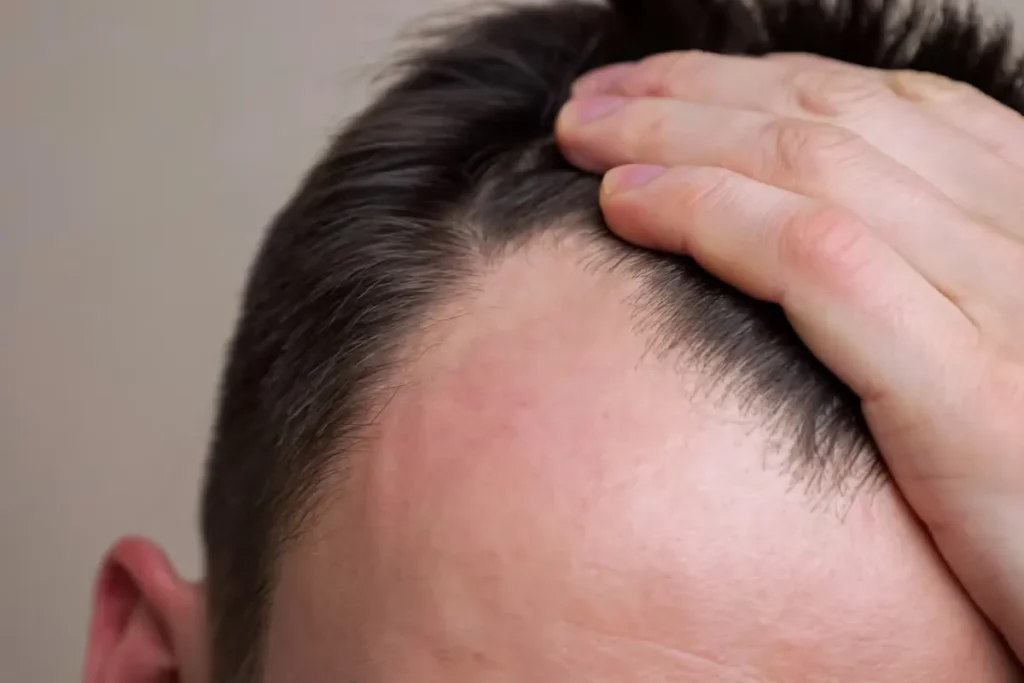
Signs of Protein Deficiency and Their Impact on Hair
Detecting a protein shortfall early can prevent irreversible hair damage. Common signs include:
- Diffuse thinning across the scalp rather than localized patches.
- Increased shedding during washing or brushing.
- Dry, brittle hair that breaks easily.
- Visible scalp flaking or dandruff due to reduced sebum production.
These symptoms often appear alongside other deficiency cues such as low total protein levels in blood tests, muscle weakness, and edema. A particular red flag is the combination of hair loss with iron deficiency—both nutrients share pathways in erythropoiesis and cellular metabolism. When iron stores are low, the body may further prioritize vital organs over hair follicles, compounding the problem.
Laboratory testing can reveal “low protein in blood” and “total protein low” values, guiding clinicians toward appropriate supplementation. However, dietary correction should precede or accompany any supplement regimen to address the root cause.
For those wondering, “can lack of protein cause hair loss and dry skin?” the answer is affirmative. Keratin is also a major component of the epidermis; insufficient protein can manifest as both hair and skin dryness.
Dietary Strategies to Prevent Hair Loss
Optimizing your diet is the most sustainable way to counteract the effects of protein deficiency. Aim for a balanced intake of protein rich food for hair growth while also supporting iron and vitamin levels that influence follicle health.
Key dietary recommendations:
- Consume 0.8–1.2 g of protein per kilogram of body weight daily, adjusting upward for active individuals.
- Include a variety of animal and plant proteins to cover all essential amino acids.
- Pair iron‑rich foods (red meat, spinach, legumes) with vitamin C sources to enhance absorption.
- Incorporate foods high in vitamin D and B‑complex (fatty fish, fortified dairy, nuts) to support hair cycle regulation.
Sample “diet for good hair growth” plan:
| Meal | Protein Source | Additional Nutrients |
|---|---|---|
| Breakfast | Greek yogurt with whey protein powder | Calcium, Vitamin D |
| Lunch | Grilled chicken salad with quinoa | Iron, Vitamin C |
| Dinner | Baked salmon with lentil side | Omega‑3, Magnesium |
| Snack | Hard‑boiled egg or a handful of almonds | Biotin, Healthy fats |
For those who prefer supplementation, protein powder for hair growth can be useful, but it should complement whole‑food sources rather than replace them. Look for products with a complete amino acid profile and avoid those high in added sugars, which can exacerbate inflammation and hair shedding.
Remember that “what vitamin deficiency causes hair loss” often points to vitamin D, B‑12, or biotin deficits. A comprehensive approach that balances protein, iron, and vitamins yields the best results.
When to Seek Medical Help and Treatment Options
If you notice persistent shedding despite dietary improvements, it’s time to consult a specialist. Medical evaluation can differentiate protein‑related hair loss from other causes such as androgenetic alopecia, thyroid disorders, or autoimmune conditions.
Typical steps in a clinical assessment include:
- Comprehensive medical history and dietary review.
- Blood tests for total protein, albumin, iron studies, ferritin, vitamin D, and thyroid panels.
- Scalp examination and possibly a trichogram to assess hair growth phases.
Based on results, treatment may involve:
- Targeted protein supplements (e.g., whey, soy, or collagen peptides).
- Iron tablets or ferric gluconate if iron deficiency is confirmed.
- Prescription‑strength topical minoxidil to stimulate follicles during the recovery phase.
- In severe cases, hair transplant procedures offered by experts at Gold City Medical Center.
It’s essential to address underlying nutritional gaps before considering invasive options. A multidisciplinary approach—combining nutrition counseling, medical therapy, and, when appropriate, cosmetic interventions—delivers the most sustainable outcomes.
Frequently Overlooked Nutrients: Iron and Vitamins
While protein is a cornerstone, other micronutrients play pivotal roles in hair health. Iron, for instance, is crucial for oxygen transport to hair follicles. Can iron deficiency cause hair loss? Studies confirm that low ferritin levels are linked to diffuse thinning, especially in women.
Key points about iron:
- Women of reproductive age are at higher risk due to menstrual losses.
- Symptoms include fatigue, pale skin, and brittle nails alongside hair loss.
- Iron supplements should be taken with vitamin C to improve absorption.
Vitamins such as D, B‑complex, and biotin also influence keratin production and scalp circulation. A deficiency in vitamin D can disrupt the hair growth cycle, while B‑vitamins support cellular metabolism within the follicle.
Integrating these nutrients into your diet can be as simple as adding fortified cereals, fatty fish, nuts, and leafy greens. If you suspect a deficiency, a simple blood test can pinpoint “what deficiency causes hair loss” in your case, allowing for precise supplementation.
Why Choose Gold City Medical Center
Gold City Medical Center combines cutting‑edge medical expertise with a holistic approach to hair health. Our team of dermatologists, nutritionists, and hair‑restoration surgeons works together to diagnose the root cause of hair loss, whether it stems from protein deficiency, iron imbalance, or other factors. We offer personalized treatment plans that integrate nutritional counseling, advanced diagnostics, and state‑of‑the‑art hair transplant techniques—all within a comfortable, patient‑focused environment.
Choosing us means benefiting from evidence‑based care, modern facilities, and a commitment to long‑term results. We prioritize your overall well‑being, ensuring that every recommendation supports both your health and aesthetic goals.
Ready to restore your hair’s vitality? Contact Gold City Medical Center today for a comprehensive evaluation and personalized nutrition plan. Take the first step toward healthier hair—schedule your appointment now.
FAQ
Can lack of protein cause hair loss?
Yes, insufficient protein can lead to hair thinning and shedding.
What are the signs of protein deficiency related to hair?
Diffuse thinning, increased shedding, dry brittle hair, and scalp flaking.
How much protein should I eat to prevent hair loss?
Aim for 0.8–1.2 g of protein per kilogram of body weight daily.
Which foods are best for hair growth?
Chicken breast, Greek yogurt, lentils, eggs, salmon, and nuts provide high‑quality protein and supporting nutrients.
Can iron deficiency cause hair loss?
Yes, low iron levels can lead to diffuse hair thinning, especially in women.
When should I see a doctor for hair loss?
If shedding persists despite dietary changes, seek a medical evaluation.





