Many people wonder, how do you get thin hair, and what can be done about it. Thin hair is not just a cosmetic concern; it can signal underlying health issues, hormonal shifts, or genetic predisposition. In this article we explore the main reasons behind hair thinning, differentiate between temporary and permanent causes, and outline medical and lifestyle strategies to strengthen your strands.
According to recent dermatological studies, up to 40% of adults experience noticeable hair thinning by the age of 35. Whether you are dealing with alopecia, male pattern baldness, or stress‑related shedding, understanding the root cause is essential for effective treatment.
We will cover the biology of hair growth, common triggers such as nutrition deficiencies and hormonal changes, and the latest integrative approaches offered at Gold City Medical Center, including personalized hair transplant programs.
By the end of this guide, you will know how to answer the question “how do you get thin hair” for yourself, and you’ll have a clear plan to promote healthier, fuller hair.
Hair Growth Cycle and Why It Matters
The hair follicle undergoes a continuous cycle consisting of three phases: anagen (growth), catagen (transition), and telogen (rest). Disruptions in any of these phases can lead to hair thinning or loss. For example, a shortened anagen phase reduces the length of hair strands, while a prolonged telogen phase increases shedding.
Understanding this cycle helps clinicians identify whether thinning is due to genetic factors like alopecia androgenetica or external influences such as medication, nutritional deficits, or stress.
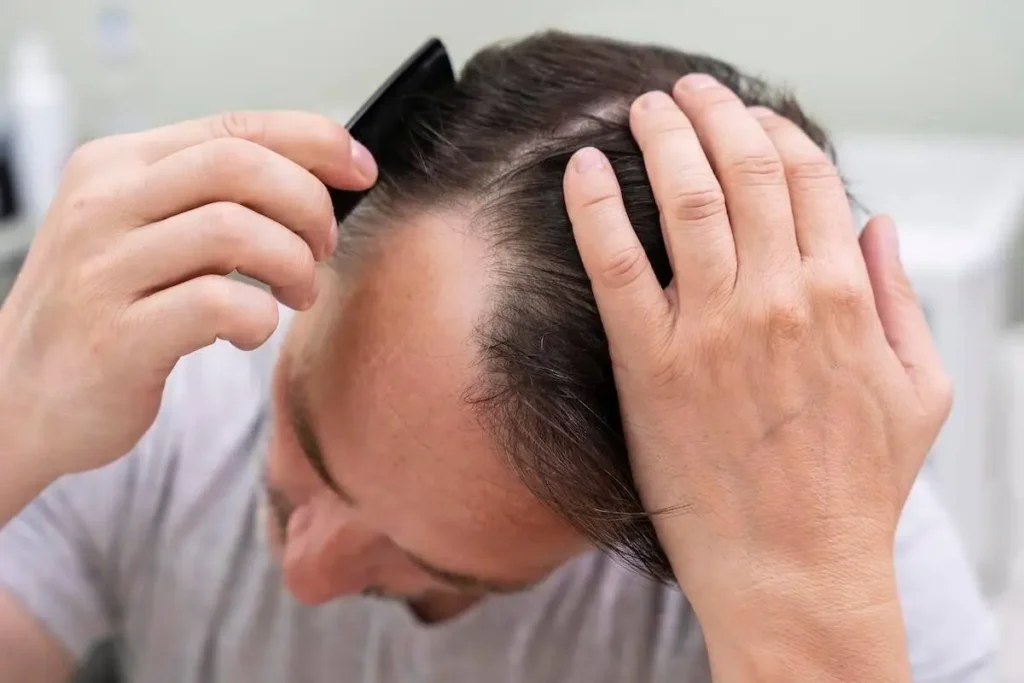
Key Phases of the Hair Cycle
- Anagen – Active growth lasting 2‑7 years.
- Catagen – Transitional phase lasting 2‑3 weeks.
- Telogen – Resting phase lasting about 3 months before shedding.
Typical Timeline of Thinning
When the anagen phase shortens, hairs become finer and break more easily, creating the appearance of thin hair. Conversely, an extended telogen phase increases daily hair loss, often noticeable as clumps on pillows or in the shower.
| Phase | Duration | Impact on Thickness |
|---|---|---|
| Anagen | 2‑7 years | Full, strong strands |
| Catagen | 2‑3 weeks | Transition; minimal effect |
| Telogen | ~3 months | Increased shedding, potential thinning |
Clinicians at Gold City Medical Center assess the proportion of follicles in each phase using scalp microscopy, allowing targeted interventions that prolong the anagen stage and reduce telogen shedding.
Common Causes of Thin Hair
Answering the question “how do you get thin hair” involves looking at a range of internal and external factors. Below are the most frequent contributors, grouped by category.
Genetische en hormonale factoren
Androgenetic alopecia, often called male or female pattern baldness, is the leading cause of progressive thinning. It is driven by the hormone dihydrotestosterone (DHT), which shortens the anagen phase and miniaturizes follicles.
Medical Conditions and Medications
Conditions such as alopecia areata, thyroid disorders, and iron deficiency can trigger sudden hair loss. Certain medications—including anticoagulants, retinoids, and chemotherapy agents—also contribute to thinning.
Lifestyle and Environmental Influences
Excessive heat styling, tight hairstyles (traction alopecia), and poor nutrition are modifiable causes. Chronic stress elevates cortisol, which can push more follicles into the telogen phase.
- High‑sugar diet → insulin spikes → hormonal imbalance.
- Smoking → reduced scalp blood flow.
- Frequent bleaching → shaft damage and breakage.
Identifying which of these factors apply to you is the first step toward an effective treatment plan.
Medical Treatments for Thin Hair
When lifestyle changes are insufficient, medical interventions can address the underlying mechanisms that cause thinning. Below is a concise overview of evidence‑based options commonly offered at integrative clinics like Gold City Medical Center.
Topical and Oral Medications
Minoxidil (5% solution) is FDA‑approved for both men and women and works by extending the anagen phase. Finasteride, an oral DHT blocker, is effective for male pattern baldness but not recommended for women of childbearing age.
Platelet‑Rich Plasma (PRP) Therapy
PRP involves injecting concentrated platelets from your own blood into the scalp, delivering growth factors that stimulate follicle activity. Studies show a 30‑40% increase in hair density after three monthly sessions.
Hair Transplant Techniques
Follicular Unit Extraction (FUE) and Follicular Unit Transplantation (FUT) relocate healthy follicles from a donor area to thinning zones. Modern FUE offers minimal scarring and rapid recovery, making it a popular choice for those seeking permanent restoration.
| Behandeling | Mechanism | Typical Results | Recovery Time |
|---|---|---|---|
| Minoxidil | Vasodilation, prolonged anagen | Gradual thickening over 4‑6 months | None |
| Finasteride | DHT inhibition | Stabilization, modest regrowth | None |
| PRP | Growth factor delivery | 30‑40% density increase | 1‑2 days |
| FUE Transplant | Follicle relocation | Permanent, natural‑looking growth | 7‑10 days |
Each treatment is personalized after a thorough scalp analysis, ensuring the chosen approach aligns with the specific cause of thinning.
Lifestyle Strategies to Prevent Further Thinning
Even with medical treatment, supportive habits reinforce results and may reduce the need for invasive procedures. Below are practical steps that address the question “how do you get thin hair” from a preventive angle.
Nutrition for Stronger Strands
Key nutrients include biotin, zinc, iron, and omega‑3 fatty acids. Incorporate foods such as eggs, legumes, leafy greens, and fatty fish. A daily multivitamin formulated for hair health can fill gaps.
Scalp Care Routine
Gentle cleansing with a sulfate‑free shampoo reduces inflammation. Regular scalp massage stimulates blood flow, delivering oxygen and nutrients to follicles.
Stress Management
Mind‑body techniques—meditation, yoga, and regular exercise—lower cortisol levels, decreasing telogen‑induced shedding.
- Limit heat styling to 2‑3 times per week.
- Avoid tight ponytails or braids that cause traction alopecia.
- Sleep on silk pillowcases to reduce friction.
Combining these habits with professional guidance creates a comprehensive plan that tackles both the symptoms and the root causes of thin hair.
Wanneer professionele hulp zoeken?
If you notice rapid shedding, widening part lines, or bald spots, it is time to consult a specialist. Early intervention can halt progression and improve outcomes of treatments such as PRP or hair transplantation.
Red Flags Requiring Evaluation
- Sudden loss of more than 100 hairs per day.
- Patchy bald spots (possible alopecia areata).
- Persistent itching or scaling of the scalp.
- Accompanying symptoms like fatigue or weight changes.
Gold City Medical Center offers a comprehensive assessment that includes blood tests, scalp imaging, and a personalized treatment roadmap. Their integrative approach blends dermatology, nutrition, and advanced hair restoration techniques to address both cosmetic and medical aspects of thin hair.
Why Choose Gold City Medical Center
Gold City Medical Center combines cutting‑edge medical expertise with a holistic philosophy, delivering tailored solutions for hair thinning and loss. Our team of board‑certified dermatologists, trichologists, and hair transplant surgeons collaborates to create individualized plans that consider your health history, lifestyle, and aesthetic goals. With state‑of‑the‑art facilities and a commitment to patient‑centered care, we ensure safe, effective outcomes for every client.
Ready to transform your hair and confidence? Contact Gold City Medical Center today to schedule a comprehensive scalp evaluation and discover the most suitable treatment for your unique needs.
FAQ
What causes thin hair and how can it be identified?
Thin hair can result from genetic, hormonal, medical, nutritional, and lifestyle factors, and is identified by increased shedding, finer strands, and a receding hairline.
How does the hair growth cycle affect hair thickness?
The hair growth cycle’s three phases—anagen, catagen, and telogen—determine strand length and shedding; disruptions can lead to thinner hair.
What medical treatments are available for thinning hair?
Options include topical minoxidil, oral finasteride, platelet‑rich plasma (PRP) therapy, and hair transplant procedures like FUE and FUT.
Can lifestyle changes help prevent further hair thinning?
Yes; balanced nutrition, gentle scalp care, stress management, and avoiding damaging styling can reduce ongoing hair loss.
Wanneer moet ik professionele hulp zoeken voor haaruitval?
Consult a specialist if you notice rapid shedding, widening part lines, bald patches, or accompanying symptoms like fatigue.
What is PRP therapy and how effective is it for hair restoration?
PRP therapy injects concentrated platelets into the scalp to stimulate follicle activity, typically yielding a 30‑40% increase in density after several sessions.





