Many people ask what causes rapid hair loss and seek quick answers to stop the shedding. In this article we explore the most common medical, lifestyle, and hormonal triggers that can lead to a noticeable and swift reduction in hair density. Recognizing the underlying cause is essential because treatment strategies differ dramatically depending on the root issue.
According to recent dermatology surveys, up to 30% of individuals experiencing sudden hair thinning report that the problem began within weeks of a stressful event, medication change, or health shift. This rapid timeline often creates anxiety, but understanding the science can empower you to take appropriate action.
We will examine specific conditions such as alopecia areata, telogen effluvium, and hormonal imbalances, discuss lifestyle factors like extreme dieting and stress, and outline when professional evaluation is warranted. By the end of this guide, you’ll have a clear roadmap for identifying the cause of your rapid hair loss and the next steps toward recovery.
Medical Conditions That Trigger Rapid Hair Loss
Several medical disorders can cause a sudden increase in hair shedding, often within a matter of weeks. These conditions typically disrupt the normal hair growth cycle, pushing follicles into the resting (telogen) phase prematurely.
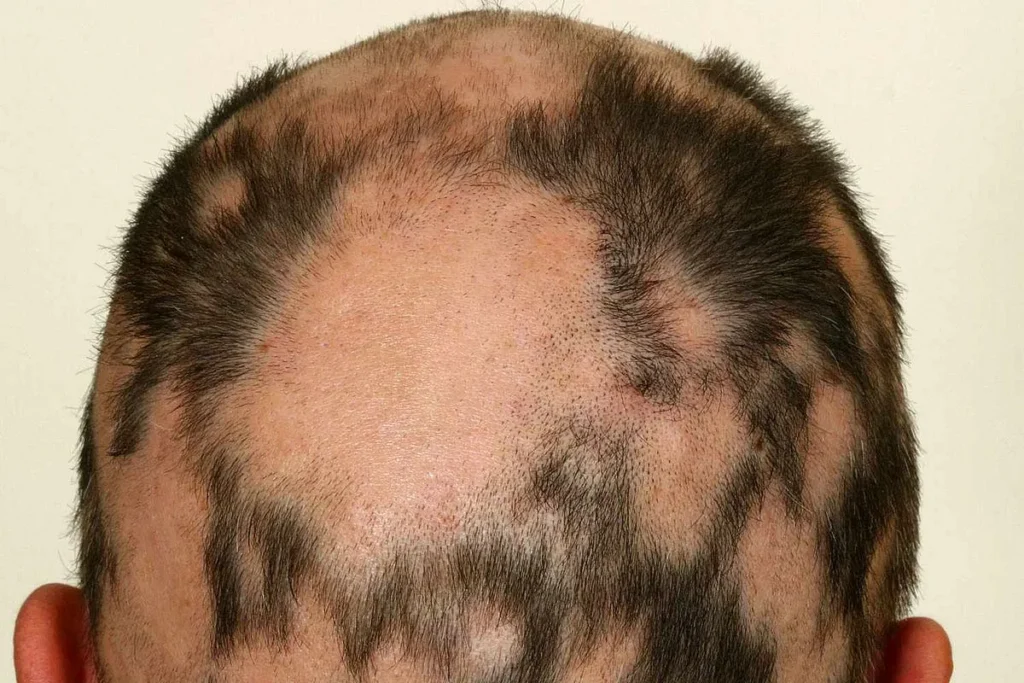
Alopecia Areata
Alopecia areata is an autoimmune condition where the immune system attacks hair follicles, leading to smooth, round patches of baldness. While it can appear gradually, some patients notice rapid hair loss over a few days.
Telogeen Effluvium
Telogen effluvium occurs when a large number of hair follicles enter the telogen phase simultaneously. Common triggers include high fever, major surgery, or severe emotional stress.
Schildklieraandoeningen
Both hyperthyroidism and hypothyroidism can disturb hormone balance, resulting in quick hair thinning. Symptoms often accompany other signs such as weight changes, fatigue, or temperature sensitivity.
Autoimmune Diseases
Conditions like lupus or psoriasis may involve systemic inflammation that affects the scalp, accelerating hair loss.
- Autoimmune attack on follicles (Alopecia areata)
- Systemic stress on the hair cycle (Telogen effluvium)
- Hormonal imbalance (Thyroid disorders)
- Inflammatory skin conditions (Lupus, psoriasis)
| Condition | Typical Onset | Key Symptoms |
|---|---|---|
| Alopecia Areata | Days to weeks | Round bald patches, smooth scalp |
| Telogeen Effluvium | 2–3 months after trigger | Diffuse thinning, increased shedding |
| Thyroid Disorder | Variable | Weight change, fatigue, temperature sensitivity |
| Autoimmune Disease | Variable | Skin rashes, joint pain, systemic signs |
Lifestyle Factors and Sudden Hair Shedding
Beyond medical diagnoses, everyday habits can accelerate hair loss dramatically. When the body is subjected to extreme stressors, it often redirects resources away from non‑essential functions like hair growth.
Stress and Emotional Trauma
Acute psychological stress triggers the release of cortisol, which can push hair follicles into the telogen phase, resulting in rapid shedding known as stress‑induced telogen effluvium.
Rapid Weight Loss and Crash Diets
Severe caloric restriction deprives hair follicles of essential nutrients such as iron, zinc, and biotin. This nutritional deficit can cause a noticeable drop in hair density within weeks.
Smoking and Excessive Alcohol
Both smoking and heavy alcohol consumption impair blood circulation to the scalp, reducing oxygen and nutrient delivery to follicles.
Harsh Hair Styling
Frequent use of tight ponytails, braids, or heat styling can create traction alopecia, a form of hair loss that can become rapid if the stress is continuous.
- High cortisol levels from stress
- Insufficient nutrients from crash diets
- Reduced scalp circulation due to smoking/alcohol
- Mechanical damage from tight hairstyles
Medications and Treatments That May Lead to Quick Hair Loss
Many prescription and over‑the‑counter drugs list hair loss as a possible side effect. When the underlying condition requires medication, it is crucial to weigh the benefits against the risk of sudden hair shedding.
Chemotherapy and Cancer Treatments
Agents that target rapidly dividing cells also affect hair matrix cells, often causing complete hair loss within weeks of the first infusion.
Anticoagulants and Blood Thinners
Drugs such as warfarin or heparin can interfere with the hair growth cycle, leading to diffuse thinning.
Retinoids and Vitamin A Overdose
High doses of isotretinoin (commonly used for severe acne) and other retinoids have been linked to telogen effluvium.
Antidepressants and Hormonal Therapies
Selective serotonin reuptake inhibitors (SSRIs) and certain hormonal contraceptives may trigger hair shedding in susceptible individuals.
- Chemotherapy – rapid, often complete loss
- Blood thinners – diffuse thinning
- High‑dose Vitamin A – telogen shift
- SSRIs & hormonal meds – variable shedding
Hormonal Changes and Their Impact on Hair Growth
Hormones play a pivotal role in regulating the hair growth cycle. Sudden shifts, whether due to life stages or endocrine disorders, can precipitate rapid hair loss.
Androgenic Alopecia
Often called male or female pattern baldness, this condition is driven by dihydrotestosterone (DHT). While typically gradual, a sudden increase in DHT levels can accelerate shedding.
Pregnancy and Post‑Partum Changes
During pregnancy, estrogen prolongs the growth phase, but after delivery, estrogen levels drop sharply, causing many women to lose hair within the first three months postpartum.
Menopause and Perimenopause
The decline in estrogen and relative rise in androgens during menopause can lead to a noticeable increase in hair thinning.
Polycystic Ovary Syndrome (PCOS)
PCOS is associated with elevated androgen levels, which can trigger rapid hair loss, especially on the crown and frontal scalp.
- DHT surge – accelerated androgenic alopecia
- Post‑partum estrogen drop – telogen shift
- Menopausal hormone imbalance – diffuse thinning
- PCOS – androgen‑driven shedding
When to Seek Professional Help and Diagnostic Steps
If you notice sudden hair loss that persists beyond a few weeks, it is advisable to consult a specialist. Early diagnosis can prevent further shedding and guide effective treatment.
Initial Clinical Evaluation
A dermatologist or trichologist will examine the scalp, assess pattern of loss, and ask detailed medical and lifestyle questions.
Laboratory Tests
Blood work can reveal thyroid dysfunction, iron deficiency, vitamin D deficiency, or hormonal imbalances that may be driving rapid shedding.
Scalp Biopsy and Trichoscopy
In ambiguous cases, a small scalp biopsy examined under a microscope can differentiate between alopecia areata, scarring alopecia, and other conditions.
Treatment Planning
Based on the findings, a personalized plan may include topical minoxidil, oral finasteride, corticosteroid injections, nutritional supplementation, or lifestyle modifications.
- Professional scalp examination
- Blood tests for thyroid, iron, hormones
- Trichoscopy or biopsy for definitive diagnosis
- Tailored treatment regimen
Why Choose Gold City Medical Center
Gold City Medical Center combines cutting‑edge medical expertise with a holistic approach to hair health. Our team of certified dermatologists, trichologists, and hair transplant specialists offers comprehensive diagnostics, personalized treatment plans, and state‑of‑the‑art procedures. Whether you are dealing with sudden shedding, chronic thinning, or seeking restoration, we provide evidence‑based solutions tailored to your unique needs.
Our integrative clinic emphasizes patient education, ensuring you understand the cause of your rapid hair loss and the steps required for recovery. With a reputation for excellence in both medical and aesthetic care, Gold City Medical Center is a trusted partner on your journey to healthier hair.
Ready to uncover the cause of your rapid hair loss and start a targeted treatment plan? Contact Gold City Medical Center today to schedule a comprehensive scalp assessment and take the first step toward regaining confidence.
FAQ
What are the most common medical conditions that cause rapid hair loss?
Alopecia areata, telogen effluvium, and thyroid disorders are the most frequent medical triggers.
How does stress lead to sudden hair shedding?
Stress raises cortisol levels, pushing follicles into the telogen phase and causing rapid shedding.
Can crash diets cause rapid hair loss, and why?
Yes; severe calorie restriction deprives follicles of essential nutrients, leading to quick thinning.
Which medications are known to trigger quick hair loss?
Chemotherapy, anticoagulants, high‑dose vitamin A, and certain antidepressants or hormonal therapies can cause rapid shedding.
How do hormonal changes like pregnancy or menopause affect hair loss?
Hormonal shifts alter the growth phase; postpartum estrogen drop and menopausal androgen rise can cause rapid thinning.
When should I see a dermatologist for rapid hair loss?
If shedding persists beyond a few weeks or is accompanied by other symptoms, schedule a professional evaluation.





