When hair density dwindles, a thin hair transplant offers a precise solution to regain fullness and self‑esteem. This article explains how the procedure works, which techniques suit low‑density scalp, and what results you can expect. In the Netherlands, over 12 % of adults report noticeable thinning, making early intervention increasingly important.
We will explore the science behind thin hair, compare transplant methods, walk through the step‑by‑step process, and outline after‑care that maximises graft survival. Whether you are a man noticing a receding hairline or a woman dealing with diffuse thinning, understanding these details helps you decide if a transplant aligns with your goals.
By the end of this guide, you’ll have a clear picture of how modern hair restoration can transform thin‑haired areas into a natural‑looking, lasting result.
Understanding Thin Hair and When a Transplant Is Needed
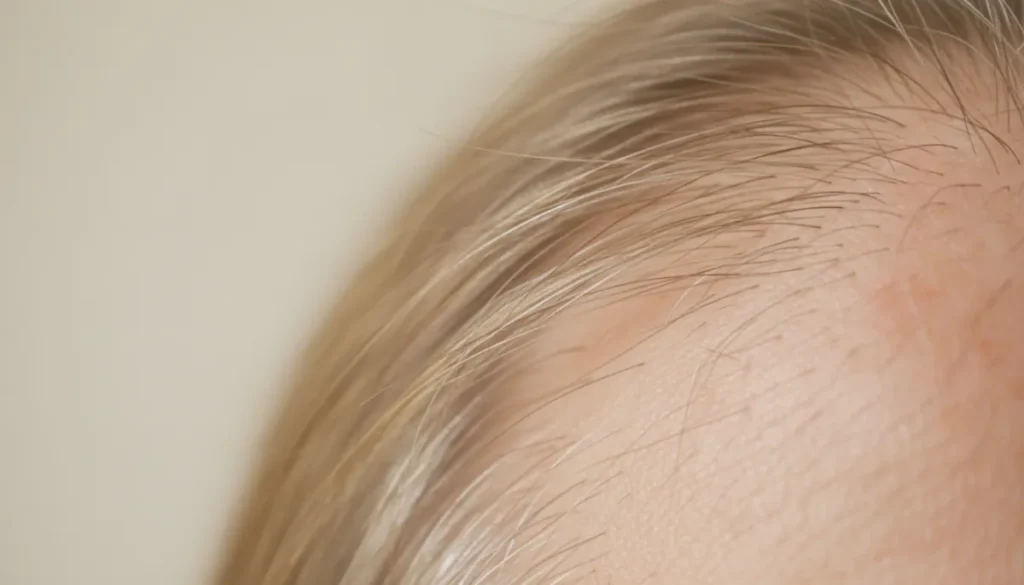
Thin hair is characterized by a reduced number of follicles per square centimeter, often creating a translucent appearance. Unlike complete baldness, the scalp remains covered, but the visual density is insufficient for a full look.
What Is Thin Hair?
Thin hair typically exhibits:
- Fewer than 80 follicular units per cm²
- Fine, low‑diameter shafts
- Visible scalp in bright lighting
Common Causes of Diffuse Thinning
Understanding the root cause guides treatment selection. Common contributors include:
- Genetic predisposition (androgenic alopecia)
- Hormonal changes, especially in women
- Stress‑related telogen effluvium
- Voedingstekorten
- Medical conditions such as thyroid disorders
| Feature | Dun haar | Normal Density |
|---|---|---|
| Follicles per cm² | ≤ 80 | > 100 |
| Hair shaft diameter | ≤ 0.05 mm | ≈ 0.07 mm |
| Scalp visibility | High | Low |
When thinning progresses beyond a certain threshold, a thin hair transplant can replenish lost follicles while preserving the natural hairline. The decision hinges on scalp laxity, donor area quality, and the patient’s aesthetic goals.
Choosing the Right Transplant Technique for Thin Hair
Not every method suits a scalp with limited density. The two primary approaches—Follicular Unit Extraction (FUE) and Strip (FUT)—offer distinct advantages for thin‑haired patients.
FUE vs. FUT for Low‑Density Scalp
- FUE: Individual follicles are harvested directly from the donor area, minimizing linear scarring and allowing precise placement in sparse zones.
- FUT: A strip of scalp is removed, yielding a higher graft count but leaving a linear scar, which can be problematic when donor hair is already thin.
| Technique | Littekenvorming | Graft Yield | Best For |
|---|---|---|---|
| FUE | Dot‑like, virtually invisible | Moderate | Thin donor area, women, patients desiring no linear scar |
| FUT | Linear scar | High | Extensive baldness, robust donor region |
For a thin hair transplant, many surgeons favour FUE because it preserves the limited donor supply and allows meticulous angulation that mimics natural growth patterns. In some cases, a combination—known as “Hybrid FUE/FUT”—can maximise graft numbers while keeping scars discreet.
The Thin Hair Transplant Procedure: What to Expect
The journey from consultation to final result is structured to minimise discomfort and optimise graft survival.
Key Steps in the Process
- Initial Evaluation: Scalp analysis, photography, and discussion of goals.
- Design Planning: Mapping of recipient sites to achieve natural density.
- Local Anesthesia: Numbing of donor and recipient areas.
- Follicle Extraction: Using FUE micro‑punches, individual grafts are harvested.
- Graft Preparation: Units are sorted by size (1‑4 hairs) for optimal placement.
- Implantation: Precise insertion at the correct angle and depth.
- Recovery Guidance: Post‑op instructions and follow‑up schedule.
| Phase | Typical Duration | Patient Experience |
|---|---|---|
| Consult | 30 min | Discussion of expectations, medical history |
| Extraction & Implantation | 6‑8 hrs | Local anesthesia, minimal pain |
| Immediate Recovery | 1‑2 days | Mild swelling, possible crusting |
| First Growth Phase | 2‑3 months | Shedding of transplanted hairs |
| Final Results | 9‑12 months | Full density and natural look |
Throughout the procedure, the surgeon focuses on preserving the existing thin hair while strategically placing new grafts to create a seamless blend. The entire process typically requires a single session for mild to moderate thinning.
Results, Longevity, and Aftercare for Thin Hair Transplants
One of the most common concerns is whether a thin hair transplant delivers permanent, natural results. The transplanted follicles retain the genetic characteristics of the donor site, meaning they continue to grow for a lifetime.
Factors Influencing Longevity
- Quality of donor hair (typically from the occipital scalp)
- Skillful placement respecting natural hair angles
- Post‑operative care and avoidance of trauma
- Underlying health conditions and ongoing hair loss
Studies show graft survival rates of 90 % or higher when proper aftercare is followed. While the transplanted hair is permanent, native thinning may continue, so many patients opt for maintenance treatments such as PRP or low‑level laser therapy.
| Time Post‑Op | Typical Observation | Recommended Care |
|---|---|---|
| 0‑2 weeks | Scalp may be tender, crusts form | Gentle washing, avoid sun |
| 2‑3 months | Shedding of transplanted hairs (shock loss) | Continue mild shampoo, no pulling |
| 4‑6 months | New hair growth appears | Balanced diet, consider topical minoxidil |
| 9‑12 months | Full density achieved | Regular check‑ups, optional PRP |
By adhering to the aftercare plan, patients maximize the durability of their thin hair transplant and maintain a natural appearance for years to come.
Frequently Overlooked Considerations for Women with Thin Hair
While hair transplantation has traditionally been associated with men, an increasing number of women seek solutions for diffuse thinning. A thin hair transplant can be tailored to female patterns, which often involve overall thinning rather than a distinct bald spot.
Key Differences in Female Cases
- Donor Area Availability: Women may have less robust donor hair, making FUE the preferred method.
- Pattern of Loss: Diffuse thinning requires a more scattered graft distribution.
- Hormonal Influence: Estrogen fluctuations can affect graft survival, so hormonal evaluation is recommended.
| Aspect | Male Typical | Female Typical |
|---|---|---|
| Loss Pattern | Receding hairline, crown | Overall thinning, frontal widening |
| Donor Quality | Often abundant | May be limited |
| Preferred Technique | FUE or FUT | FUE, often with lower graft count |
Women considering a thin hair transplant should discuss expectations, potential need for adjunct therapies, and realistic density outcomes. A collaborative plan with an experienced surgeon ensures that the final result respects feminine aesthetics while delivering lasting coverage.
Why Choose Gold City Medical Center
Gold City Medical Center combines cutting‑edge technology with a holistic approach to hair restoration. Our team of certified specialists tailors each thin hair transplant to the individual’s scalp characteristics, ensuring natural‑looking density and minimal downtime. With a focus on safety, precision, and patient comfort, we deliver results that integrate seamlessly with your lifestyle.
Ready to transform thin hair into a fuller, confident look? Contact Gold City Medical Center today to schedule a personalized consultation and take the first step toward lasting results.
FAQ
What is a thin hair transplant?
A thin hair transplant is a specialized procedure that moves individual hair follicles to areas of low density to increase scalp coverage.
Who is a good candidate for a thin hair transplant?
Individuals with low hair density, visible scalp, and sufficient donor hair are ideal candidates.
What are the differences between FUE and FUT for thin hair?
FUE extracts individual follicles with minimal scarring, while FUT removes a strip of scalp for higher graft yield but leaves a linear scar.
What is the recovery time after a thin hair transplant?
Most patients resume normal activities within 1‑2 days, with full results visible after 9‑12 months.
How long do the results of a thin hair transplant last?
Transplanted follicles are permanent, but native hair loss may continue, requiring maintenance.
Are there special considerations for women undergoing a thin hair transplant?
Yes, women often have less donor hair and diffuse thinning patterns, making FUE the preferred method.





