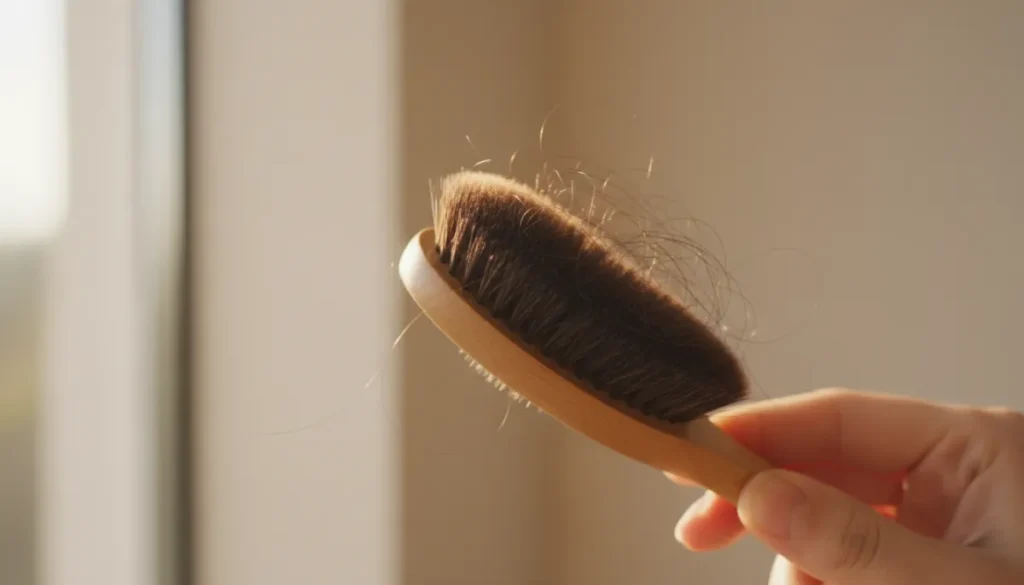
Many people wonder why does my hair fall out when i brush it. It can be unsettling to see clumps of hair on the brush after a gentle stroke, especially when you’re otherwise healthy. This article explains the physiological reasons behind hair shedding during brushing, identifies common triggers, and offers practical steps to reduce unnecessary loss. According to dermatological studies, the average person loses between 50 and 100 hairs per day, but excessive shedding can signal an underlying issue that deserves attention.
We’ll explore the anatomy of the hair follicle, differentiate normal shedding from pathological loss, and discuss lifestyle, hormonal, and medical factors that influence the phenomenon. Whether you’re a woman noticing thinning strands or a man experiencing early signs of balding, understanding the root causes empowers you to take informed action.
By the end of this guide, you’ll know how to distinguish harmless hair shedding from warning signs, what preventive measures you can adopt, and when a professional evaluation at Gold City Medical Center is the best next step.
Normal Hair Shedding vs. Problematic Hair Loss
Hair growth follows a cyclical pattern consisting of anagen (growth), catagen (transition), and telogen (resting) phases. During the telogen phase, hairs naturally detach and fall out—a process known as hair shedding. This is why a brush may collect a few strands each day.
- Typical daily loss: 50–100 hairs.
- Seasonal variation: Slightly higher shedding in autumn.
- Hair length: Longer hair may appear as larger clumps on the brush.
When shedding exceeds the normal range, it may indicate hair loss causes such as hormonal imbalance, nutritional deficiencies, or scalp conditions. Below is a quick comparison to help you assess whether your shedding is within a healthy limit.
| Indicator | Normal Shedding | Concerning Loss |
|---|---|---|
| Amount of hair on brush per day | 1–3 strands | More than 5 strands, especially in clumps |
| Hair density on scalp | Evenly distributed | Noticeable thinning, especially at crown or hairline |
| Associated symptoms | None | Itching, redness, or scaling |
If you notice a sudden increase in the number of hairs that come out when you brush, it’s time to investigate potential triggers.
Common Triggers That Increase Hair Shedding During Brushing
Several everyday factors can amplify the amount of hair that falls out when you brush. Understanding these triggers helps you adjust habits and reduce unnecessary loss.
Mechanical Stress
Using a brush with harsh bristles or applying excessive force can tug at the hair shaft, pulling out strands that are already in the telogen phase. Opt for a brush with soft, flexible bristles and gentle strokes, especially on wet hair, which is more vulnerable.
Hormonale veranderingen
Fluctuations in estrogen, progesterone, and thyroid hormones are among the most frequent causes of hair loss in women. Pregnancy, postpartum periods, menopause, and thyroid disorders can all lead to increased shedding. Women often report that hair falls out more noticeably when brushing during these hormonal shifts.
Voedingstekorten
Insufficient intake of iron, zinc, biotin, and protein can weaken hair follicles, making them more prone to breakage and shedding. A balanced diet rich in leafy greens, lean meats, nuts, and whole grains supports healthy hair growth.
Scalp Health Issues
Conditions such as seborrheic dermatitis, psoriasis, or fungal infections cause inflammation and scaling, which can weaken hair attachment. When the scalp is irritated, brushing may dislodge more hairs than usual.
Stress and Lifestyle
Physical or emotional stress can trigger telogen effluvium, a temporary form of hair loss where a larger proportion of hairs enter the resting phase. High-stress periods often correlate with noticeable hair fall when brushing.
Addressing these triggers—by choosing the right brush, balancing hormones, improving nutrition, maintaining scalp health, and managing stress—can dramatically reduce the amount of hair that falls out during brushing.
Medical Conditions That May Cause Excessive Hair Fall When Brushed
When brushing reveals more hair than expected, it can be a sign of an underlying medical condition. Below are some of the most common disorders linked to increased hair shedding.
Alopecia Areata
This autoimmune condition causes sudden, patchy hair loss. Even if the patches are small, the affected hairs often fall out easily when brushed.
Schildklieraandoeningen
Both hypothyroidism and hyperthyroidism disrupt the hair growth cycle, leading to diffuse thinning and increased shedding. Women with thyroid imbalance frequently notice more hair on their brush.
Iron-Deficiency Anemia
Iron is essential for hemoglobin production, which supplies oxygen to hair follicles. Low iron levels can cause telogen effluvium, resulting in noticeable hair fall during brushing.
Polycystic Ovary Syndrome (PCOS)
PCOS leads to elevated androgen levels, which can miniaturize hair follicles and cause androgenic alopecia. Women with PCOS often report that their hair falls out more readily when they brush.
Bijwerkingen van medicijnen
Some prescription drugs—including anticoagulants, beta‑blockers, and retinoids—list hair loss as a side effect. If you’ve started a new medication and notice increased shedding, consult your physician.
Identifying a medical cause early allows for targeted treatment. Gold City Medical Center offers comprehensive diagnostic services, including blood tests, scalp examinations, and personalized treatment plans.
Practical Strategies to Reduce Hair Loss While Brushing
Even if you’re not dealing with a serious medical issue, adopting gentle hair‑care habits can minimize the amount of hair that falls out during brushing.
- Choose the right brush: Use a wide‑tooth comb or a brush with soft, flexible bristles, especially on wet hair.
- Brush gently: Start at the ends and work upward to avoid pulling on the roots.
- Condition regularly: A good conditioner reduces friction and helps the brush glide smoothly.
- Limit heat styling: Excessive heat weakens hair fibers, making them more prone to breakage.
- Maintain a balanced diet: Include iron‑rich foods, omega‑3 fatty acids, and biotin to support follicle health.
- Manage stress: Practices like meditation, exercise, or yoga can lower cortisol levels that trigger telogen effluvium.
In addition to these habits, consider periodic scalp massages with essential oils (such as rosemary or peppermint) to stimulate blood flow. While these measures can improve overall hair health, they are not a substitute for professional evaluation if shedding persists.
When to Seek Professional Help at Gold City Medical Center
If you notice any of the following, it’s advisable to schedule a consultation:
- Hair loss exceeds 100 strands per day or appears in large clumps.
- Sudden thinning on the crown, temples, or hairline.
- Accompanying symptoms such as itching, redness, or scalp scaling.
- Persistent shedding despite adopting gentle hair‑care practices.
- Known medical conditions (thyroid, anemia, PCOS) that could affect hair.
Gold City Medical Center offers a comprehensive approach that combines medical diagnostics with advanced hair restoration techniques. Our specialists can perform:
- Detailed scalp analysis using dermoscopy.
- Laboratory tests to assess hormone levels, iron status, and thyroid function.
- Personalized treatment plans, including topical therapies, nutritional supplements, and, when appropriate, hair transplant procedures.
Early intervention increases the likelihood of successful hair regrowth and helps prevent permanent thinning. Our integrative model ensures that both the underlying cause and cosmetic outcomes are addressed.
Why Choose Gold City Medical Center
Gold City Medical Center combines medical expertise with aesthetic precision, offering a holistic solution for hair loss concerns. Our team of dermatologists, trichologists, and cosmetic surgeons works together to diagnose the root cause of shedding and deliver tailored treatments, from nutritional counseling to state‑of‑the‑art hair transplantation. With a patient‑centered approach, we prioritize safety, effectiveness, and natural‑looking results.
Ready to stop worrying about hair loss when you brush? Contact Gold City Medical Center today for a personalized assessment and take the first step toward healthier, fuller hair.
Call us or fill out our online appointment form to schedule your consultation now.
FAQ
Why does my hair fall out when I brush it?
Hair can be pulled out during brushing when it is already in the telogen (resting) phase, making it easier to detach from the follicle.
How much hair shedding is considered normal each day?
The average person loses 50 to 100 hairs per day as part of the normal hair cycle.
What common triggers increase hair loss while brushing?
Mechanical stress, hormonal changes, nutritional deficiencies, scalp conditions, and stress are the main triggers.
Which medical conditions can cause excessive hair shedding when brushed?
Alopecia areata, thyroid disorders, iron‑deficiency anemia, PCOS, and certain medications can cause excess shedding.
How can I prevent hair loss while brushing my hair?
Use a soft‑bristle brush, brush gently, condition regularly, limit heat, eat a balanced diet, and manage stress.
When should I see a doctor for hair shedding?
If you lose more than 100 hairs daily, notice sudden thinning, have scalp symptoms, or shedding persists despite care, seek medical help.





