Finding a stress free balance in today’s fast‑paced world often feels like an impossible goal, but with the right strategies it becomes attainable. This article explores evidence‑based methods to reduce tension, improve mental wellbeing, and create lasting calm. Did you know that chronic stress contributes to more than 60% of all health‑related visits in primary care? Understanding why stress builds up and how to dismantle it is the first step toward a healthier, more relaxed you.
We will cover the science behind stress, practical management techniques, daily relaxation habits, nutrition choices that support a calm nervous system, and when professional help is essential. By the end of this guide, you’ll have a toolbox of actionable steps to make each day feel more manageable and, ultimately, more stress free.
Whether you are a busy professional, a student, or anyone looking to improve their quality of life, the principles outlined here can be adapted to fit any schedule. Let’s begin the journey toward lasting peace of mind.
Stress en de impact ervan begrijpen
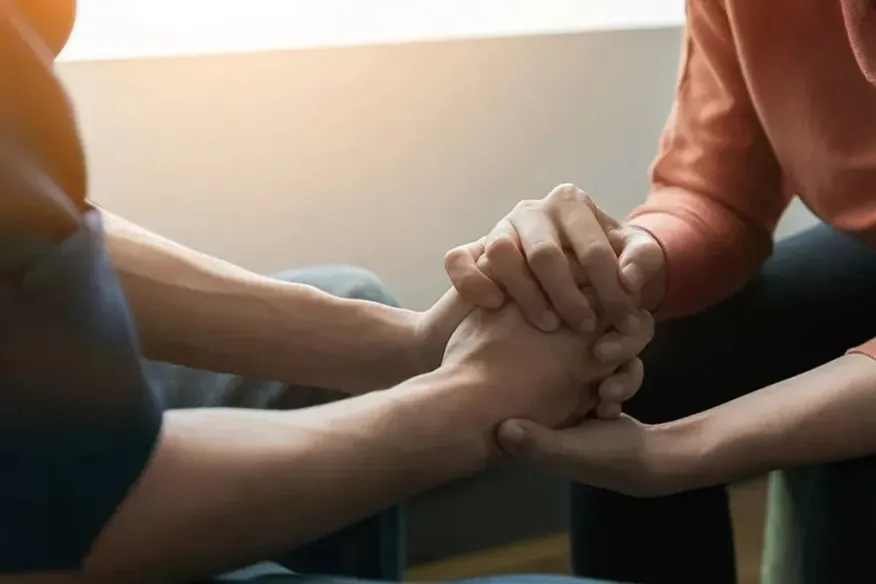
Stress is the body’s natural response to perceived threats, triggering the “fight or flight” cascade of hormones such as cortisol and adrenaline. While short‑term stress can boost focus and performance, prolonged exposure leads to a host of issues including hypertension, weakened immunity, and anxiety disorders.
Key signs of chronic stress include:
- Persistent fatigue or low energy
- Sleep disturbances or insomnia
- Frequent headaches or muscle tension
- Moeite met concentreren
- Elevated blood pressure
Below is a quick comparison of acute versus chronic stress:
| Aspect | Acute Stress | Chronic Stress |
|---|---|---|
| Duration | Minutes to hours | Weeks to years |
| Hormone Levels | Brief spikes | Consistently elevated |
| Physical Effects | Increased heart rate, alertness | Cardiovascular strain, immune suppression |
| Mental Effects | Heightened focus | Anxiety, depression, burnout |
Recognizing these patterns is essential for effective stressbeheer. Once you identify the signs, you can intervene before they cascade into more serious health problems.
Effective Stress Management Techniques
There are numerous evidence‑based techniques that help lower cortisol levels and promote a sense of calm. Below are some of the most effective methods, each supported by scientific research and widely recommended by mental health professionals.
1. Mindfulness Meditation – Spending just 10 minutes a day focusing on breath can reduce anxiety by up to 30%.
2. Progressive Muscle Relaxation – Systematically tensing and releasing muscle groups eases physical tension.
3. Controlled Breathing (4‑7‑8 technique) – Inhaling for 4 seconds, holding for 7, exhaling for 8 helps reset the nervous system.
4. Physical Activity – Moderate exercise releases endorphins, acting as natural stress relievers.
5. Cognitive Reframing – Shifting perspective on stressful events reduces emotional impact.
To help you choose the right approach, consider the following comparison:
| Technique | Time Required | Primary Benefit | Best For |
|---|---|---|---|
| Mindfulness Meditation | 5–10 min daily | Reduced anxiety | Office workers, students |
| Progressieve spierontspanning | 15 min per session | Physical tension release | People with chronic pain |
| Controlled Breathing | 2–5 min as needed | Instant calm | High‑pressure situations |
| Physical Activity | 30 min most days | Endorphin boost | General wellness |
| Cognitive Reframing | Variable | Improved outlook | Negative thought patterns |
Integrating at least two of these practices into your weekly routine can dramatically increase your chances of maintaining a stress free mindset.
Incorporating Relaxation Practices Into Daily Routine
Consistency is key when it comes to reducing stress over the long term. Small, repeatable actions woven into your day create a cumulative calming effect.
Morning Rituals
- 5‑minute breathing exercise right after waking
- Brief gratitude journaling (3 items)
- Light stretching or a short walk
Midday Breaks
- 10‑minute mindful walk outdoors
- Progressive muscle relaxation at your desk
- Healthy snack rich in omega‑3s (e.g., walnuts)
Evening Wind‑Down
- Screen‑free time at least 30 minutes before bed
- Warm bath with Epsom salts
- Reading or gentle yoga
Here is a concise schedule that blends these habits:
| Time of Day | Activity | Duration | Purpose |
|---|---|---|---|
| 06:30 am | Breathing exercise | 5 min | Activate parasympathetic system |
| 07:00 am | Gratitude journal | 5 min | Positive mindset |
| 12:00 pm | Mindful walk | 10 min | Break mental fatigue |
| 03:00 pm | Progressieve spierontspanning | 5 min | Release tension |
| 09:30 pm | Screen‑free reading | 30 min | Prepare for restful sleep |
Adopting these micro‑habits helps you stay centered, making a stress free lifestyle feel natural rather than forced.
Nutrition and Lifestyle Choices for a Stress Free Body
What you eat directly influences how your body responds to stress. Certain nutrients help regulate cortisol, stabilize blood sugar, and support neurotransmitter production.
Key Stress‑Reducing Foods
- Fatty fish (salmon, mackerel) – rich in omega‑3 fatty acids
- Leafy greens (spinach, kale) – high in magnesium
- Berries – antioxidants that combat free radicals
- Whole grains – steady glucose levels
- Herbal teas (chamomile, green tea) – gentle calming effect
Conversely, limit caffeine, refined sugars, and processed snacks, as they can amplify cortisol spikes.
Below is a quick reference chart:
| Food Group | Stress‑Reducing Nutrient | Suggested Servings per Day |
|---|---|---|
| Fish | Omega‑3 | 2 servings |
| Leafy Greens | Magnesium | 3 cups |
| Berries | Antioxidants | 1 cup |
| Whole Grains | Complex Carbs | 3–4 servings |
| Herbal Tea | L‑theanine | 2 cups |
Pair these dietary habits with adequate hydration and regular sleep patterns to reinforce a stress free physiological environment.
Professional Support and When to Seek Help
While self‑help strategies are powerful, some individuals benefit from professional assistance. Recognizing when stress exceeds self‑management capacity is crucial.
Indicators that you may need expert help include:
- Persistent feelings of hopelessness or helplessness
- Physical symptoms that do not improve with lifestyle changes
- Disruption of work, school, or relationships
- Thoughts of self‑harm or suicide
Professional options include:
- Cognitive‑Behavioral Therapy (CBT) – Structured approach to reframe negative thought patterns.
- Mindfulness‑Based Stress Reduction (MBSR) – Group program combining meditation and yoga.
- Medication Management – Prescribed when anxiety or depression co‑occur with stress.
- Integrative Health Coaching – Holistic plans that blend nutrition, exercise, and stress techniques.
Choosing the right professional depends on personal preference, severity of symptoms, and insurance coverage. A qualified practitioner can tailor a plan that aligns with your goals, ensuring a sustainable, stress free future.
Why Choose Gold City Medical Center
Gold City Medical Center offers an integrative approach that blends medical expertise with holistic wellness. Our team includes physicians, mental‑health specialists, and certified wellness coaches who collaborate to create personalized stress‑management programs. Whether you seek counseling, nutritional guidance, or advanced therapies, we provide evidence‑based solutions in a comfortable, confidential environment. Trust a center that prioritizes your overall health and helps you achieve lasting calm.
Ready to start your journey toward a truly stress free life? Contact Gold City Medical Center today to schedule a personalized wellness consultation and discover the difference professional, integrative care can make.
FAQ
What are the main signs of chronic stress?
Common signs include persistent fatigue, sleep problems, frequent headaches, difficulty concentrating, and elevated blood pressure.
How does mindfulness meditation reduce stress?
Mindfulness meditation trains the brain to focus on the present moment, which lowers cortisol and calms the nervous system.
Which foods help lower cortisol levels?
Omega‑3 rich fish, leafy greens, berries, whole grains, and herbal teas are known to help regulate cortisol.
What is the 4‑7‑8 breathing technique and how does it work?
It is a controlled breathing pattern—inhale 4 seconds, hold 7 seconds, exhale 8 seconds—that quickly activates the relaxation response.
When should I seek professional help for stress?
If stress leads to hopelessness, persistent physical symptoms, major life disruption, or thoughts of self‑harm, professional help is recommended.
How can I incorporate relaxation habits into a busy schedule?
Use micro‑habits like brief breathing exercises, gratitude journaling, and short walks that fit into existing routines.

