Finding the best hair loss serum can feel like navigating a maze of promises and product claims. With hair thinning affecting millions worldwide, a targeted serum offers a non‑invasive way to support regrowth and strengthen existing strands. Recent studies suggest that up to 40 % of men and women experience noticeable improvement when using clinically proven serums consistently for three months. In this guide we’ll break down the science behind hair loss, highlight the ingredients that truly work, and show you how to select a serum that fits your lifestyle and goals.
We’ll explore the most common causes of hair thinning, compare top‑rated products, and provide practical tips on application and complementary treatments. Whether you’re battling early‑stage recession or looking to boost density after a transplant, understanding what makes a serum effective is essential for achieving lasting results.
Let’s dive in and discover which formulas stand out in a crowded market, and how Gold City Medical Center can support your journey toward fuller, healthier hair.
Understanding Hair Loss: Causes and Types
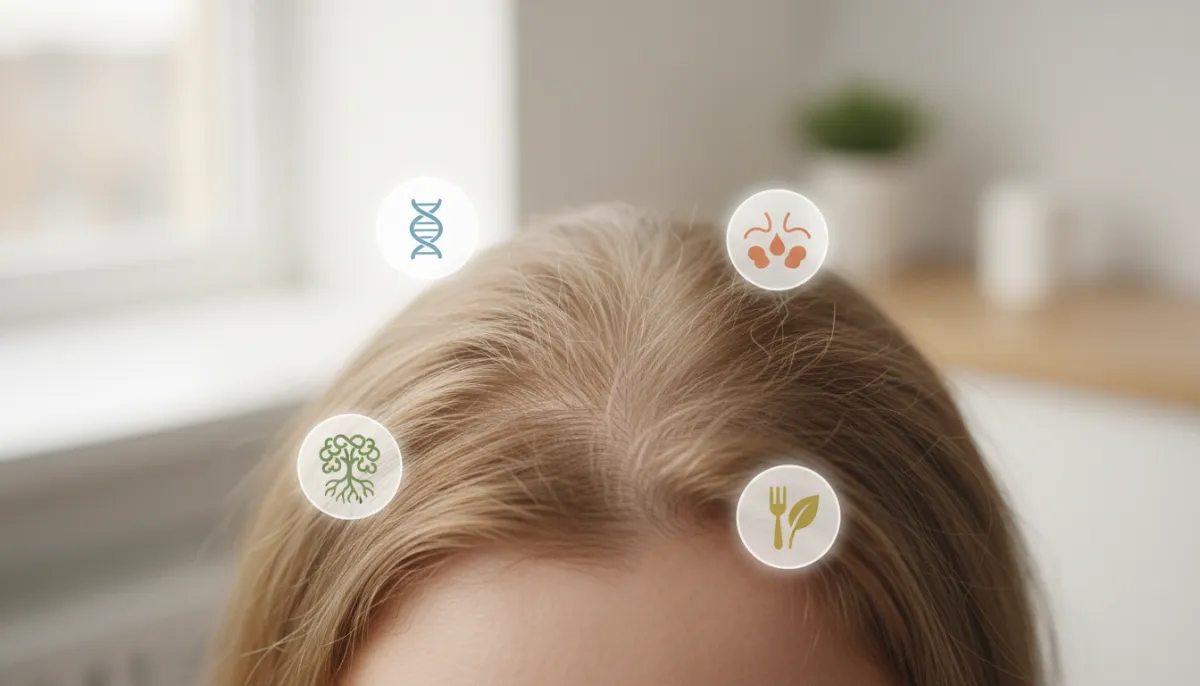
Hair loss is not a one‑size‑fits‑all condition; it stems from a variety of genetic, hormonal, and environmental factors. The most common form, androgenetic alopecia, often referred to as male or female pattern baldness, is driven by dihydrotestosterone (DHT) shrinking hair follicles over time. Other contributors include stress‑induced telogen effluvium, nutritional deficiencies, and autoimmune disorders such as alopecia areata.
Identifying the underlying cause is crucial before selecting a behandeling tegen haaruitval. For example, individuals with hormonal imbalances may benefit from DHT‑blocking agents, while those experiencing stress‑related shedding might see better results with nutrients that support the hair growth cycle. A thorough scalp analysis—something Gold City Medical Center offers as part of its integrative approach—helps pinpoint the exact trigger.
- Genetic factors: Inherited sensitivity to DHT.
- Hormonal changes: Pregnancy, menopause, thyroid issues.
- Nutritional gaps: Iron, zinc, and biotin deficiencies.
- Environmental stressors: Pollution, harsh styling products.
Understanding these categories guides you toward the most appropriate behandeling tegen haaruitval and sets realistic expectations for serum performance.
Key Ingredients to Look for in a Hair Loss Serum
Effective serums combine active ingredients that stimulate the hair follicle, improve scalp health, and protect against further damage. Below are the most researched components you’ll encounter when searching for the best hair loss serum:
Minoxidil
Originally approved as a topical solution, minoxidil is now incorporated into many serums for its proven ability to extend the anagen (growth) phase. It works by widening blood vessels, delivering more oxygen and nutrients to the follicle. While it’s most commonly marketed for men, recent formulations are gender‑neutral and can be used alongside other actives.
Peptide Complexes
Peptides such as copper tripeptide‑1 and biotinyl‑GHK act as signaling molecules that encourage keratin production and strengthen the hair shaft. The “multi‑peptide serum for hair density” from The Ordinary has gathered positive reviews for its lightweight feel and visible thickening after consistent use.
Botanical Extracts
Natural extracts like saw palmetto, rosemary, and caffeine have DHT‑blocking or circulation‑boosting properties. When combined with antioxidants like vitamin E, they help protect follicles from oxidative stress, a key factor in premature thinning.
| Ingredient | Primary Benefit | Typical Concentration |
|---|---|---|
| Minoxidil | Stimulates follicle activity | 2‑5 % |
| Copper Peptide‑1 | Enhances keratin synthesis | 0.5‑1 % |
| Rosemary Extract | Improves scalp circulation | 1‑3 % |
When evaluating a product, check the label for these ingredients and verify that they are present in clinically effective concentrations. A serum lacking a proven active component is unlikely to deliver noticeable regrowth.
Top‑Rated Hair Loss Serums for Men and Women
Below is a curated comparison of five leading serums that consistently rank high among professionals and users alike. Each product has been evaluated for ingredient potency, user experience, and overall efficacy.
- Serum A – Minoxidil Fusion: Combines 5 % minoxidil with a peptide blend, ideal for early‑stage androgenetic alopecia.
- Serum B – Botanical Boost: Features rosemary, caffeine, and saw palmetto; best for those preferring plant‑based formulas.
- Serum C – Multi‑Peptide Complex: Highlights copper peptide‑1 and biotinyl‑GHK; praised for rapid thickening.
- Serum D – Scalp Revitalizer: Includes hyaluronic acid for hydration and niacinamide for barrier support.
- Serum E – Advanced Growth Formula: Merges low‑dose minoxidil with growth factors, suitable for post‑transplant maintenance.
All five options meet the criteria of a hair growth serum that delivers measurable results when used as directed for at least three months. Choose based on your scalp sensitivity, preferred ingredient profile, and whether you plan to combine the serum with other treatments such as shampoos or supplements.
How to Apply and Maximize the Effectiveness of Your Serum
Proper application is as important as the formula itself. Follow these steps to ensure optimal absorption and results:
- Cleanse: Use a gentle, sulfate‑free shampoo to remove sebum and product buildup. This prepares the scalp for better penetration.
- Dry: Pat the scalp dry with a soft towel; excess moisture can dilute the serum.
- Measure: Apply the recommended dosage—usually 1‑2 ml—directly onto the thinning zones.
- Massage: Use circular motions for 30‑60 seconds to stimulate blood flow and aid distribution.
- Allow to Absorb: Wait at least 15 minutes before styling or applying additional products.
Consistency is key. Most clinicians, including those at Gold City Medical Center, recommend twice‑daily use for the first 12 weeks, followed by a maintenance schedule based on individual response.
For those using a hair growth shampoo alongside the serum, apply the shampoo first, rinse thoroughly, then proceed with the serum. This layered approach can enhance overall scalp health and reinforce the serum’s active ingredients.
Combining Serums with Complementary Treatments
While a high‑quality serum can be a standalone solution, many patients achieve faster and more robust results when pairing it with other proven modalities.
Hair Loss Shampoo
Formulas containing ketoconazole, biotin, or caffeine help maintain a clean scalp environment and can synergize with the serum’s active ingredients. Using a hair loss shampoo two to three times per week is generally sufficient.
Oral Supplements
Biotin, zinc, and marine‑derived omega‑3 fatty acids support the internal processes that drive hair growth. Clinical studies show that combining oral supplements with topical serums can improve density by up to 15 % compared to serum use alone.
Platelet‑Rich Plasma (PRP) Therapy
For patients seeking a more intensive approach, PRP injections stimulate dormant follicles and can amplify the effects of a serum regimen. Gold City Medical Center offers PRP as part of its integrative hair restoration program.
When integrating multiple products, always monitor for irritation. If redness or itching occurs, reduce frequency or consult a specialist to adjust the protocol.
What to Expect: Results Timeline and Safety Considerations
Patience and realistic expectations are essential. Most users notice reduced shedding within 4‑6 weeks, with visible thickening emerging after 12‑16 weeks of consistent use. Full results may take up to six months, especially for advanced thinning.
Safety is a priority. Common side effects of serums containing minoxidil include mild scalp irritation or dryness—issues usually resolved by adjusting application frequency or adding a soothing moisturizer. Peptide‑based formulas are generally well‑tolerated, though allergic reactions to botanical extracts can occur in sensitive individuals.
Before starting any regimen, a professional scalp assessment is advisable. Gold City Medical Center’s specialists can perform a detailed evaluation, recommend the most suitable serum, and design a personalized plan that aligns with your health profile.
Why Choose Gold City Medical Center
Gold City Medical Center combines cutting‑edge medical expertise with a holistic approach to hair restoration. Our team of dermatologists and trichologists offers personalized assessments, evidence‑based product recommendations, and advanced treatments such as PRP and hair transplantation. By integrating medical care with aesthetic expertise, we ensure that every client receives a comprehensive solution tailored to their unique needs.
Ready to revitalize your hair? Book a free scalp analysis with Gold City Medical Center today and discover the serum that’s right for you. Take the first step toward thicker, healthier hair—schedule your appointment now.
FAQ
Wat zijn de belangrijkste oorzaken van haaruitval?
Hair loss can result from genetics, hormonal changes, nutritional deficiencies, stress, and environmental factors.
Which ingredients are most effective in hair loss serums?
Key ingredients include minoxidil, copper peptide‑1, rosemary extract, and other DHT‑blocking botanicals.
How should I apply a hair loss serum for best results?
Apply to a clean, dry scalp, massage gently, and allow it to absorb before styling.
Can I combine a hair loss serum with other treatments?
Yes, serums can be paired with shampoos, oral supplements, and PRP therapy for synergistic effects.
How long does it take to see results from a hair loss serum?
Most users notice reduced shedding in 4‑6 weeks and visible thickening after 12‑16 weeks.
Are there any side effects of using minoxidil serums?
Common side effects are mild scalp irritation, dryness, or itching, which are usually manageable.
What is the difference between peptide serums and botanical serums?
Peptide serums focus on cellular signaling to boost keratin production, while botanical serums use plant extracts for DHT‑blocking and circulation benefits.





