Understanding how does botox work is essential for anyone considering this widely used cosmetic procedure. Botox, a purified form of botulinetoxine, temporarily relaxes facial muscles to smooth wrinkles and treat medical conditions such as chronic migraines. In this article we break down the science, typical uses, safety considerations, expected duration, and the patient experience, helping you make an informed decision.
Every year, millions of people worldwide choose Botox for its quick results and minimally invasive nature. According to recent surveys, over 70% of users report visible improvement within a week of treatment. Yet many remain curious about the underlying mechanism and what the procedure entails.
We’ll explore the biochemical pathway that blocks nerve signals, the common areas treated, the timeline of effects, and the precautions you should be aware of. By the end, you’ll have a clear picture of why Botox has become a cornerstone of modern aesthetic medicine.
The Science Behind Botox: How It Affects Nerve Signals
Botox’s effectiveness stems from its ability to interfere with the communication between nerves and muscles. The active ingredient, a purified protein derived from the bacterium Clostridium botulinum, targets the neuromuscular junction—the point where motor neurons release the neurotransmitter acetylcholine to trigger muscle contraction.
When injected in small, controlled doses, Botox binds to specific receptors on the nerve ending, preventing the release of acetylcholine. Without this chemical signal, the muscle remains relaxed, leading to a reduction in the appearance of dynamic wrinkles that form during facial expressions.
Key steps in the mechanism are:
- Attachment: Botox molecules attach to presynaptic nerve terminals.
- Internalisation: The toxin is taken into the nerve cell via endocytosis.
- Cleavage: The light chain of the toxin cleaves SNARE proteins essential for vesicle fusion.
- Blockage: Acetylcholine release is halted, preventing muscle contraction.
- Recovery: Over time, nerve terminals regenerate, restoring normal function.
Below is a comparison of Botox with other neurotoxins used in medicine:
| Property | Botox (OnabotulinumtoxinA) | Xeomin (IncobotulinumtoxinA) | Dysport (AbobotulinumtoxinA) |
|---|---|---|---|
| Protein Complex Size | Large (150 kDa) | Pure toxin (150 kDa) | Large (150 kDa) |
| Onset of Action | 3‑5 days | 3‑5 days | 2‑4 days |
| Peak Effect | 1‑2 weeks | 1‑2 weeks | 1‑2 weeks |
| Duration | 3‑4 months | 3‑4 months | 3‑4 months |
Understanding this process clarifies why Botox produces a gradual, yet noticeable, smoothing effect, typically evident within a few days after injection.
Common Cosmetic Uses and Expected Results
Botox is most renowned for its ability to soften facial lines caused by repeated muscle movement. The most frequently treated areas include:
- Voorhoofdrimpels
- Glabellar (between‑brow) frown lines
- Kraaienpootjes rond de ogen
- Horizontal neck bands
- Masseter muscle for jaw slimming
Each treatment zone follows a similar timeline: results begin to appear within 3‑5 days, peak at about 10‑14 days, and can last up to four months depending on individual factors.
The table below outlines typical onset, peak, and duration for the most common cosmetic indications:
| Treatment Area | Onset (Days) | Peak (Days) | Duration (Months) |
|---|---|---|---|
| Voorhoofdrimpels | 3‑5 | 10‑14 | 3‑4 |
| Glabellar frown lines | 3‑5 | 7‑10 | 3‑4 |
| Crow’s feet | 4‑7 | 10‑14 | 3‑4 |
| Neck bands | 5‑7 | 14‑21 | 3‑5 |
| Masseter reduction | 7‑10 | 14‑28 | 6‑12 |
Patients often combine Botox with other aesthetic procedures, such as dermal fillers, to achieve a more comprehensive rejuvenation. However, the core benefit remains the temporary relaxation of targeted muscles, delivering a smoother, more youthful appearance without surgery.
Safety Profile and Potential Side Effects
When administered by a qualified professional, Botox is considered safe and well‑tolerated. Nevertheless, understanding the possible side effects helps set realistic expectations.
Common, mild reactions include:
- Transient redness or swelling at the injection site
- Minor bruising
- Temporary headache
- Slight drooping of nearby muscles (usually resolves within weeks)
Rare but more serious complications can occur, such as:
- Allergic reactions (e.g., rash, itching)
- Difficulty swallowing or breathing if the toxin spreads beyond the intended area
- Botulism‑like symptoms, though extremely uncommon with cosmetic doses
Key factors that influence safety include the injector’s expertise, dosage accuracy, and patient medical history. Individuals with neuromuscular disorders, pregnancy, or certain medications should discuss risks with their clinician before proceeding.
Frequency of side effects based on clinical data:
| Side Effect | Incidence |
|---|---|
| Injection site bruising | 5‑10% |
| Transient headache | 2‑5% |
| Temporary muscle weakness | 1‑2% |
| Allergic reaction | <0.1% |
Choosing an experienced practitioner, such as those at Gold City Medical Center, significantly reduces the likelihood of adverse events and ensures optimal results.
Duration of Results and Maintenance Schedule
One of the most frequent questions patients ask is “how long does botox last?” The answer varies, but on average the effects persist for three to four months. Several factors influence longevity:
- Metabolic rate and individual muscle activity
- Dosage and injection technique
- Age and skin elasticity
- Lifestyle habits such as smoking or excessive sun exposure
To maintain a consistent appearance, many patients schedule follow‑up appointments every 3‑4 months. Over time, some individuals notice that the interval can be extended as the treated muscles become conditioned to reduced activity.
Below is a maintenance timeline that outlines typical touch‑up intervals and what to expect at each stage:
| Time Since Injection | Typical Observation | Recommended Action |
|---|---|---|
| 0‑2 weeks | Onset and gradual improvement | Observe, no intervention needed |
| 2‑4 weeks | Peak effect achieved | Assess satisfaction |
| 3‑4 months | Gradual fading begins | Plan next appointment |
| 5‑6 months | Most effect faded | Consider touch‑up or alternative treatments |
Regular maintenance not only sustains the aesthetic benefit but can also reduce the required dosage over time, as muscles become less prone to over‑activity.
What to Expect During a Botox Appointment
A typical Botox session is quick, usually lasting 10‑20 minutes, and requires minimal preparation. The process includes:
Pre‑Treatment Consultation
The practitioner reviews medical history, discusses desired outcomes, and maps out injection points. This step ensures a personalised plan and addresses any concerns about safety or contraindications.
Injection Procedure
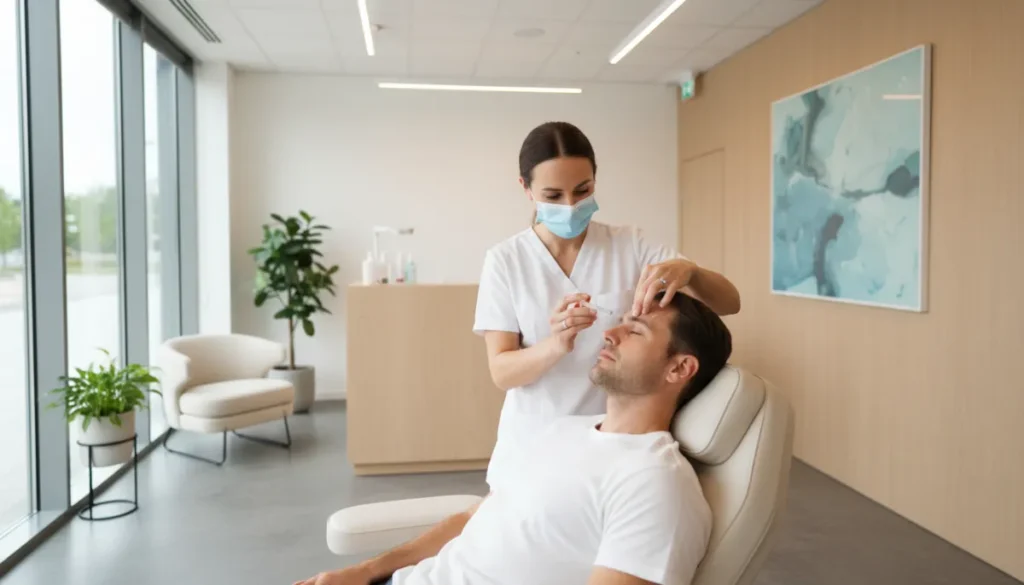
Using a fine 30‑gauge needle, the clinician injects precise amounts of Botox into the targeted muscles. Most patients describe the sensation as a mild pinprick; topical anesthetic creams can be used if needed.
Post‑Treatment Care
After injection, patients are advised to remain upright for about four hours and avoid strenuous facial movements, heavy exercise, or excessive heat for the remainder of the day. Applying a cool compress can minimise swelling.
Here is a concise checklist for optimal after‑care:
- Avoid rubbing the treated area for at least 6 hours.
- Stay hydrated and maintain a balanced diet.
- Refrain from alcohol and blood‑thinning supplements for 24 hours.
- Schedule a follow‑up visit if you notice unexpected side effects.
Most patients resume normal activities immediately, making Botox a convenient option for those with busy lifestyles.
Why Choose Gold City Medical Center
Gold City Medical Center combines advanced medical expertise with a holistic approach to aesthetic care. Our certified specialists have extensive experience in administering Botox safely and achieving natural‑looking results. We prioritize patient comfort, use state‑of‑the‑art equipment, and follow stringent safety protocols to minimise risks. Whether you seek wrinkle reduction, migraine relief, or facial contouring, our integrative services are tailored to your unique goals, ensuring a confident and refreshed appearance.
Ready to discover how Botox can enhance your natural beauty? Contact Gold City Medical Center today to schedule a personalized consultation and take the first step toward smoother, younger‑looking skin.
FAQ
How does Botox work?
Botox temporarily blocks the release of acetylcholine at the neuromuscular junction, preventing muscle contraction and smoothing wrinkles.
How long does Botox last?
The effects typically last three to four months, though individual factors can extend or shorten this period.
Wat zijn de meest voorkomende bijwerkingen van Botox?
Most side effects are mild, including temporary redness, swelling, bruising, headache, or slight drooping of nearby muscles.
What should I expect during a Botox appointment?
A typical session lasts 10‑20 minutes, includes a brief consultation, precise injections with a fine needle, and simple after‑care instructions.
Is Botox safe for cosmetic use?
When administered by a qualified professional, Botox is considered safe and well‑tolerated for cosmetic purposes.
Which facial areas can be treated with Botox?
Common treatment zones include forehead lines, glabellar frown lines, crow’s feet, neck bands, and the masseter muscle for jaw slimming.





