Understanding how are hair plugs done is essential for anyone considering this classic hair restoration method. In this article we break down each stage of the procedure, compare it with modern techniques, and outline what patients can expect before, during, and after surgery. Hair loss affects millions worldwide, and choosing the right treatment can restore confidence and natural appearance. Recent surveys show that over 30 % of adults experience noticeable thinning by age 35, prompting many to explore options such as hair plugs, follicular unit extraction (FUE), and other hair transplant solutions.
We begin with a brief overview of hair plugs, then walk through the step‑by‑step process, discuss recovery, and compare costs and outcomes. Whether you are curious about the historic plug method or looking for the most up‑to‑date hair restoration approach, this guide equips you with the facts you need to make an informed decision.
By the end of this guide you will understand the technical details, the recovery timeline, and the factors that influence the overall success of a hair plug transplant.
The Basics of Hair Plug Transplantation
Hair plugs are one of the earliest forms of hair restoration, dating back to the 1950s. Hair plugs involve removing small circular grafts from a donor area—typically the back of the scalp—and implanting them directly into balding zones. Each plug contains several hair follicles, which later grow new hair in the recipient site.
What Are Hair Plugs?
Hair plugs are small, round tissue cylinders about 1 mm in diameter. They differ from modern grafts, which are usually linear and much finer. The plugs are harvested using a punch tool, then placed in pre‑drilled holes on the scalp where hair loss is present.
Historical Evolution
The plug technique was popularized by Dr. Norman Orentreich, who demonstrated that transplanted hair can thrive in new locations. Over time, the method evolved into more refined approaches such as follicular unit transplantation (FUT) and follicular unit extraction (FUE), which provide a more natural look.
- 1950s – Introduction of basic plug method
- 1970s – Development of strip harvesting (FUT)
- 2000s – Rise of individual follicle extraction (FUE)
- Today – Integration of advanced imaging and robotics
Step-by-Step Procedure: How Are Hair Plugs Done?
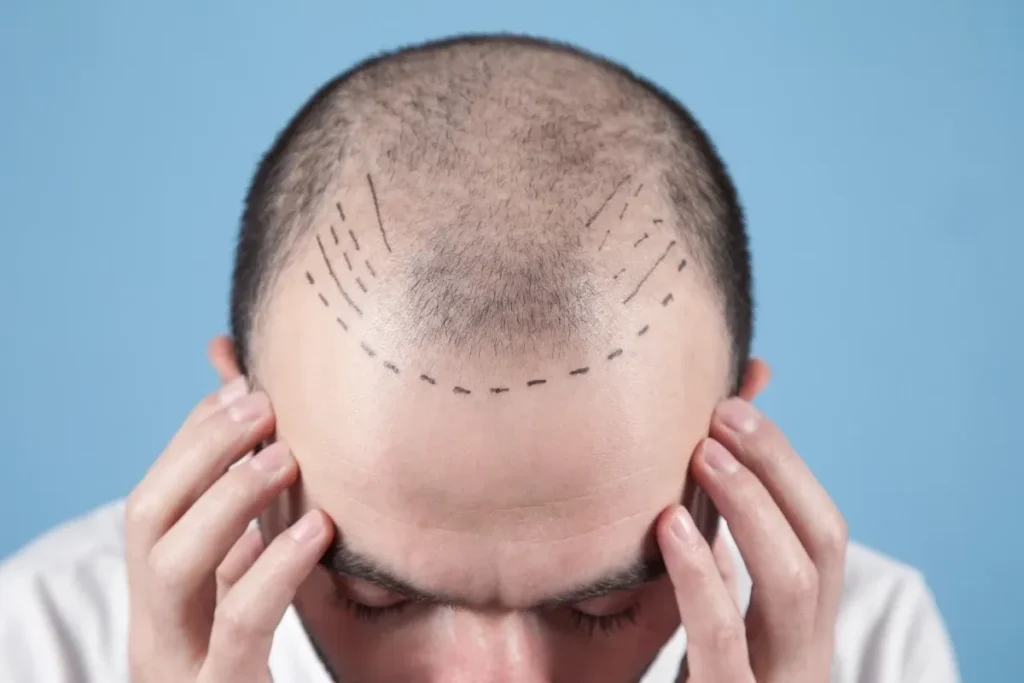
The question how are hair plugs done can be answered by outlining the three main phases: donor preparation, graft extraction, and implantation. While the overall concept is straightforward, each step requires meticulous attention to detail to ensure graft viability and optimal aesthetic results.
1. Donor Area Preparation
The surgeon first trims the hair in the donor region to a short length, usually 2–3 mm. This allows clear visualization of the scalp and precise placement of the punch tool. Local anesthesia is administered to keep the patient comfortable throughout the procedure.
2. Extraction of Follicular Units
Using a small circular punch (often 0.8–1.0 mm), the surgeon removes the plug grafts. Each plug may contain 2–4 hair follicles. The extracted plugs are immediately placed in a chilled storage solution to preserve cell health.
3. Implantation Technique
Recipient sites are created by making tiny incisions with a needle or blade, spaced according to the desired hair density. The surgeon then inserts each plug into its corresponding hole, aligning the graft’s natural growth direction with the surrounding hair.
| Aspect | Haarpluggen | FUE (Follicular Unit Extraction) | FUT (Strip Harvest) |
|---|---|---|---|
| Graft Size | 1 mm circular | 0.8–1.0 mm individual follicles | 2–4 mm strip |
| Scar Visibility | Small dots | Minimal, scattered | Linear scar |
| Natural Appearance | Less natural, “pluggy” look | High naturalness | High naturalness |
| Recovery Time | 7–10 days | 10–14 days | 10–14 days |
Overall, the phrase how are hair plugs done encapsulates a method that, while effective, has largely been superseded by finer graft techniques offering superior aesthetic outcomes.
Recovery and Aftercare: What to Expect
Post‑operative care is crucial for graft survival and optimal hair growth. Patients should follow a structured aftercare plan to minimize complications and promote healing.
Immediate Post‑Procedure Care
After the surgery, the scalp may be tender, and tiny scabs form around each plug site. The surgeon typically prescribes antibiotics and anti‑inflammatory medication to reduce infection risk and swelling.
Growth Timeline
Hair plugs follow a predictable growth cycle. Shedding of the transplanted hairs often occurs within the first 2–3 weeks, followed by new growth starting around month 3 and continuing up to month 12. Full results are usually visible after one year.
- Week 1: Scabbing and mild redness
- Weeks 2–4: Shedding of transplanted hairs
- Months 3–6: Early regrowth, fine hairs appear
- Months 9–12: Thickening and natural density
During the recovery period, patients should avoid strenuous exercise, direct sun exposure, and hair‑pulling activities. Gentle shampooing with a mild, sulfate‑free cleanser is usually permitted after 48 hours, but the surgeon will provide specific instructions.
Choosing the Right Technique: Hair Plugs vs Modern Transplants
When deciding between hair plugs and newer methods such as FUE or FUT, several factors influence the final outcome. Understanding the advantages and limitations of each technique helps patients select the most suitable option for their hair loss pattern and aesthetic goals.
Key Comparison Points
| Criteria | Haarpluggen | FUE | FUT |
|---|---|---|---|
| Density Achievable | Moderate | High | High |
| Littekenvorming | Visible dots | Minimal | Linear |
| Session Length | 2–4 hours | 4–8 hours | 6–10 hours |
| Cost (average) | Lower | Higher | Similar to FUE |
While hair plugs were once the standard, many patients now prefer follicular unit extraction for its natural appearance and minimal scarring. However, hair plugs can still be a viable choice for those seeking a quicker, less expensive solution, especially when covering larger bald areas where a dense, uniform look is less critical.
Cost Factors and Frequently Asked Questions
The cost of hair plug surgery varies based on several elements, including the number of grafts required, the surgeon’s expertise, and the clinic’s location. On average, the price of hair plugs ranges from €1,500 to €3,500, whereas modern FUE procedures can cost €3,000 to €8,000 depending on graft volume.
What Influences the Price?
- Number of grafts: More plugs mean higher material and labor costs.
- Clinic reputation: Established centers with advanced technology often charge premium rates.
- Geographic region: Prices differ between metropolitan and regional locations.
- Additional services: Pre‑operative imaging, post‑operative medications, and follow‑up visits may be bundled.
Common Questions
- Are hair plugs permanent? Yes, transplanted follicles are typically resistant to balding.
- Do hair plugs look natural? Early plug methods produced a “pluggy” appearance; modern refinements improve naturalness but still lag behind FUE.
- How many sessions are needed? Most patients achieve satisfactory coverage in one session, though some may require a second for optimal density.
Why Choose Gold City Medical Center for Hair Restoration
Gold City Medical Center combines decades of medical expertise with cutting‑edge aesthetic technology. Our integrative approach ensures that every hair transplant—whether using classic plugs or the latest FUE methods—is tailored to the individual’s unique scalp characteristics and cosmetic goals. Patients benefit from a multidisciplinary team, state‑of‑the‑art facilities, and a commitment to safety and natural results. Trust a center that prioritizes both health and appearance, delivering lasting confidence through personalized hair restoration.
Ready to restore your hair and confidence? Contact Gold City Medical Center today to schedule a personalized consultation and discover the most suitable solution for your needs. Take the first step toward a fuller, natural‑looking hairstyle now.
FAQ
How are hair plugs done?
Hair plugs are harvested from the donor area with a punch tool, stored chilled, and implanted into pre‑drilled recipient sites on the scalp.
What is the recovery timeline for hair plugs?
Scabbing occurs in the first week, shedding of transplanted hairs in weeks 2‑4, early regrowth from month 3, and full results by about 12 months.
Are hair plugs permanent?
Yes, transplanted follicles are generally resistant to future balding because they retain the donor area’s genetic characteristics.
How much do hair plugs cost?
Prices typically range from €1,500 to €3,500, depending on graft number, clinic reputation, and geographic location.
What are the differences between hair plugs and FUE?
Hair plugs use larger, circular grafts that can look “pluggy,” while FUE extracts individual follicles for a more natural appearance and minimal scarring.
How many sessions are needed for hair plugs?
Most patients achieve satisfactory coverage in a single session; a second session may be required for higher density or larger bald areas.