A long hair transplant offers a comprehensive solution for individuals seeking natural‑looking density and coverage across an extended scalp area. This article explains the procedure, its advantages, recovery expectations, and how Gold City Medical Center ensures optimal outcomes.
Hair loss affects millions worldwide, and the demand for reliable restoration methods continues to rise. According to recent industry reports, over 30 % of adults experience noticeable thinning by age 35, prompting many to explore advanced transplant techniques.
In the following sections, we will explore the science behind the long hair transplant, compare it with traditional methods, outline the after‑care process, and address common concerns such as cost and potential risks. Whether you are considering your first procedure or evaluating options after a previous transplant, this guide provides the essential information to make an informed decision.
Understanding the Long Hair Transplant Procedure
The long hair transplant is an extension of standard haartransplantatie that targets a larger surface area, often combining multiple donor zones to achieve fuller results. Unlike conventional short‑graft methods, this approach utilizes longer follicular units, allowing surgeons to cover broader regions with fewer extraction sites.
How It Differs from Standard Transplants
Traditional hair restoration typically extracts grafts measuring 1–2 mm in length. In contrast, the long hair transplant harvests grafts up to 3–4 mm, preserving a greater number of hair follicles per unit. This yields several benefits:
- Reduced donor site trauma.
- Higher density per session.
- More natural hair orientation.
Techniques Used (FUE, DHI, and Others)
Modern clinics employ refined techniques such as Follicular Unit Extraction (FUE) and Direct Hair Implantation (DHI) to maximize graft viability. Both methods minimize scarring and support precise placement of longer grafts.
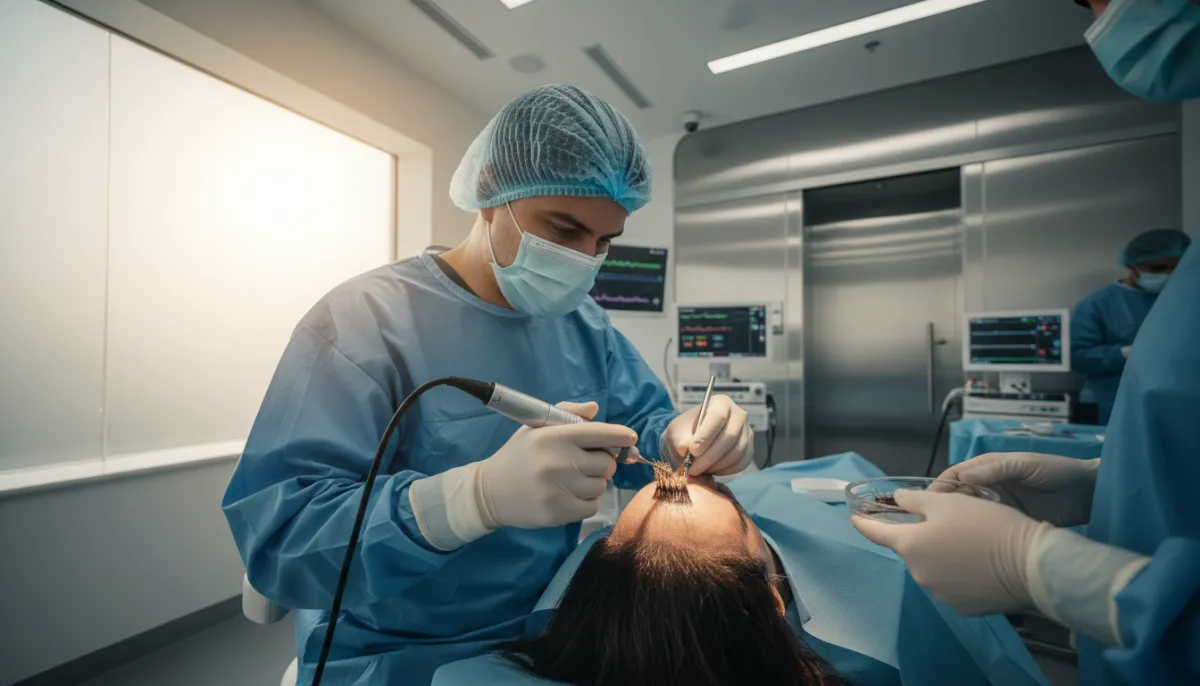
Typical steps of a long hair transplant include:
- Consultation and scalp analysis.
- Donor area mapping and anesthesia administration.
- Extraction of long follicular units using micro‑punch tools.
- Graft preparation and preservation in a specialized solution.
- Implantation of grafts with controlled angle and depth.
- Post‑procedure dressing and immediate after‑care instructions.
Benefits of Choosing a Long Hair Transplant
Opting for a long hair transplant provides several distinct advantages over shorter‑graft procedures. Patients often experience faster visual results and a more robust long‑term outcome.
Key benefits include:
- Higher density per session: Longer grafts contain more follicles, reducing the number of required sessions.
- Improved graft survival: The extended length protects the hair shaft during implantation.
- Natural hair flow: Longer grafts mimic the natural direction of existing hair, creating a seamless blend.
- Reduced donor site visibility: Fewer extraction points mean less noticeable scarring.
- Versatility for various hair types: Effective for both straight and curly hair textures.
For patients concerned about extensive coverage, the long hair transplant can address larger balding zones while maintaining a discreet donor profile.
Recovery Timeline and Aftercare Guidelines
Understanding the recovery process is essential for achieving optimal results. While individual experiences vary, most patients follow a predictable timeline.
| Phase | Days Post‑Procedure | Key Care Actions |
|---|---|---|
| Immediate | 0‑2 | Gentle scalp washing, avoid touching grafts, wear loose headgear. |
| Early Healing | 3‑14 | Apply prescribed topical solutions, limit sun exposure, avoid strenuous activity. |
| Growth Phase | 15‑90 | Expect shedding of transplanted hairs, maintain proper nutrition, follow follow‑up visits. |
| Final Results | 90‑180 | Observe mature hair growth, assess density, discuss any further enhancements. |
Patients are typically advised to avoid wearing tight hats for the first two weeks and to refrain from intense workouts for at least ten days. Proper aftercare reduces the risk of infection and supports graft integration.
Potential Risks and How to Minimize Them
Like any surgical intervention, a long hair transplant carries potential risks. Awareness and proactive management are key to minimizing complications.
Common risks include:
- Temporary scalp soreness or swelling.
- Minor bleeding at donor or recipient sites.
- Graft shock loss during the initial shedding phase.
- Infection if proper hygiene is not maintained.
- Rare instances of folliculitis or scarring.
To reduce these risks, Gold City Medical Center follows strict protocols:
- Pre‑procedure medical screening to identify contraindications.
- Use of sterile, single‑use instruments.
- Application of advanced antimicrobial solutions.
- Personalized after‑care plans with clear instructions.
- Scheduled follow‑up appointments to monitor healing.
Patients who adhere to the recommended aftercare regimen experience higher graft survival rates and smoother recovery.
Cost Considerations and Financing Options
Understanding the financial aspect of a long hair transplant helps patients plan realistically. Costs vary based on the number of grafts, technique, and geographic location.
| Service | Average Price (EUR) | Notes |
|---|---|---|
| Initial Consultation | 150‑250 | Includes scalp analysis and treatment plan. |
| Long Hair Transplant (per 1,000 grafts) | 3,500‑5,000 | Price reflects use of long follicular units and advanced techniques. |
| Medication & Aftercare Kit | 100‑200 | Topical solutions, protective shampoos, and follow‑up visits. |
| Financing Packages | Variable | Monthly installments with low interest rates. |
Gold City Medical Center offers flexible payment plans and works with reputable financing partners to make the procedure accessible. Patients can discuss personalized budgeting during the initial consultation.
Why Choose Gold City Medical Center
Gold City Medical Center combines cutting‑edge technology with a holistic approach to hair restoration. Our team of certified specialists has extensive experience in long hair transplant procedures, ensuring high graft survival and natural results. We prioritize patient safety, personalized care, and continuous post‑procedure support, making us a trusted partner for lasting hair confidence.
Ready to restore your hair with a long hair transplant? Contact Gold City Medical Center today to schedule your personalized consultation and take the first step toward a fuller, natural look.
Call us or fill out the online form—our experts are here to guide you through every stage of the journey.
FAQ
What is a long hair transplant and how does it differ from standard hair transplants?
A long hair transplant uses grafts 3–4 mm long, compared with the 1–2 mm grafts of standard transplants, allowing higher density and natural hair flow.
Which techniques are commonly used for long hair transplants?
Clinics usually employ FUE (Follicular Unit Extraction) and DHI (Direct Hair Implantation) to place long grafts with precision and minimal scarring.
What are the main benefits of choosing a long hair transplant?
Higher density per session, better graft survival, natural hair flow, fewer donor site scars, and suitability for various hair types.
What does the recovery timeline look like after a long hair transplant?
Recovery is typically divided into immediate (0‑2 days), early healing (3‑14 days), growth phase (15‑90 days), and final results (90‑180 days).
What risks are associated with a long hair transplant and how can they be minimized?
Risks include scalp soreness, minor bleeding, graft shock loss, infection, and rare scarring; they are minimized through strict protocols, sterile tools, and personalized after‑care.
How much does a long hair transplant cost and are financing options available?
Prices range from €3,500‑€5,000 per 1,000 grafts; clinics often offer flexible financing and installment plans.





