Finding a reliable answer to how to fix a receding hairline can feel overwhelming, especially when the market is flooded with quick‑fix promises. This article breaks down the science, the realistic treatment paths, and the long‑term care strategies that truly make a difference.
Hairline recession affects roughly 30 % of men by age 35 and an increasing number of women, often starting as a subtle thinning at the temples. Early intervention can halt further loss and even restore density, which is why understanding the underlying causes is essential.
We’ll explore why the hairline recedes, the non‑surgical options you can start today, when surgical solutions become the most effective, and how to keep the results looking natural for years. Whether you’re a young adult noticing the first signs or someone dealing with mature hairline changes, the information here is tailored to guide you toward the best choice for your unique situation.
Understanding the Causes of a Receding Hairline
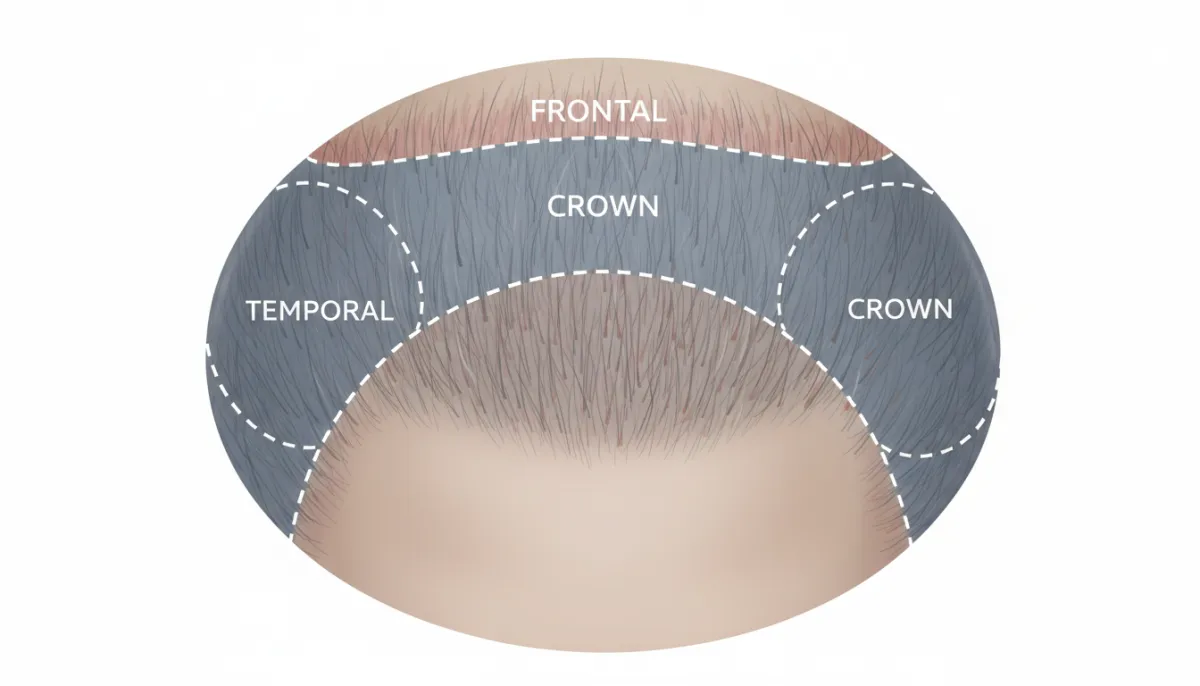
A clear picture of why a hairline recedes is the foundation for any successful treatment plan. Genetics play a major role, but hormonal shifts, stress, nutrition, and scalp health also contribute to the pattern known as frontal baldness or a mature hairline.
Key factors include:
- Androgen‑sensitive follicles that shrink over time, often leading to a receding hairline in men.
- Hormonal fluctuations in women, especially during menopause, which can cause a thinning hairline.
- Chronic stress that disrupts the hair growth cycle, resulting in telogen effluvium at the front of the scalp.
- Insufficient nutrients such as iron, vitamin D, and biotin, which are crucial for follicular strength.
Recognizing these triggers helps you decide whether lifestyle adjustments or medical interventions are needed. For example, early receding hairline in teens is often linked to stress and diet, while a gradual recession in a 40‑year‑old male may indicate a genetic predisposition.
Non‑Surgical Treatments and Lifestyle Adjustments
Before considering surgery, many people ask how to fix a receding hairline using less invasive methods. These approaches focus on slowing progression, stimulating dormant follicles, and improving overall scalp health.
Topical and Oral Medications
- Minoxidil: Proven to regrow hair in the front area for both men and women; typically applied twice daily.
- Finasteride (for men): Reduces DHT levels, the hormone most responsible for follicle miniaturization.
- Low‑dose oral supplements containing biotin, zinc, and marine collagen can support keratin production.
Low‑Level Laser Therapy (LLLT) devices emit red light that boosts cellular metabolism in hair follicles, encouraging growth without medication.
Lifestyle Strategies
- Stress management through meditation, regular exercise, and adequate sleep (7‑9 hours).
- Balanced diet rich in lean proteins, omega‑3 fatty acids, and antioxidants.
- Avoiding harsh hairstyles that pull on the hairline, such as tight ponytails or braids.
While these methods can be effective for early‑stage recession, results typically appear after 3‑6 months of consistent use. Combining minoxidil with lifestyle changes often yields the most noticeable improvement for a thinning hairline.
When Surgical Options Are the Best Choice
If the recession has progressed beyond the point where medication can rebuild density, many wonder how to fix a receding hairline surgically. Modern hair transplant techniques offer natural‑looking, permanent results for both men and women.
Folliculaire Eenheidsextractie (FUE) removes individual grafts from the donor area (usually the back of the head) and implants them directly into the thinning front zone. This method leaves minimal scarring and allows rapid healing.
Follicular Unit Transplantation (FUT) involves harvesting a strip of scalp, dissecting it into grafts, and placing them along the hairline. FUT can provide a higher graft count in a single session, which is beneficial for extensive frontal baldness.
| Feature | FUE | FUT |
|---|---|---|
| Littekenvorming | Tiny dot scars, virtually invisible | Linear scar, may be visible if hair is short |
| Recovery Time | 5‑7 days | 10‑14 days |
| Graft Yield | Lower per session | Higher per session |
| Best For | Patients who prefer short hairstyles | Patients needing large volume restoration |
Both methods can correct a receding hairline in men and women, but the choice depends on hair density, scalp laxity, and personal aesthetic goals. A thorough consultation with a certified specialist will determine the optimal plan.
Maintaining Results and Long‑Term Care
After you have taken steps to fix a receding hairline, whether through medication, laser therapy, or surgery, maintenance is crucial to preserve the new growth.
Post‑Procedure Care
- Follow the surgeon’s instructions on washing and protecting grafts for the first two weeks.
- Use a gentle, sulfate‑free shampoo to avoid irritation.
- Apply a prescribed topical serum containing growth factors to enhance graft survival.
Ongoing Lifestyle Support
- Continue a nutrient‑rich diet; consider a daily multivitamin with zinc and vitamin D.
- Maintain stress‑reduction practices; chronic cortisol spikes can undermine hair health.
- Schedule regular check‑ups with your hair restoration specialist to monitor progress.
Most patients experience the best long‑term outcomes when they combine professional treatment with consistent at‑home care. Even after a successful transplant, a small proportion of grafts may miniaturize over time, so early detection of any new recession is essential.
Myths and Common Misconceptions About Hairline Restoration
Many people hold outdated beliefs that can hinder effective treatment. Debunking these myths helps you make informed decisions about how to fix a receding hairline.
Myth 1: Only men suffer from a receding hairline. While androgenic alopecia is more common in men, women experience a “female pattern” recession, especially at the temples, and can benefit from the same advanced therapies.
Myth 2: Shaving the head will stop hair loss. Cutting hair short does not affect the hormonal mechanisms that cause follicle shrinkage.
Myth 3: Over‑the‑counter shampoos can fully reverse a receding hairline. Most cosmetic products provide temporary thickening but lack the active ingredients needed for true regrowth.
Myth 4: Once you start minoxidil, you must use it forever. Some patients can transition to maintenance regimes after achieving satisfactory density, especially when combined with lifestyle improvements.
Understanding the truth behind these statements empowers you to choose evidence‑based solutions rather than quick‑fix gimmicks.
Why Choose Gold City Medical Center
Gold City Medical Center combines cutting‑edge hair restoration technology with a holistic approach to health and beauty. Our team of certified transplant surgeons and dermatologists tailors each plan to the individual’s scalp condition, lifestyle, and aesthetic goals. By integrating medical expertise with personalized after‑care, we ensure lasting, natural results for both men and women seeking to fix a receding hairline.
Ready to take the first step toward a fuller, confident hairline? Contact Gold City Medical Center today to schedule a confidential consultation and discover the most effective solution for you.
FAQ
What are the main causes of a receding hairline?
Genetics, hormonal changes, chronic stress, poor nutrition, and scalp health issues are the primary contributors.
How effective is minoxidil for treating a receding hairline?
Minoxidil can stimulate regrowth in the frontal area for many users, especially when combined with lifestyle changes.
What is the difference between FUE and FUT hair transplant methods?
FUE extracts individual grafts with minimal scarring; FUT removes a strip of scalp for higher graft yield but leaves a linear scar.
Can lifestyle changes help stop a receding hairline?
Yes, improving diet, managing stress, and avoiding harsh hairstyles can slow or halt progression.
Hoe lang duurt het voordat ik resultaat zie na een haartransplantatie?
Initial shedding occurs within weeks, with visible new growth typically appearing after 3‑4 months and full maturation by 12‑18 months.
What are common myths about fixing a receding hairline?
Myths include that only men are affected, shaving stops loss, OTC shampoos can fully reverse it, and minoxidil must be used forever.





