Alopecia areata steroid therapy has become a cornerstone in managing this unpredictable autoimmune condition. In this article we explore how steroids work, the differences between topical and injectable forms, potential side effects, and how they can be combined with other hair restoration methods. According to recent dermatology surveys, up to 30% of patients with alopecia areata experience noticeable regrowth after a course of corticosteroids.
Whether you are newly diagnosed or have tried multiple treatments without success, knowing the right steroid approach can dramatically improve outcomes. We will walk through the science behind the medication, practical considerations for choosing a delivery method, and what you can realistically expect during treatment.
By the end of this guide, you will have a clear roadmap to discuss with your clinician at Gold City Medical Center, empowering you to make informed decisions about your hair health.
How Steroids Work in Alopecia Areata
Steroids, specifically corticosteroids, act by suppressing the immune response that attacks hair follicles in alopecia areata. The condition is driven by T‑cell mediated inflammation, and steroids interrupt this cascade, reducing inflammation and allowing follicles to re‑enter the growth phase.
Key mechanisms include:
- Inhibition of cytokine production that fuels follicular attack.
- Stabilization of lysosomal membranes, decreasing tissue damage.
- Promotion of melanocyte activity, which can improve pigment restoration.
There are several formulations used in clinical practice:
- Intralesional injections – Directly deliver the drug into affected patches.
- Topical creams or ointments – Offer a non‑invasive option for mild cases.
- Systemic oral steroids – Reserved for extensive or rapidly progressing disease.
Choosing the appropriate type depends on the extent of hair loss, patient age, and previous treatment response. For localized patches, intralesional injections often provide the fastest visible regrowth, while topical options are preferred for patients who are needle‑averse.
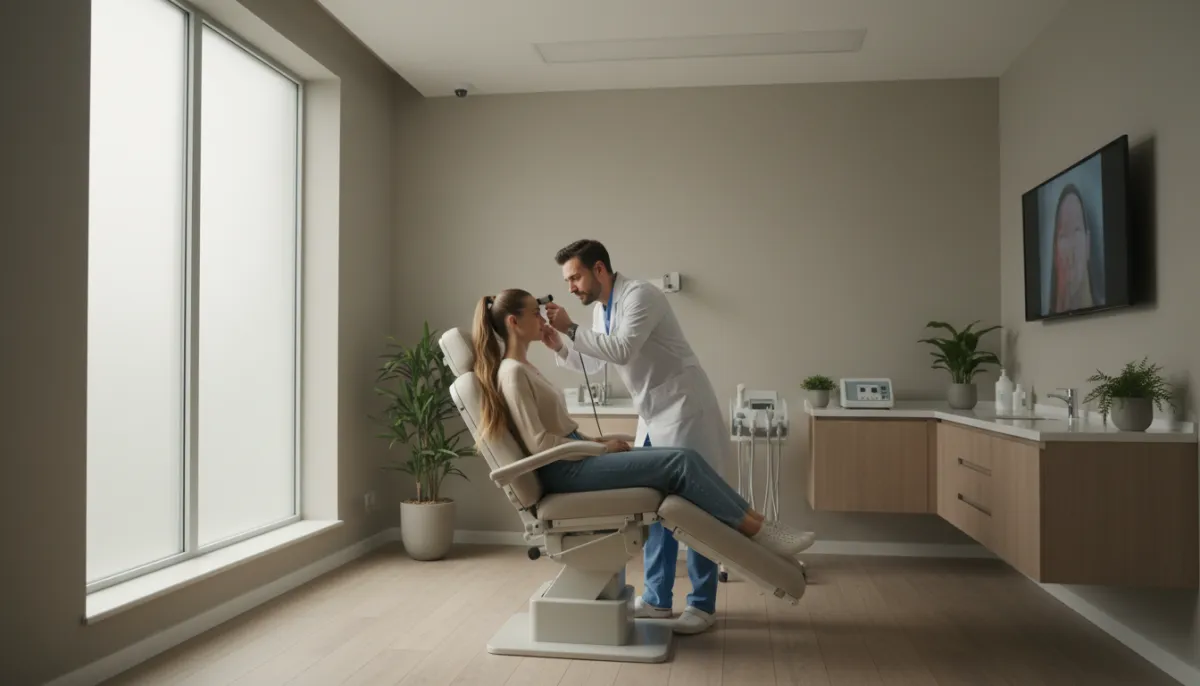
Topical vs. Injectable Steroids: Choosing the Right Approach
Both topical and injectable steroids have proven efficacy, yet they differ in application, potency, and risk profile. Understanding these distinctions helps patients and clinicians tailor a regimen that balances effectiveness with safety.
| Aspect | Topical Steroids | Injectable Steroids |
|---|---|---|
| Delivery Method | Applied to skin surface, usually once or twice daily | Direct injection into affected patches, typically every 4–6 weeks |
| Typical Potency | Low to medium (e.g., clobetasol propionate 0.05%) | High (e.g., triamcinolone acetonide 10 mg/mL) |
| Onset of Regrowth | Weeks to months | Often visible within 2–3 weeks |
| Vaak voorkomende bijwerkingen | Skin thinning, irritation, acneiform eruptions | Local bruising, pain, potential systemic absorption |
| Best For | Small, superficial patches or patients preferring non‑invasive care | Well‑defined patches, rapid regrowth needs, or refractory cases |
When deciding, clinicians often start with a topical regimen and progress to intralesional injections if response is inadequate. This step‑wise approach minimizes exposure while maximizing therapeutic benefit.
Mogelijke bijwerkingen en veiligheidsoverwegingen
While steroids are effective, they are not without risks. Understanding possible side effects enables patients to monitor their condition and seek timely medical advice.
Common adverse reactions include:
- Local skin atrophy or thinning, especially with prolonged topical use.
- Hypopigmentation or hyperpigmentation of treated areas.
- Transient pain or bruising at injection sites.
- Systemic effects such as elevated blood glucose in susceptible individuals when high‑dose oral steroids are used.
Less frequent but serious complications can arise from improper dosing, such as adrenal suppression or increased infection risk. To mitigate these risks, clinicians follow evidence‑based protocols:
- Limit the duration of high‑potency topical steroids to 4–6 weeks.
- Use the lowest effective concentration for intralesional injections.
- Schedule regular follow‑up visits to assess response and adjust treatment.
Patients with a history of diabetes, hypertension, or autoimmune disorders should discuss these conditions before initiating corticosteroid for alopecia areata therapy, as adjustments may be necessary.
Combining Steroid Therapy with Other Hair Restoration Treatments
Steroids can be part of a broader, integrative approach to hair restoration. Combining them with complementary therapies often enhances overall outcomes and may reduce the required steroid dosage.
Common adjunctive options include:
- Platelet‑rich plasma (PRP) – Utilizes the patient’s own growth factors to stimulate follicle activity.
- Low‑level laser therapy (LLLT) – Promotes cellular metabolism in the scalp.
- Topical minoxidil – Increases blood flow and prolongs the anagen phase.
- Microneedling – Creates micro‑channels that improve topical drug absorption.
Integrative clinics like Gold City Medical Center tailor a personalized plan that may involve a short course of intralesional steroids followed by PRP sessions, thereby sustaining regrowth while minimizing steroid exposure.
When combining treatments, timing is crucial. For example, applying minoxidil immediately after an injection can increase local irritation, so clinicians often advise a 24‑hour gap.
What to Expect During a Steroid Treatment Course
Understanding the treatment timeline helps set realistic expectations and reduces anxiety. A typical course of alopecia areata steroid therapy follows several stages:
- Initial Consultation – Assessment of disease extent, medical history, and discussion of goals.
- Baseline Measurements – Photographic documentation and, if needed, scalp biopsy.
- First Injection or Topical Initiation – Administered by a qualified specialist.
- Follow‑Up Visits – Usually every 4–6 weeks to evaluate regrowth and adjust dosage.
- Maintenance Phase – Once visible regrowth occurs, treatment frequency may be reduced or switched to a milder topical formulation.
Patients often notice initial signs of regrowth within 2–4 weeks of the first injection, though full results may take 3–6 months. Consistency is key; missed applications can diminish effectiveness.
Throughout the course, clinicians monitor for side effects, document progress, and provide guidance on supportive hair‑care practices such as gentle shampooing, avoiding harsh chemicals, and using protective styling.
Why Choose Gold City Medical Center for Alopecia Areata Care
Gold City Medical Center combines cutting‑edge medical expertise with a holistic approach to hair health. Our team of dermatologists and hair restoration specialists offers personalized steroid protocols, state‑of‑the‑art equipment, and integrated therapies such as PRP and laser treatment. With a commitment to safety and patient education, we ensure every step—from diagnosis to post‑treatment follow‑up—is transparent and supportive.
Choosing us means accessing a trusted center where science meets compassion, delivering results that restore not only hair but confidence.
Ready to take the next step toward regaining your hair? Contact Gold City Medical Center today to schedule a comprehensive evaluation and discover the most effective steroid‑based treatment plan for your alopecia areata.
FAQ
How do steroids promote hair regrowth in alopecia areata?
Steroids suppress the immune response that attacks hair follicles, allowing them to re‑enter the growth phase.
What are the main differences between topical and injectable steroids?
Injectable steroids are higher potency and act faster, while topical steroids are lower potency, non‑invasive, and better for small or superficial patches.
What side effects should patients monitor during steroid therapy?
Common side effects include skin thinning, irritation, bruising, and, with high‑dose oral steroids, systemic effects like elevated blood glucose.
Can steroid treatment be combined with other hair restoration methods?
Yes, steroids are often combined with PRP, low‑level laser therapy, minoxidil, or microneedling to enhance results and potentially lower steroid dosage.
What is the typical timeline for seeing results from steroid treatment?
Patients often notice early signs of regrowth within 2–4 weeks of the first injection, with full results taking 3–6 months.
Why should patients choose Gold City Medical Center for alopecia areata care?
Gold City Medical Center offers expert dermatologists, personalized steroid protocols, and integrated therapies like PRP and laser treatment in a safe, patient‑focused environment.





