Many people wonder, am i balding, especially when they notice subtle changes on their scalp. Hair loss can be unsettling, but recognizing the early indicators empowers you to act before thinning becomes more pronounced. In this article we’ll explore how to identify the first signs of balding, uncover the most common causes, and outline the treatment pathways available at Gold City Medical Center. According to the World Health Organization, up to 50 % of men and 40 % of women experience noticeable hair loss by age 35, making early detection a vital step toward effective management.
If you’ve found yourself asking “am i balding” after seeing a new part line, a widening forehead, or a few extra strands on your pillow, you’re not alone. This guide will help you differentiate normal shedding from progressive hair loss, explain why factors like genetics, hormones, and lifestyle matter, and provide a clear roadmap for seeking professional help.
By the end of this reading, you’ll know exactly what to look for, when to consult a specialist, and which modern therapies can restore confidence and hair density.
Recognizing Early Signs of Balding
Identifying the onset of balding is the first step toward addressing it. While daily hair shedding of 50‑100 strands is normal, certain patterns suggest a shift toward hair loss.
- Gradual thinning along the crown or temples.
- Visible scalp through a part line that previously covered the area.
- Increased hair shedding after washing or brushing.
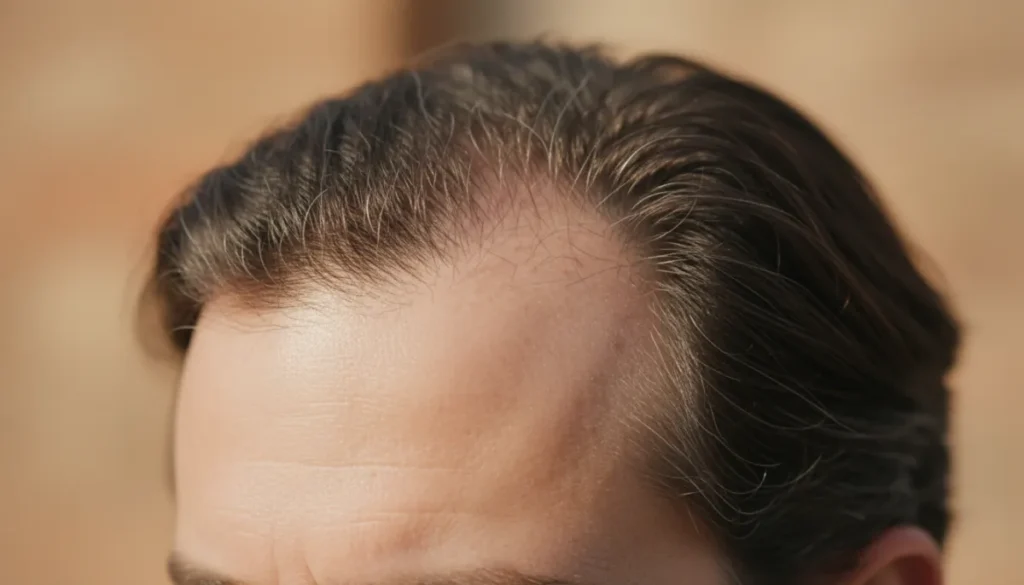
- Receding hairline forming an “M” shape.
- Patchy bald spots, especially in men.
Below is a simple comparison to help you distinguish normal shedding from early balding:
| Feature | Normal Shedding | Early Balding |
|---|---|---|
| Daily hair loss | 50‑100 strands | 150‑200+ strands |
| Hair density | Even across scalp | Noticeable thinning at crown or temples |
| Scalp visibility | Rarely visible | Scalp shows through part line |
| Pattern | Uniform | Receding hairline, “M” shape, or bald patches |
When you notice several of these markers, the question “am i balding” becomes more than a curiosity—it signals the need for a professional assessment.
Veelvoorkomende oorzaken van haaruitval
Understanding why hair loss occurs is essential for choosing the right treatment. Below are the most frequent contributors to balding.
Genetische factoren
Androgenetic alopecia, commonly known as mannelijke kaalheid or female pattern thinning, is hereditary. It results from the follicle’s sensitivity to dihydrotestosterone (DHT), causing gradual miniaturization of hair shafts.
Hormonale veranderingen
Fluctuations in estrogen, testosterone, and thyroid hormones can trigger shedding. Women often notice thinning after pregnancy or menopause, while men may experience accelerated loss during puberty.
Medische aandoeningen
Autoimmune disorders such as alopecia areata produce sudden, patchy bald spots. Other illnesses like thyroid disease, iron deficiency, and severe infections can also lead to diffuse hair loss.
Lifestyle and External Factors
Stress, poor nutrition, and harsh hair practices contribute to temporary shedding. Traction alopecia results from tight hairstyles that pull on follicles, while frequent heat styling can weaken hair shafts.
Key related terms to keep in mind: alopecia, receding hairline, hair thinning, en alopecia androgenetica. Recognizing which factor aligns with your situation helps narrow down effective interventions.
- Genetic predisposition – family history of balding.
- Hormonal imbalance – thyroid tests, pregnancy, menopause.
- Autoimmune activity – patchy loss, sudden onset.
- Stress & nutrition – diet, sleep, mental health.
- Physical trauma – tight braids, helmets, harsh chemicals.
When to Seek Professional Evaluation
If you keep asking yourself “am i balding” and notice persistent signs, it’s time to consult a specialist. Early intervention can halt progression and improve treatment outcomes.
Diagnostic Tools
Clinicians use several methods to assess hair loss severity and underlying causes:
| Tool | Purpose | Typical Findings |
|---|---|---|
| Scalp Examination | Visual assessment of pattern | Identify receding hairline, crown thinning |
| Trichoscopy | Dermatoscopic imaging | Miniaturized follicles, perifollicular inflammation |
| Blood Tests | Check hormonal and nutritional status | Thyroid levels, iron, ferritin, DHT |
| Biopsy | Confirm autoimmune alopecia | Inflammatory infiltrates, follicular damage |
Typical red flags that warrant a visit include rapid shedding, visible scalp, or a family history of early-onset baldness. A qualified dermatologist or hair restoration specialist can tailor a plan based on these findings.
Treatment Options Available at Gold City Medical Center
Gold City Medical Center offers a comprehensive suite of evidence‑based therapies designed to address the root cause of hair loss and stimulate regrowth.
Medical Therapies
Topical minoxidil and oral finasteride remain first‑line treatments for alopecia androgenetica. Minoxidil widens blood vessels, improving follicle nourishment, while finasteride blocks DHT production.
Platelet‑Rich Plasma (PRP)
PRP injections use your own platelet‑rich blood to deliver growth factors directly to the scalp, encouraging dormant follicles to re‑enter the growth phase.
Hair Transplant Surgery
Our clinic specializes in Follicular Unit Extraction (FUE), a minimally invasive technique that relocates healthy grafts from the donor area to thinning zones, achieving natural‑looking density.
Laser Therapy & Low‑Level Light
Low‑level laser devices stimulate cellular activity, increasing blood flow and reducing inflammation. They are often used as adjuncts to medical or surgical treatments.
Below is a quick reference guide to help you compare these options:
| Behandeling | Mechanism | Typical Sessions | Expected Results |
|---|---|---|---|
| Minoxidil | Vasodilation, follicle stimulation | Twice daily topical | Gradual thickening, 3‑6 months |
| Finasteride | DHT inhibition | Oral daily | Stabilization, modest regrowth |
| PRP | Growth factor delivery | 3‑4 sessions, 4‑6 weeks apart | Improved density, 4‑6 months |
| FUE Transplant | Graft relocation | Single surgical day | Immediate coverage, full growth 9‑12 months |
| Lasertherapie | Photobiomodulation | 2‑3 times weekly | Supportive, 3‑6 months |
Choosing the right combination depends on your diagnosis, hair loss stage, and personal preferences. Our specialists conduct a thorough evaluation to recommend a customized plan.
Maintaining Hair Health After Treatment
Successful hair restoration is only the beginning. Long‑term maintenance maximizes results and prevents future loss.
Scalp Care Routine
- Use a gentle, sulfate‑free shampoo to avoid follicle irritation.
- Massage the scalp for 2‑3 minutes daily to stimulate circulation.
- Apply a nourishing conditioner or serum containing biotin, niacin, or caffeine.
Nutrition and Lifestyle
Hair is built from protein, so a diet rich in lean meats, legumes, and dairy supports growth. Essential micronutrients such as iron, zinc, and vitamin D are also critical. Manage stress through regular exercise, meditation, or hobbies, as chronic stress can reactivate shedding cycles.
Follow‑Up and Monitoring
Schedule periodic check‑ups with your Gold City Medical Center specialist to track progress. Adjustments to medication dosages or additional PRP sessions may be recommended based on observed outcomes.
Key maintenance tips at a glance:
| Aspect | Recommendation | Frequency |
|---|---|---|
| Scalp cleansing | Mild shampoo + conditioner | 2‑3 times weekly |
| Scalp massage | Gentle circular motions | Daily |
| Supplementation | Biotin, zinc, vitamin D | As advised by doctor |
| Medical review | Progress assessment | Every 3‑6 months |
By integrating these habits, you reinforce the benefits of any chosen therapy and reduce the likelihood of future balding.
Why Choose Gold City Medical Center
Gold City Medical Center combines cutting‑edge technology with a holistic approach to hair restoration. Our team of board‑certified dermatologists and surgeons specializes in integrative treatments that address both the medical and aesthetic aspects of balding. From precise FUE transplants to personalized PRP protocols, we tailor each plan to the individual’s unique condition and goals. Trust a center that prioritizes patient safety, evidence‑based outcomes, and lasting confidence.
Ready to find out if you’re balding and explore effective solutions? Contact Gold City Medical Center today for a confidential consultation and take the first step toward renewed hair health.
FAQ
How can I tell if I am balding early?
Look for gradual thinning on the crown or temples, a receding hairline, increased shedding, and visible scalp through a part line.
What are the most common causes of hair loss?
Genetics, hormonal changes, medical conditions, and lifestyle factors such as stress and poor nutrition are the primary contributors.
When should I consult a specialist for hair loss?
If you notice rapid shedding, visible scalp, a receding hairline, or a family history of early baldness, schedule a professional evaluation.
What diagnostic tools are used to evaluate balding?
Clinicians use scalp examinations, trichoscopy, blood tests, and sometimes biopsies to determine cause and severity.
What treatment options are available for androgenetic alopecia?
Topical minoxidil, oral finasteride, PRP injections, FUE hair transplant, and low‑level laser therapy are commonly used.
How can I maintain hair health after a hair restoration procedure?
Follow a gentle scalp care routine, maintain a protein‑rich diet, manage stress, and attend regular follow‑up appointments.





