The quest for the best zinc for hair loss often leads people to a maze of supplements, diet tips, and conflicting advice. Understanding why zinc matters for hair health can help you make an informed decision and potentially restore thinning strands. In fact, studies show that up to 30% of individuals with unexplained hair loss have low zinc levels, highlighting the mineral’s critical role.
In this guide, we’ll explore how zinc supports hair growth, identify the signs of deficiency, compare popular zinc supplement forms, and show how to combine zinc with other nutrients for optimal results. Whether you’re dealing with gradual thinning or sudden shedding, the information here will equip you with practical steps to strengthen your hair from the inside out.
We’ll also explain why choosing a reputable provider, such as Gold City Medical Center, matters when you seek professional advice and personalized treatment plans. Let’s dive into the science behind zinc and hair, and uncover the options that truly qualify as the best zinc for hair loss.
Understanding Zinc’s Role in Hair Health
Zinc is an essential trace mineral involved in over 300 enzymatic reactions, many of which are directly linked to hair follicle function. It helps regulate protein synthesis, DNA replication, and cell division—all vital processes for the growth phase (anagen) of hair. Moreover, zinc possesses antioxidant properties that protect follicles from oxidative stress, a known contributor to hair thinning.
How Zinc Affects Hair Follicles
- Cellular turnover: Zinc supports the rapid turnover of keratinocytes, the cells that produce the protein keratin, which forms the structural core of hair.
- Hormone balance: It modulates the activity of dihydrotestosterone (DHT), a hormone that can shrink hair follicles in genetically predisposed individuals.
- Immune function: Adequate zinc levels maintain a healthy scalp microbiome, reducing inflammation that can impede hair growth.
Because of these mechanisms, a zinc deficiency can manifest as slow hair growth, brittle strands, or increased shedding. When evaluating the best zinc for hair loss, consider not only the dosage but also the form of zinc, as absorption rates differ.
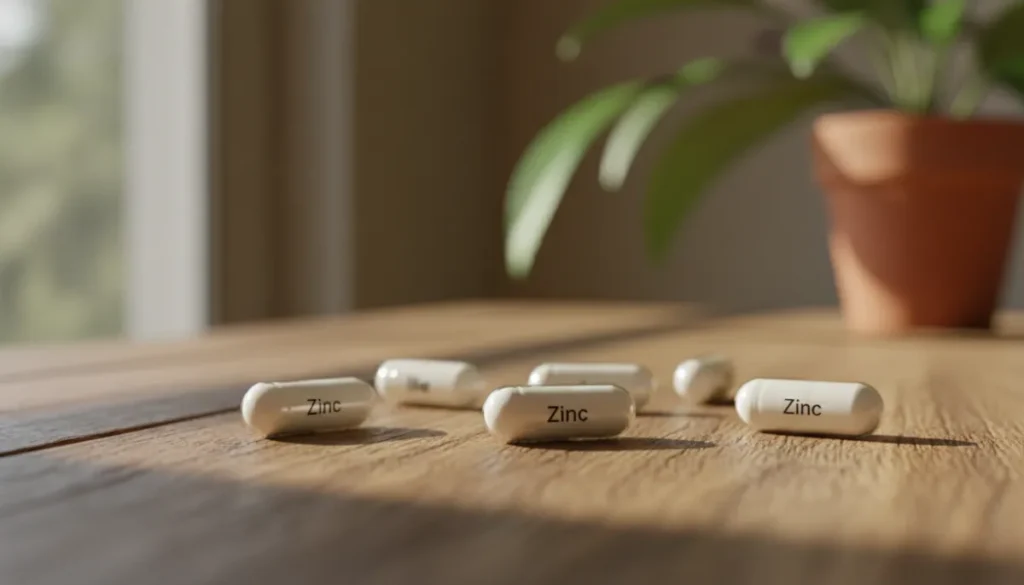
Common Forms of Zinc in Supplements
| Form | Typical Dosage | Absorption Rating | Notes |
|---|---|---|---|
| Zinc Picolinate | 15–30 mg | High | Often recommended for hair health due to superior bioavailability. |
| Zinc Gluconate | 20–50 mg | Moderate | Common in over‑the‑counter cold remedies; may cause stomach upset at high doses. |
| Zinc Citrate | 15–30 mg | High | Gentle on the stomach; good option for daily use. |
| Zinc Methionine | 10–20 mg | Very High | Complexed with the amino acid methionine, enhancing cellular uptake. |
When selecting the best zinc for hair loss, prioritize forms with higher absorption rates, such as picolinate or methionine, especially if you have a sensitive stomach.
Signs of Zinc Deficiency and Its Impact on Hair
Identifying a zinc deficiency early can prevent irreversible hair damage. While blood tests are the definitive method, many people notice physical clues before visiting a clinician. Common symptoms include:
- Diffuse verdunning over de hoofdhuid
- Hair that breaks easily or appears dull
- Dry, scaly skin around the hairline
- Reduced nail growth or white spots on nails
- General fatigue and impaired immune response
These signs often overlap with other nutrient deficiencies, such as iron or biotin, making it essential to consider a comprehensive approach. If you experience several of these symptoms, a consultation with a healthcare professional can confirm whether zinc supplementation is appropriate.
Testing for Zinc Levels
Standard blood serum tests measure zinc concentration, but they may not reflect cellular zinc status. Some clinics use hair mineral analysis to assess long‑term zinc levels in the follicle tissue. Regardless of the method, a qualified practitioner can interpret results and recommend an individualized dosage.
For most adults, the Recommended Dietary Allowance (RDA) for zinc is 8 mg for women and 11 mg for men. However, therapeutic doses for hair loss often range from 15 mg to 30 mg per day, under professional supervision.
Choosing the Best Zinc Supplement for Hair Loss
Not all zinc products are created equal. To determine the best zinc for hair loss, evaluate factors such as dosage, form, added ingredients, and manufacturing quality. Below is a comparison of four widely recognized zinc supplements that are frequently recommended for hair health.
| Product | Form | Dosage per Capsule | Additional Ingredients | Key Benefit |
|---|---|---|---|---|
| Zinc Picolinate 30 mg | Picolinate | 30 mg | Vitamin B6 | High absorption, supports keratin production. |
| Zinc Methionine Complex | Methionine | 20 mg | Vitamine C | Enhanced cellular uptake, antioxidant synergy. |
| Zinc Citrate 25 mg | Citrate | 25 mg | Biotin 5 µg | Gentle on stomach, supports nail health. |
| Zinc Gluconate 50 mg | Gluconate | 50 mg | None | Cost‑effective, widely available. |
When selecting a supplement, look for third‑party testing labels, clear dosage instructions, and minimal filler ingredients. A daily dose of 15–30 mg of a highly absorbable form, taken with a meal, often yields the best results for hair restoration.
Safety and Potential Side Effects
Excessive zinc intake can interfere with copper absorption, leading to anemia or neurological issues. The tolerable upper intake level (UL) for adults is 40 mg per day. Therefore, it’s crucial to avoid combining multiple zinc‑rich products without professional guidance.
Typical side effects at high doses include nausea, metallic taste, and occasional stomach cramps. If you experience any adverse reactions, reduce the dose or switch to a gentler form such as zinc citrate.
Integrating Zinc with Other Hair Growth Vitamins
While zinc is a cornerstone for hair health, synergistic nutrients can amplify its effects. Combining zinc with vitamins that support collagen synthesis, blood circulation, and hormonal balance creates a comprehensive hair‑growth regimen.
Key Complementary Nutrients
- Biotin (Vitamin B7): Enhances keratin infrastructure and works well with zinc for stronger strands.
- Vitamin D: Modulates hair follicle cycling and may improve zinc absorption.
- Vitamin C: Antioxidant that protects zinc‑dependent enzymes from oxidative damage.
- Iron: Essential for oxygen transport to follicles; deficiency can mask zinc benefits.
- Omega‑3 Fatty Acids: Reduce scalp inflammation and improve nutrient delivery.
Many multivitamin formulas designed for hair, skin, and nails already include these ingredients in balanced ratios. However, if you prefer a targeted approach, taking a zinc supplement alongside a separate biotin capsule (5 mg) and a daily vitamin D3 (1000 IU) can be effective.
Sample Daily Routine
- Morning: Zinc picolinate (15 mg) with a protein‑rich breakfast.
- Midday: Vitamin D3 (1000 IU) after lunch.
- Evening: Biotin (5 mg) and omega‑3 fish oil capsule with dinner.
Consistency is key; noticeable hair improvement typically appears after 3–6 months of sustained supplementation.
Lifestyle Tips to Maximize Zinc Effectiveness
Even the highest‑quality zinc supplement can underperform if lifestyle factors hinder absorption. Consider these practical adjustments to support optimal results.
Dietary Strategies
- Include zinc‑rich foods such as oysters, pumpkin seeds, lentils, and beef in your meals.
- Avoid excessive phytates (found in raw beans and whole grains) during supplement intake, as they can bind zinc.
- Pair zinc with protein sources; amino acids enhance mineral uptake.
Timing and Interaction
Take zinc on an empty stomach or with a small snack if you experience gastrointestinal discomfort. Avoid concurrent high‑dose calcium or iron supplements, which compete for the same transport pathways.
Stress Management
Chronic stress elevates cortisol, which can deplete zinc stores and exacerbate hair loss. Incorporate relaxation techniques—such as yoga, meditation, or regular exercise—to maintain hormonal balance.
Regular Monitoring
Schedule periodic check‑ups with a healthcare provider to assess zinc levels and adjust dosage as needed. Tracking progress with photos and scalp examinations helps gauge effectiveness.
Why Choose Gold City Medical Center
Gold City Medical Center combines cutting‑edge medical expertise with personalized care, making it an ideal partner for those seeking effective hair‑loss solutions. Our integrative approach blends evidence‑based supplementation, advanced diagnostics, and optional hair‑restoration procedures—all under one roof. With a team of qualified physicians and nutrition specialists, we tailor zinc‑based regimens to each client’s unique health profile, ensuring safe and measurable results.
Choosing Gold City Medical Center means accessing comprehensive hair health services, from laboratory‑verified zinc level testing to professional guidance on diet, lifestyle, and complementary treatments. Trust our experience to help you achieve stronger, fuller hair.
Ready to restore your hair’s natural vitality? Contact Gold City Medical Center today to schedule a personalized consultation and start your journey toward healthier hair with expert‑approved zinc supplementation.
Call us or fill out our online form—your path to confidence begins now.
FAQ
What is the role of zinc in hair health?
Zinc supports hair follicle function by aiding protein synthesis, hormone balance, and immune health.
How can I tell if I have a zinc deficiency?
Common signs include diffuse thinning, brittle hair, dry scalp skin, and nail abnormalities.
Which form of zinc supplement is best for hair loss?
Zinc picolinate and zinc methionine have the highest absorption rates for hair health.
What is the recommended dosage of zinc for hair growth?
Therapeutic doses of 15–30 mg per day are typical, under professional guidance.
Can I take zinc with other hair growth vitamins?
Yes, zinc works well with biotin, vitamin D, vitamin C, iron, and omega‑3 fatty acids.
Are there any side effects of taking too much zinc?
Excess zinc can cause nausea, metallic taste, stomach cramps, and interfere with copper absorption.