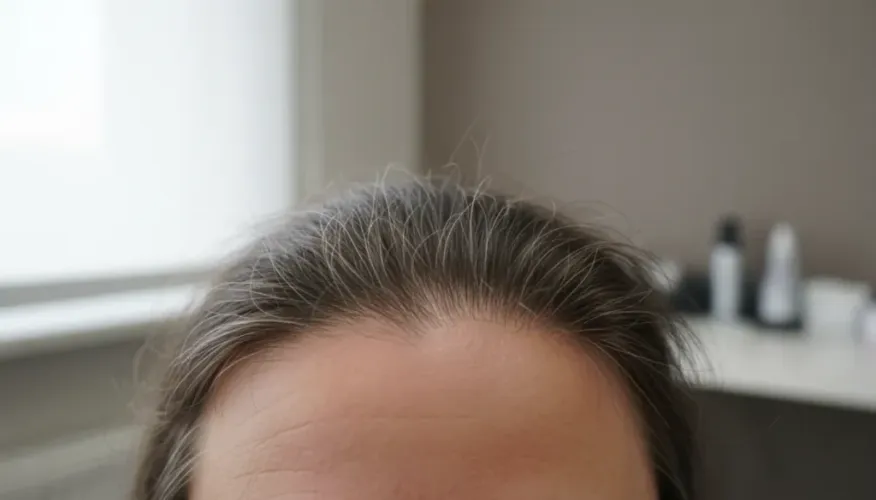
Learning how to regrow frontal hairline can transform your confidence and overall appearance. A receding hairline often appears gradually, but many people are unaware of the underlying factors that accelerate the process. In this article we explore the science behind frontal hair loss, the most effective medical and natural treatments, and how an integrative approach at Gold City Medical Center can give you lasting results.
Statistics show that up to 30% of men begin to notice a receding hairline before the age of 35, while women experience thinning at the front of the scalp due to hormonal shifts. Understanding why the hairline retreats is the first step toward a successful regrowth plan.
We will cover the primary causes of frontal hair loss, review clinically proven therapies, discuss lifestyle adjustments that support haargroei, and outline how to create a personalized regimen that fits your needs.
Understanding Frontal Hairline Loss
The frontal hairline is particularly vulnerable to a combination of genetic, hormonal, and environmental influences. In men, dihydrotestosterone (DHT) binds to hair follicles in the front and crown, shortening the growth phase and leading to a classic “M‑shaped” recession. Women may experience a similar pattern due to estrogen fluctuations, especially after menopause.
Key factors that contribute to a receding hairline include:
- Genetic predisposition (family history of male or female pattern baldness)
- Hormonal imbalances, especially elevated DHT levels
- Chronic stress that disrupts the hair growth cycle
- Nutrient deficiencies such as iron, zinc, and biotin
- Harsh styling practices that cause traction alopecia
Identifying the root cause is essential because it determines which treatment pathway will be most effective. A thorough clinical evaluation, often including blood tests and scalp analysis, helps distinguish between androgen‑driven loss and other conditions like alopecia areata or telogen effluvium.
When the underlying issue is pinpointed, clinicians can recommend targeted interventions that address both the symptom (visible thinning) and the cause (hormonal or nutritional imbalance).
Medical Treatments for Hairline Regrowth
When it comes to haarhergroei for the front of the scalp, medical options provide the most predictable outcomes. The three pillars of evidence‑based treatment are topical minoxidil, oral finasteride (for men), and platelet‑rich plasma (PRP) therapy. Each works through a different mechanism to stimulate dormant follicles and prolong the anagen phase.
Topical Minoxidil
Minoxidil 5% solution is FDA‑approved for both men and women. It widens blood vessels in the scalp, increasing nutrient delivery to hair follicles. Consistent twice‑daily application can yield visible density improvements within 3–6 months.
Oral Finasteride
Finasteride 1 mg daily inhibits the conversion of testosterone to DHT, directly addressing the hormonal driver of a receding hairline in men. Clinical trials report a 90% success rate in halting further loss and a 30%–40% regrowth rate in the frontal zone.
Platelet‑Rich Plasma (PRP)
PRP involves drawing a small amount of the patient’s blood, concentrating the platelets, and injecting them into the scalp. Growth factors released from platelets promote cell proliferation and improve vascularization. A typical regimen consists of three sessions spaced four weeks apart, followed by maintenance every 4–6 months.
| Behandeling | Mechanism | Typical Timeline | Key Benefits |
|---|---|---|---|
| Minoxidil | Vasodilation & follicle stimulation | 3‑6 months | Non‑invasive, OTC |
| Finasteride | DHT inhibition | 3‑12 months | High efficacy in men |
| PRP | Growth‑factor delivery | 2‑4 months | Natural autologous therapy |
Choosing the right combination often depends on the severity of the recession, gender, and personal preferences. Many patients experience synergistic effects when using minoxidil alongside PRP or finasteride.
Lifestyle and Natural Approaches to Support Regrowth
While medical therapies are powerful, lifestyle factors can significantly enhance haargroei and slow further thinning. A holistic regimen that includes nutrition, scalp care, and stress management creates an environment where follicles can thrive.
Nutrition for Strong Follicles
Hair is primarily made of keratin, a protein that requires adequate amino acids, iron, zinc, and vitamins A, C, D, and E. Incorporating foods such as salmon (rich in omega‑3 fatty acids), spinach (iron and folate), eggs (biotin), and nuts (zinc) can improve hair density.
Scalp Stimulation Techniques
Regular scalp massage with gentle pressure increases blood flow, delivering oxygen and nutrients. Devices like low‑level laser combs or dermarollers (0.5 mm needles) create micro‑injuries that trigger the wound‑healing cascade, encouraging new growth.
Stress Reduction
Chronic cortisol elevation pushes hair follicles into the telogen (resting) phase, leading to shedding. Practices such as mindfulness meditation, yoga, and adequate sleep (7–9 hours) help maintain a balanced hormonal environment.
- Eat a balanced diet rich in protein and micronutrients.
- Stay hydrated – water supports cellular metabolism.
- Perform scalp massage for 5 minutes daily.
- Limit heat styling and tight hairstyles that pull on the front hairline.
- Manage stress through regular exercise and relaxation techniques.
These natural strategies are especially useful for individuals with mild thinning or those who wish to complement medical treatments for optimal results.
Advanced Cosmetic Options for Persistent Thinning
When conventional therapies do not achieve the desired density, advanced cosmetic solutions can fill the gap. These methods are minimally invasive and focus on enhancing the visual appearance of the frontal hairline.
Low‑Level Laser Therapy (LLLT)
LLLT devices emit red light at wavelengths of 630–670 nm, which penetrates the scalp to stimulate cellular respiration in hair follicles. Clinical studies report a 30%‑45% increase in hair count after 24 weeks of twice‑weekly sessions.
Microneedling
Microneedling creates controlled micro‑channels in the scalp, prompting the release of platelet‑derived growth factors. When combined with topical minoxidil, the absorption rate can increase by up to 200%.
Hairline Redesign with Follicular Unit Extraction (FUE)
FUE hair transplantation involves harvesting individual follicular units from a donor area (typically the back of the head) and implanting them into the frontal zone. Modern techniques allow for a natural hairline with a density of 30–40 grafts per cm², delivering a permanent solution.
| Option | Invasiveness | Typical Sessions | Result Timeline |
|---|---|---|---|
| LLLT | Non‑invasive | 2‑3 times/week | 3‑6 months |
| Microneedling | Minimaal invasief | Every 4–6 weeks | 2‑4 months |
| FUE Transplant | Surgical | 1‑2 days | 6‑12 months |
Choosing an advanced option should follow a detailed consultation, where the clinician evaluates scalp laxity, donor hair availability, and aesthetic goals.
Creating a Personalized Regrowth Plan
Every individual’s hair loss journey is unique, which is why a personalized plan that blends medical, lifestyle, and cosmetic strategies yields the best outcomes. The process typically involves three stages:
- Assessment: Comprehensive evaluation of hair loss pattern, hormonal profile, and overall health.
- Strategy Development: Selection of appropriate treatments—such as minoxidil, PRP, nutrition, or FUE—based on severity and patient preferences.
- Implementation & Monitoring: Regular follow‑up appointments to adjust dosages, track progress with photographic documentation, and address any side effects.
Patients who combine a proven medical regimen with scalp‑care routines often experience faster and more durable regrowth. For instance, a man using finasteride and weekly PRP sessions while maintaining a diet rich in omega‑3s reported a 45% increase in frontal hair density after eight months.
Technology also plays a role; digital trichoscopy allows clinicians to measure follicle thickness and density with high precision, ensuring that treatment adjustments are data‑driven.
By staying proactive and adapting the plan as the scalp responds, you can maximize the chance of restoring a natural‑looking frontal hairline.
Why Choose Gold City Medical Center
Gold City Medical Center combines cutting‑edge hair restoration technologies with a holistic approach to patient care. Our team of experienced dermatologists, trichologists, and surgeons specializes in integrative solutions that address both the medical and aesthetic aspects of frontal hairline regrowth. We offer personalized consultations, state‑of‑the‑art PRP and laser treatments, and expertly performed FUE transplants—all within a comfortable, patient‑focused environment.
Choosing us means benefiting from a proven track record, transparent communication, and a commitment to delivering natural‑looking results that enhance your confidence.
Ready to take the first step toward a fuller frontal hairline? Contact Gold City Medical Center today to schedule your personalized assessment and discover the most effective treatment plan for you.
Call us or fill out the online inquiry form—your journey to renewed confidence starts now.
FAQ
What causes a receding frontal hairline?
Genetics, hormonal imbalances (especially DHT), chronic stress, nutrient deficiencies, and harsh styling practices can all contribute to a receding frontal hairline.
How effective is minoxidil for regrowing the frontal hairline?
Minoxidil can increase hair density in the frontal area for many users, with visible results typically appearing after 3–6 months of consistent twice‑daily use.
Can finasteride stop hair loss and promote regrowth in men?
Yes, finasteride 1 mg daily blocks DHT production, halting further recession in most men and achieving frontal regrowth in about 30‑40% of cases.
What is PRP therapy and how does it help hairline regrowth?
PRP therapy uses a patient’s own platelet‑rich plasma to deliver growth factors that stimulate follicle activity and improve scalp vascularization, leading to new hair growth.
Which natural lifestyle changes support frontal hairline regrowth?
A balanced diet rich in protein, iron, zinc, and omega‑3s, regular scalp massage, stress reduction, adequate sleep, and gentle hair care can all boost frontal hairline health.
When should I consider advanced cosmetic options like FUE transplant?
Advanced options are recommended when medical and natural approaches have not achieved sufficient density, especially for moderate to severe frontal thinning.

