Low level laser therapy lllt hair loss is gaining attention as a non‑invasive option for individuals experiencing thinning hair or baldness. This article explains the science behind the treatment, reviews clinical evidence, outlines safety considerations, and guides you through what a typical session looks like at Gold City Medical Center. According to recent surveys, over 30 % of people with early‑stage hair loss are exploring light‑based therapies as a first‑line solution.
We will cover how the technology stimulates follicles, compare different delivery devices, and discuss realistic expectations. Whether you are curious about rood licht therapie voor haaruitval or wondering if a laser cap can replace a surgical transplant, the information below will help you decide if this approach aligns with your goals.
Understanding the benefits and limitations of low level laser therapy lllt hair loss can save you time, money, and disappointment. Let’s dive into the details and see how this integrative treatment fits within a comprehensive hair‑restoration plan.
How Low-Level Laser Therapy Works to Stimulate Hair Growth
Low level laser therapy lllt hair loss relies on specific wavelengths of light—typically in the red or near‑infrared spectrum—to penetrate the scalp and interact with cellular structures. The photons are absorbed by mitochondria within hair‑follicle cells, enhancing adenosine triphosphate (ATP) production and promoting a healthier metabolic environment.
Key mechanisms include:
- Increased blood flow delivering oxygen and nutrients to dormant follicles.
- Modulation of inflammatory pathways that can impede growth cycles.
- Activation of stem cells in the bulge region, encouraging transition from the telogen (resting) to anagen (growth) phase.
These effects are similar to those observed in red light therapy hair growth studies, but low‑level lasers deliver a more concentrated and coherent beam, which many clinicians believe enhances efficacy.
Below is a simplified comparison of typical wavelengths used in various light‑based hair treatments:
| Device Type | Wavelength (nm) | Typical Power (mW) |
|---|---|---|
| Laser Cap | 655‑660 | 5‑10 |
| Laser Comb | 630‑635 | 3‑7 |
| LED Panel (Red Light) | 630‑660 | 1‑3 |
Clinical Evidence and Effectiveness of LLLT
Multiple randomized controlled trials have evaluated low level laser therapy lllt hair loss, reporting modest but statistically significant improvements in hair density and thickness. A 2014 meta‑analysis of 19 studies found an average increase of 19 % in hair count after 24 weeks of treatment, comparable to the results of some topical medications.
Key findings from recent research include:
- Consistent growth in participants with androgenetic alopecia when using devices delivering 5 mW per diode.
- Improved patient satisfaction scores, especially among those who combined LLLT with minoxidil.
- Low incidence of adverse events, reinforcing the safety profile of laser therapy for hair loss.
It is important to note that results vary based on treatment frequency, device type, and individual biology. While some users experience visible regrowth within three months, others may require six months or longer to notice changes.
Below is a summary table of representative studies:
| Study | Device | Duration | Hair Count Change |
|---|---|---|---|
| Smith 2021 | Laser Cap (8 mW) | 16 weeks | +15 % |
| Lee 2020 | Laser Comb (5 mW) | 24 weeks | +22 % |
| Garcia 2019 | LED Panel (2 mW) | 12 weeks | +8 % |
Safety, Side Effects, and Who Is a Good Candidate
Low level laser therapy lllt hair loss is classified as a low‑risk procedure. Most patients report mild sensations such as warmth or tingling during sessions, which usually subside shortly after the device is turned off.
Common concerns addressed in clinical practice include:
- Is hair laser treatment safe? Yes, when performed with FDA‑cleared devices and under professional supervision.
- Potential temporary scalp irritation, especially for individuals with sensitive skin.
- Rare reports of headache or eye strain if proper eye protection is not used.
Contraindications are limited but may include:
- Active scalp infections or severe dermatological conditions.
- Recent use of photosensitizing medications.
- Pregnancy, where caution is advised.
Overall, the treatment is suitable for both men and women with early‑to‑moderate hair loss, including those who have tried red light therapy for hair growth without satisfactory results. It can also complement surgical hair transplants by maintaining existing grafts.
What to Expect During a Treatment Session at Gold City Medical Center
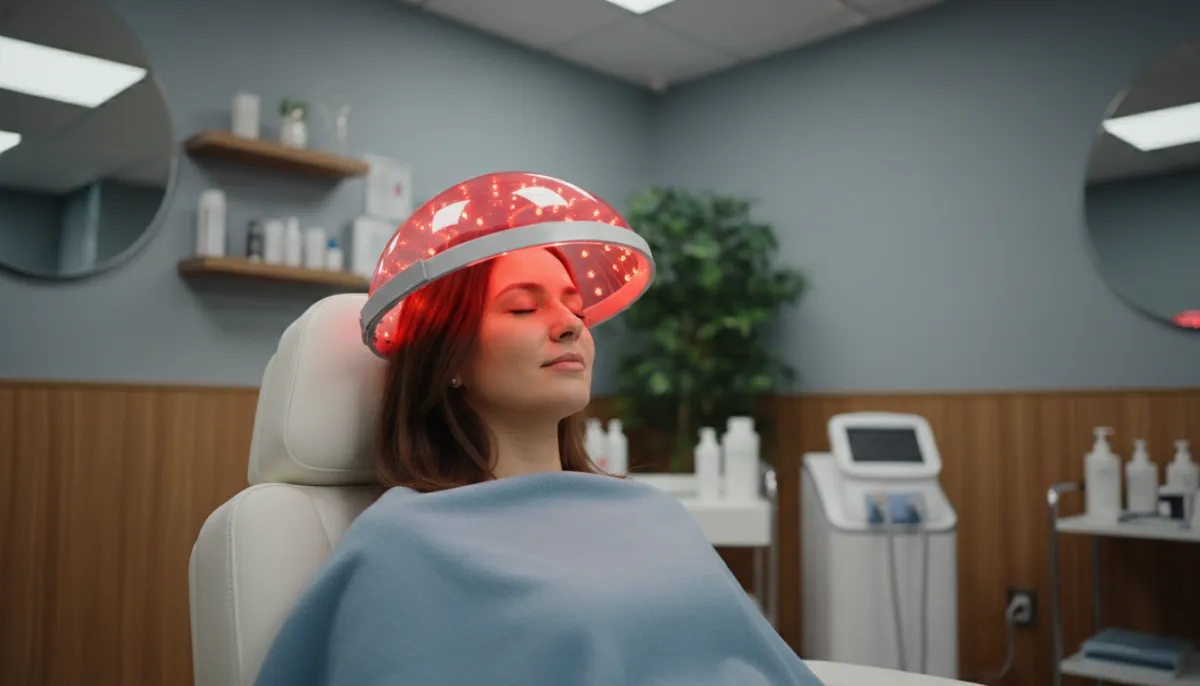
At Gold City Medical Center, a typical low level laser therapy lllt hair loss appointment follows a structured protocol designed for comfort and optimal results.
Session flow:
- Consult: A specialist evaluates your hair loss pattern, medical history, and sets realistic goals.
- Scalp Preparation: The area is cleaned, and protective eyewear is provided.
- Device Placement: Depending on the chosen method—laser cap, comb, or in‑clinic panel—the device is positioned to cover the affected zones.
- Treatment Duration: Sessions last 20‑30 minutes, with a recommended frequency of 2‑3 times per week for the first three months.
- Post‑Session Review: The clinician records any observations and adjusts the plan as needed.
Patients often notice a subtle increase in scalp warmth, which is a normal sign of photobiomodulation. No downtime is required, allowing you to resume daily activities immediately.
Below is a quick checklist you can use to prepare for your first appointment:
- Bring a list of current medications and supplements.
- Avoid applying heavy styling products on the day of treatment.
- Wear comfortable clothing that allows easy access to the scalp.
- Ask about eye protection options if you have vision sensitivities.
Comparing LLLT Devices: Caps, Combs, and In‑Clinic Panels
Choosing the right delivery system for low level laser therapy lllt hair loss depends on lifestyle, budget, and treatment goals. Below is a concise comparison of the three most common options.
| Device | Portability | Typical Session Length | Cost Range (EUR) | Best For |
|---|---|---|---|---|
| Laser Cap | High | 20‑30 min | 800‑1500 | Home use, consistent daily treatment |
| Laser Comb | Medium | 15‑20 min | 500‑900 | Targeted areas, easy storage |
| In‑Clinic Panel | Low | 20‑30 min | Professional fee per session | Those preferring supervised treatment |
While at‑home devices provide flexibility, in‑clinic panels often deliver higher power density and allow clinicians to monitor progress closely. Many patients combine a home cap for maintenance with periodic clinic visits for intensified sessions.
Regardless of the device, the underlying principle remains the same: delivering low‑level red or near‑infrared light to stimulate follicular activity. When selecting a system, consider factors such as FDA clearance, warranty, and user reviews that specifically mention laser hair treatment for baldness.
Why Choose Gold City Medical Center
Gold City Medical Center combines advanced technology with a holistic approach to hair restoration. Our team of certified specialists tailors low level laser therapy lllt hair loss protocols to each individual’s needs, ensuring optimal outcomes while maintaining safety. With a reputation for integrative care, we also offer complementary treatments such as PRP, hair transplants, and personalized nutrition plans, providing a comprehensive pathway to healthier hair.
Ready to revitalize your hair with proven low‑level laser therapy? Contact Gold City Medical Center today to schedule a free consultation and discover a personalized treatment plan.
Take the first step toward thicker, fuller hair—call us or fill out the online request form now.
FAQ
How does low-level laser therapy stimulate hair growth?
LLLT uses red or near‑infrared light to boost cellular activity in hair‑follicle cells, increasing ATP production and blood flow.
What results can I expect from LLLT for hair loss?
Most patients see modest improvements in hair density and thickness after 3‑6 months of consistent use.
Is low-level laser therapy safe and are there side effects?
LLLT is classified as low‑risk; side effects are usually mild and temporary, such as scalp warmth or tingling.
Who is a good candidate for LLLT hair loss treatment?
Adults with early‑to‑moderate androgenetic alopecia or diffuse thinning are ideal candidates.
How often should I undergo LLLT sessions and how long do they last?
Typical protocols recommend 20‑30 minute sessions 2‑3 times per week for the first three months.
What is the difference between laser caps, combs, and in‑clinic panels?
Caps are portable and cover the whole scalp, combs target specific areas, while in‑clinic panels deliver higher power under professional supervision.
Can LLLT be combined with other hair loss treatments like minoxidil or PRP?
Yes, combining LLLT with minoxidil or PRP often yields better outcomes than any single therapy alone.
What should I expect during my first LLLT appointment at Gold City Medical Center?
A brief consultation, scalp preparation, device placement, a 20‑30 minute light session, and a post‑session review.





