Front of head balding is a common concern that affects both men and women, often leading to reduced confidence and a desire for effective solutions. In this article we explore the underlying causes, the latest treatment options, and practical steps you can take to slow or reverse the process. Recent studies indicate that up to 40 % of adults notice noticeable thinning at the frontal scalp by the age of 35, highlighting the importance of early intervention.
We will begin by breaking down the biological mechanisms behind hair loss at the hairline, then examine how hormonal factors and lifestyle choices contribute to the pattern. Understanding these elements empowers you to make informed decisions about medical or cosmetic approaches.
Whether you are considering non‑invasive therapies, surgical restoration, or a combination of both, this guide provides a comprehensive overview tailored to the needs of individuals seeking lasting results.
Understanding Front of Head Balding: Causes and Types
The term front of head balding encompasses several distinct patterns of hair loss that primarily affect the frontal scalp. The most prevalent type is androgenetic alopecia, commonly known as male or female pattern baldness, which can manifest as a receding hairline or a widening frontal bald spot. Other forms include alopecia areata, an autoimmune condition that may cause patchy hair loss, and traction alopecia, which results from chronic tension on the hair.
- Androgenetic alopecia: Driven by genetic sensitivity to dihydrotestosterone (DHT), leading to miniaturization of hair follicles.
- Alopecia areata: Sudden, round patches of hair loss caused by an immune response.
- Traction alopecia: Hair loss due to tight hairstyles or frequent pulling.
- Telogen effluvium: Temporary shedding after stress, illness, or hormonal changes.
Each type presents unique diagnostic challenges, and a thorough clinical evaluation—including scalp examination and, when necessary, a biopsy—helps determine the appropriate treatment pathway.
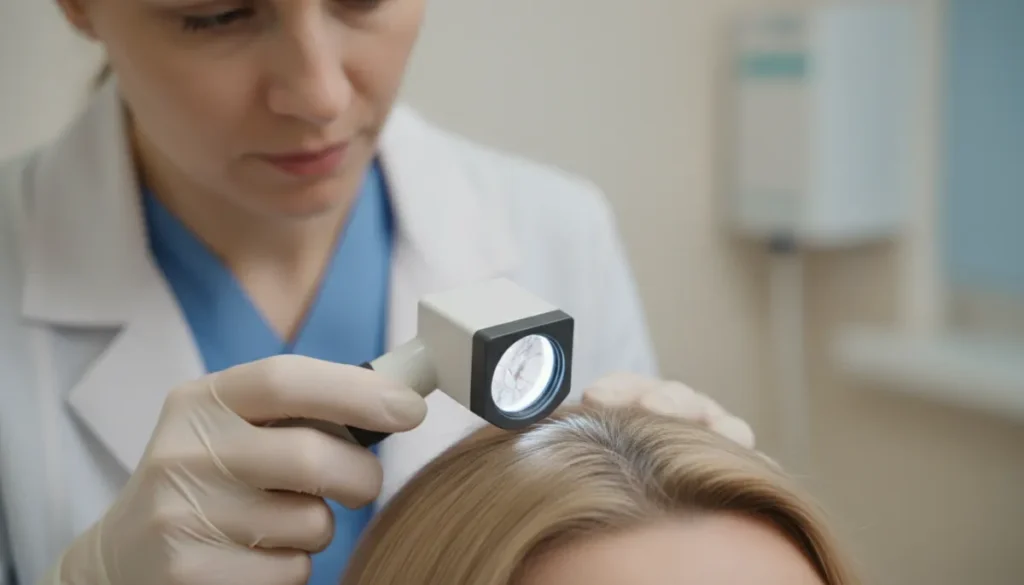
How Androgenetic Alopecia Affects the Frontal Scalp
Androgenetic alopecia is the leading cause of front of head balding, affecting up to 70 % of men and 40 % of women during their lifetime. The condition is driven by an interplay of genetics and hormones, particularly DHT, which binds to receptors in the hair follicle and shortens the anagen (growth) phase. Over time, affected follicles produce thinner, shorter hairs, eventually ceasing production altogether.
In men, the classic presentation includes a receding hairline that creates an “M” shape, while women often experience diffuse thinning that begins at the temples and widens the part. Early signs may be subtle, such as a slight increase in hair shedding or a less defined hairline.
| Feature | Mannelijk patroon | Female Pattern |
|---|---|---|
| Typical Onset | Late teens to early 30s | Late 20s to 40s |
| Hairline Change | Receding temples, “M” shape | Widening part, frontal thinning |
| Primary Hormone | DHT | DHT (lower sensitivity) |
Recognizing these patterns early allows for timely intervention, which can preserve existing follicles and improve the effectiveness of both medical and surgical treatments.
Non‑Surgical Treatments and Lifestyle Strategies
For many individuals, the first line of defense against front of head balding involves non‑surgical approaches that target the hormonal and inflammatory pathways responsible for hair loss. These treatments can be used alone or in combination with other modalities to enhance results.
Topical and Oral Medications
Finasteride (oral) and minoxidil (topical) remain the gold standard for treating androgenetic alopecia. Finasteride inhibits the conversion of testosterone to DHT, while minoxidil promotes vasodilation and prolongs the anagen phase. Clinical trials have demonstrated a 30‑40 % improvement in hair density after 12 months of consistent use.
Platelet‑Rich Plasma (PRP) Therapy
PRP involves injecting concentrated platelets from the patient’s own blood into the frontal scalp. Growth factors released by the platelets stimulate follicular activity and improve vascular supply. Multiple studies report a 20‑35 % increase in hair thickness after a series of three monthly sessions.
Lifestyle Adjustments
- Maintain a balanced diet rich in iron, zinc, and biotin.
- Manage stress through mindfulness, yoga, or regular exercise.
- Avoid tight hairstyles that cause traction alopecia.
- Limit exposure to harsh chemicals and excessive heat styling.
These lifestyle measures support overall scalp health and can enhance the efficacy of medical therapies.
Surgical Options: Hair Transplant Techniques for the Front
When non‑surgical methods are insufficient, hair transplantation offers a permanent solution for front of head balding. The two most widely used techniques are Follicular Unit Extraction (FUE) and Follicular Unit Transplantation (FUT). Both aim to relocate healthy donor hairs—typically from the occipital region—to the frontal balding zone, recreating a natural hairline.
Folliculaire Eenheidsextractie (FUE)
FUE involves harvesting individual follicular units using a micro‑punch device. The method leaves minimal scarring and allows for a quicker recovery. Ideal candidates are those who prefer a less invasive procedure and have sufficient donor density.
Follicular Unit Transplantation (FUT)
FUT, also known as the strip method, removes a thin strip of scalp from the donor area, which is then dissected into grafts. This technique can yield a higher number of grafts in a single session, making it suitable for extensive frontal coverage.
| Aspect | FUE | FUT |
|---|---|---|
| Littekenvorming | Dot-like, minimal | Linear scar |
| Recovery Time | 5‑7 days | 10‑14 days |
| Graft Yield | Moderate per session | Higher per session |
| Best For | Small to medium areas | Large frontal zones |
Choosing the appropriate technique depends on the extent of hair loss, donor hair availability, and personal preferences regarding downtime and scarring. A qualified specialist will conduct a detailed assessment to design a customized plan that aligns with your aesthetic goals.
Managing Expectations and Long‑Term Care
Successful treatment of front of head balding requires realistic expectations and a commitment to ongoing care. Even after a hair transplant, the transplanted follicles will continue to be susceptible to DHT, meaning that maintenance therapy—often with minoxidil or low‑dose finasteride—is recommended to protect both native and grafted hairs.
Regular follow‑up appointments allow the clinician to monitor progress, address any side effects, and adjust the treatment plan as needed. Patients are encouraged to adopt a holistic approach that includes nutrition, stress management, and gentle scalp care to maximize and sustain results.
- Schedule bi‑annual check‑ups with your hair restoration specialist.
- Continue topical or oral DHT‑blocking agents as advised.
- Protect your scalp from UV damage with sunscreen or hats.
- Maintain a healthy lifestyle to support hair growth.
By integrating medical, surgical, and lifestyle strategies, you can achieve a natural‑looking, durable solution to frontal hair loss.
Why Choose Gold City Medical Center
Gold City Medical Center combines cutting‑edge technology with a holistic approach to hair restoration. Our team of experienced dermatologists and hair transplant surgeons specializes in personalized treatment plans for front of head balding, ensuring that every patient receives care tailored to their unique pattern of hair loss. With a focus on safety, efficacy, and long‑term results, we guide you through each step—from diagnosis to post‑procedure maintenance—so you can regain confidence and enjoy lasting hair health.
Ready to take the first step toward a fuller front hairline? Contact Gold City Medical Center today for a comprehensive consultation and discover the most effective, customized solution for your needs.
FAQ
What causes front of head balding?
Front of head balding is mainly caused by androgenetic alopecia, but can also result from alopecia areata, traction alopecia, and telogen effluvium.
What are the treatment options for frontal hair loss?
Options include topical minoxidil, oral finasteride, PRP therapy, lifestyle changes, and surgical hair transplantation (FUE or FUT).
How effective is PRP therapy for front scalp balding?
Clinical studies show PRP can increase hair thickness by 20‑35% after a series of three monthly sessions.
Wat is het verschil tussen FUE en FUT haartransplantatietechnieken?
FUE extracts individual follicles with minimal scarring, while FUT removes a strip of scalp, yielding more grafts but leaving a linear scar.
Can lifestyle changes help prevent front of head balding?
Yes, a balanced diet, stress reduction, and avoiding tight hairstyles can slow or reduce frontal hair loss.
What medications are commonly used for androgenetic alopecia?
Finasteride (oral) and minoxidil (topical) are the primary FDA‑approved treatments for androgenetic alopecia.





