Understanding how long does shedding last is essential for anyone noticing more hair on their pillow or in the shower. While losing a few strands each day is perfectly normal, prolonged or excessive shedding can signal an underlying issue that deserves attention. In this article we explore the hair growth cycle, common triggers that extend the shedding phase, and practical steps you can take to restore a healthy balance. Did you know that the average person naturally loses 50‑100 hairs daily? Recognizing the difference between normal and abnormal loss helps you act confidently and avoid unnecessary worry.
We’ll break down the science behind hair shedding, discuss why factors such as stress, hormonal shifts, and certain medications can prolong it, and outline realistic timelines for recovery. Whether you’re dealing with telogen effluvium, postpartum shedding, or medication‑related loss, this guide provides clear expectations and evidence‑based recommendations.
By the end of this reading, you’ll know what duration is typical, when to seek professional advice, and how Gold City Medical Center can support you on the path to fuller, healthier hair.
Understanding the Hair Growth Cycle and Normal Shedding
The hair follicle operates in a continuous cycle composed of three phases: anagen (growth), catagen (transition), and telogen (rest). Approximately 85‑90% of scalp hairs are in the anagen phase, while 10‑15% reside in telogen. During telogen, hairs are naturally shed—a process often referred to as shedding. This stage typically lasts 2‑4 months, after which the follicle re‑enters anagen and a new hair emerges.
Normal shedding amounts to 50‑100 hairs per day, which translates to roughly 100‑200 hairs each time you wash your hair. This amount is usually unnoticed because new hairs grow simultaneously, maintaining overall density. However, several factors can shift a larger proportion of follicles into telogen, resulting in a noticeable increase in loss.
- Telogen effluvium: a common, temporary form of hair loss triggered by systemic stressors.
- Hormonal fluctuations, such as those occurring during pregnancy, menopause, or thyroid disorders.
- Medications, including anticoagulants, retinoids, and certain antidepressants.
Recognizing that shedding is a natural part of the hair cycle helps you differentiate between routine loss and a condition that may require intervention.
Common Triggers That Extend the Shedding Phase
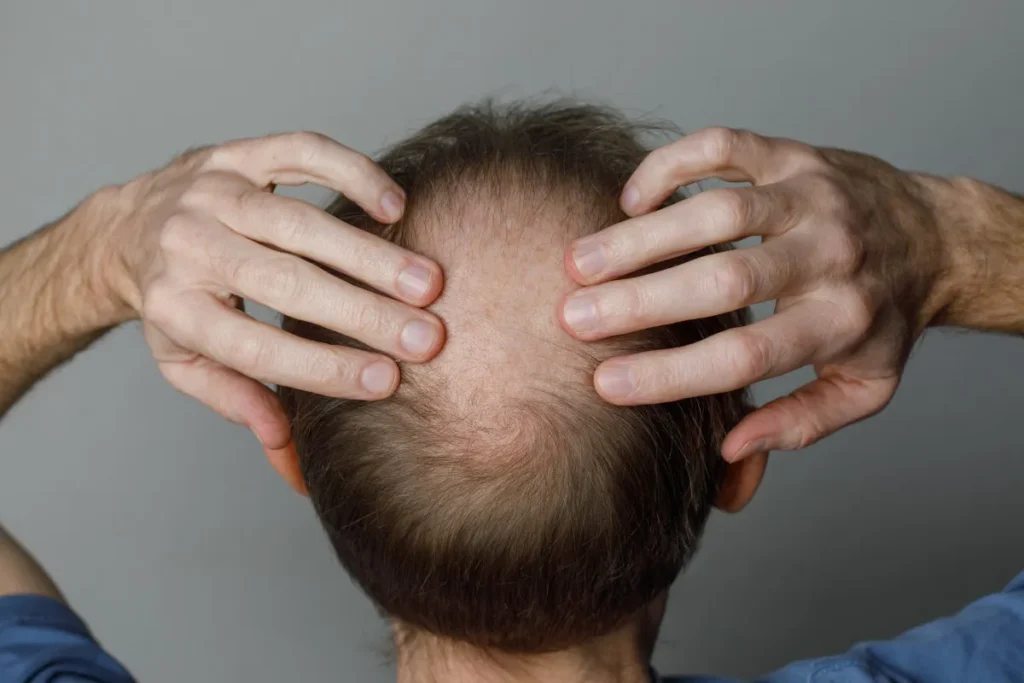
While a brief increase in hair loss can be harmless, certain triggers can prolong the shedding period, making how long does shedding last a pressing concern for many. Below are the most frequent culprits:
Physical and Emotional Stress
Acute stress—whether from surgery, illness, or a major life event—can push a significant number of hairs into the telogen stage. This type of telogen effluvium often becomes evident 2‑3 months after the stressful episode and may last several months before the cycle normalizes.
Hormonale veranderingen
Pregnancy, childbirth, and menopause cause rapid hormonal shifts that affect the hair follicle’s timing. Postpartum shedding, for example, typically begins 2‑4 months after delivery and can persist for up to a year, though most women see improvement within six months.
Medications and Treatments
Some drugs, such as beta‑blockers, oral contraceptives, and even topical minoxidil, can cause an initial surge in shedding. This phenomenon, known as “minoxidil shedding,” usually lasts 2‑8 weeks as follicles adjust to the increased blood flow and growth stimulation.
Voedingstekorten
Lack of iron, zinc, biotin, or protein can weaken hair shafts and accelerate shedding. Addressing these deficiencies through diet or supplements often shortens the shedding timeline.
- Stressful life events
- Hormonal fluctuations (pregnancy, menopause)
- Medications (beta‑blockers, minoxidil)
- Nutrient shortfalls (iron, zinc, protein)
Identifying the trigger is the first step toward reducing the duration of shedding and restoring a balanced growth cycle.
When Shedding Becomes a Concern: Warning Signs and When to Seek Help
Most shedding episodes resolve on their own, but certain patterns indicate that professional evaluation is advisable. Below are key warning signs that suggest the shedding phase may be extending beyond the typical timeframe.
| Indicator | Normal Range | Concerning Range |
|---|---|---|
| Daily hair loss | 50‑100 strands | Over 150 strands |
| Hair density change | No noticeable thinning | Visible thinning at crown or hairline |
| Duration of increased shedding | Up to 3 months | Beyond 6 months |
| Associated symptoms | None | Scalp itching, pain, or rash |
If you notice any of these red flags—especially a sustained loss of more than 150 hairs per day, rapid thinning, or accompanying scalp discomfort—it’s time to consult a specialist. Conditions such as androgenetic alopecia, autoimmune disorders (e.g., alopecia areata), or thyroid disease may masquerade as prolonged shedding but require targeted treatment.
Early intervention can shorten the shedding period, prevent permanent follicular damage, and improve overall outcomes.
Treatment Options and Strategies to Shorten the Shedding Phase
When shedding persists beyond the expected duration, a multi‑pronged approach often yields the best results. Below are evidence‑based strategies commonly recommended by dermatologists and trichologists.
Medische ingrepen
- Minoxidil: Applied topically, it prolongs the anagen phase and can reverse telogen effluvium after the initial shedding period.
- Finasteride (for men): Reduces dihydrotestosterone (DHT) levels, slowing follicular miniaturization.
- Iron or zinc supplementation: Corrects deficiencies that may be driving excess loss.
Lifestyle Adjustments
- Stress management: Techniques such as mindfulness, yoga, or regular exercise lower cortisol, which can shorten shedding.
- Balanced nutrition: Incorporate lean proteins, omega‑3 fatty acids, and a variety of fruits and vegetables.
- Gentle hair care: Avoid tight hairstyles, harsh chemicals, and excessive heat styling.
Targeted Therapies at Gold City Medical Center
Our clinic offers personalized treatment plans, including platelet‑rich plasma (PRP) therapy, low‑level laser therapy, and comprehensive hormonal assessments. These services address the root causes of prolonged shedding and support faster regrowth.
By combining medical, nutritional, and lifestyle measures, most patients see a reduction in shedding within 3‑6 months, with visible regrowth often beginning shortly thereafter.
Expected Timeline: How Long Does Shedding Typically Last?
The answer to how long does shedding last varies based on the underlying trigger, individual health, and the steps taken to intervene. Below is a general timeline for the most common scenarios:
- Acute telogen effluvium (stress, illness): 2‑4 months of increased loss, followed by gradual return to baseline within 6‑9 months.
- Postpartum shedding: Peaks around 3‑4 months after delivery, often normalizing by 12 months.
- Medication‑induced shedding (e.g., minoxidil): Initial surge lasts 2‑8 weeks; normal growth resumes after 3‑6 months of consistent use.
- Chronic hormonal or nutritional causes: May persist until the underlying imbalance is corrected, typically 6‑12 months with proper treatment.
Patience is key—hair grows at an average rate of 0.3‑0.5 mm per day, so visible improvement can take several months. Tracking progress with photographs and regular scalp assessments helps maintain motivation and ensures that any lingering issues are promptly addressed.
Why Choose Gold City Medical Center
Gold City Medical Center combines cutting‑edge medical expertise with a holistic approach to hair health. Our team of certified dermatologists, trichologists, and aesthetic specialists delivers personalized treatment plans that address both the symptoms and the root causes of shedding. From advanced PRP sessions to comprehensive hormonal testing, we ensure every patient receives evidence‑based care in a comfortable, state‑of‑the‑art environment.
Choosing us means benefiting from integrated services that blend medical precision with aesthetic excellence, helping you achieve lasting, natural‑looking results.
Ready to stop worrying about hair loss? Contact Gold City Medical Center today for a personalized consultation and take the first step toward healthier, fuller hair.
FAQ
How long does shedding last?
Shedding typically lasts from a few weeks up to several months, depending on the cause.
What is a normal amount of daily hair loss?
Losing 50‑100 hairs per day is considered normal.
Which factors can prolong the shedding phase?
Stress, hormonal changes, certain medications, and nutrient deficiencies can extend shedding.
When should I seek medical help for hair shedding?
Seek help if shedding exceeds 150 hairs daily, persists beyond 6 months, or is accompanied by scalp symptoms.
What treatments can shorten prolonged shedding?
Medical options like minoxidil, finasteride, supplements, plus lifestyle changes and advanced therapies can help.
How long does postpartum shedding usually last?
Postpartum shedding typically peaks at 3‑4 months after delivery and may normalize by 12 months.
Kan stress echt haaruitval veroorzaken?
Yes, severe stress can trigger telogen effluvium, leading to temporary shedding.





