When it comes to maintaining a healthy liver, liver vitamins play a pivotal role in supporting detoxification, regeneration, and overall metabolic balance. The liver processes everything we eat, drink, and inhale, making it one of the most vital organs for long‑term well‑being. Yet many people overlook the specific nutrients that help this organ function at its best.
Recent studies indicate that up to 30 % of adults experience some form of liver stress due to diet, alcohol, or environmental toxins. Incorporating the right vitamins can help mitigate damage and promote natural repair processes. In this article, we will explore the science behind liver‑supporting nutrients, identify the most effective supplements, and provide practical guidance on safe usage.
We’ll also discuss common misconceptions, potential interactions, and lifestyle habits that amplify the benefits of liver vitamins. Whether you’re looking to boost liver function, support a detox program, or simply maintain optimal health, the information here will help you make informed choices.
Understanding Liver Function and Nutrient Needs
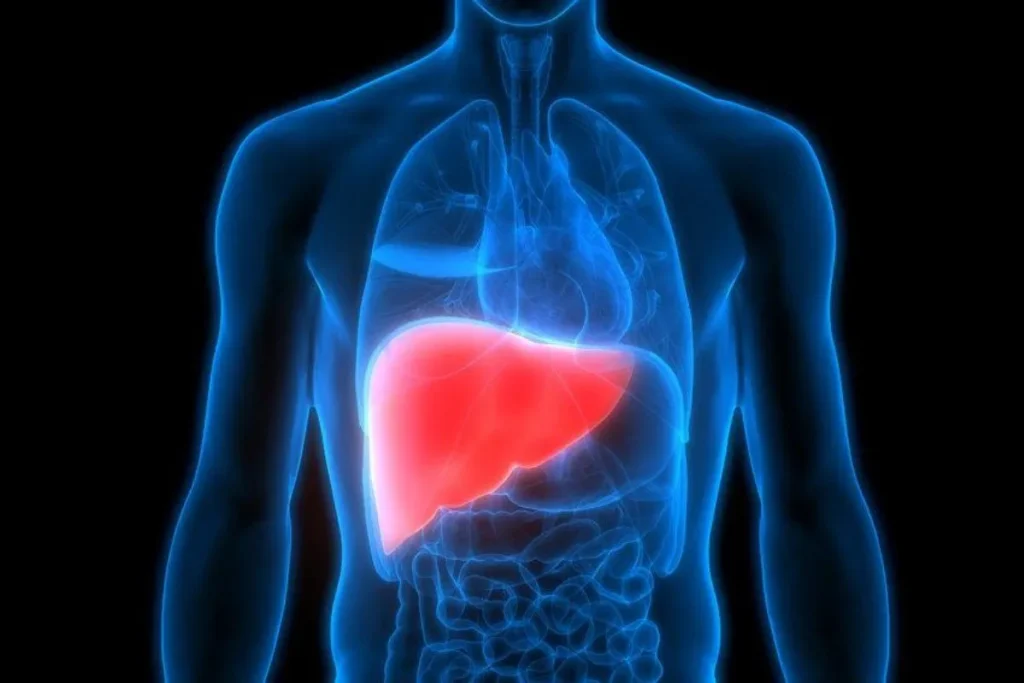
The liver is a metabolic powerhouse, responsible for filtering blood, producing bile, storing glycogen, and converting nutrients into usable forms. To perform these tasks efficiently, it requires a steady supply of specific vitamins and minerals.
Key Vitamins for Liver Support
Below is a concise overview of the most important vitamins that directly influence liver health.
| Vitamine | Primary Role in Liver Health | Key Food Sources |
|---|---|---|
| Vitamin A | Supports cellular regeneration and antioxidant defenses | Carrots, sweet potatoes, liver pâté |
| Vitamin C | Enhances detox enzymes and reduces oxidative stress | Citrus fruits, berries, bell peppers |
| Vitamin E | Protects liver membranes from lipid peroxidation | Nuts, seeds, spinach |
| Vitamin D | Modulates immune response and inflammation | Fatty fish, fortified dairy, sunlight exposure |
| Vitamin B‑Complex | Facilitates energy metabolism and methylation pathways | Whole grains, legumes, leafy greens |
These nutrients work synergistically, and deficiencies can impair the liver’s ability to detoxify harmful substances. For instance, low vitamin E levels have been linked to increased risk of non‑alcoholic fatty liver disease (NAFLD), while adequate vitamin C helps maintain glutathione, the liver’s chief antioxidant.
Top Natural Supplements for Liver Health
Beyond whole foods, many individuals turn to targeted supplements to ensure they receive therapeutic doses of liver‑supporting compounds. Among the most researched are herbal extracts and vitamin blends that complement the body’s natural detox pathways.
Milk Thistle (Silymarin)
Milk thistle is a time‑tested herb renowned for its silymarin complex, which stabilizes cell membranes and stimulates protein synthesis. Clinical trials have shown that regular intake can improve liver enzyme levels in people with mild hepatic inflammation.
Other Effective Liver Supplements
- Artichoke leaf extract – promotes bile production and lipid metabolism.
- Turmeric (curcumin) – powerful anti‑inflammatory and antioxidant properties.
- N‑acetylcysteine (NAC) – precursor to glutathione, enhancing detox capacity.
- Alpha‑lipoic acid – regenerates other antioxidants and supports mitochondrial health.
When selecting a supplement, consider the dosage, purity, and third‑party testing. A typical daily regimen might include 150 mg of silymarin, 500 mg of NAC, and 500 mg of turmeric extract with added black‑pepper oil for absorption.
How to Incorporate Liver Vitamins into Your Daily Routine
Integrating liver vitamins into everyday life requires thoughtful planning to maximize absorption and avoid interactions with medications or other nutrients.
Timing and Pairing
- Morning: Take fat‑soluble vitamins (A, D, E, K) with a healthy breakfast that includes healthy fats such as avocado or olive oil.
- Mid‑day: Vitamin C and B‑complex can be taken with a light lunch, enhancing energy metabolism.
- Evening: If using a liver‑support blend, consider taking it after dinner to coincide with the body’s natural detox phase.
Sample Daily Schedule
| Time | Supplement | Food Pairing |
|---|---|---|
| 08:00 AM | Vitamin A (10,000 IU) + Vitamin D (2,000 IU) | Greek yogurt with berries and a drizzle of olive oil |
| 12:00 PM | Vitamin C (500 mg) + B‑Complex | Quinoa salad with mixed vegetables |
| 06:00 PM | Milk thistle (150 mg) + NAC (600 mg) | Grilled salmon with steamed broccoli |
Consistency is key. Even on days when you feel fine, maintaining a regular intake helps the liver stay resilient against hidden toxins from processed foods, medications, or environmental pollutants.
Potential Risks and Interactions with Liver Supplements
While most liver‑supporting vitamins are safe for the general population, certain circumstances warrant caution.
Vaak voorkomende bijwerkingen
- Vitamin A toxicity – excessive intake can cause liver strain, headaches, and skin irritation.
- Vitamin E overuse – may interfere with blood clotting, especially when combined with anticoagulant medication.
- Milk thistle – generally well‑tolerated, but rare cases of gastrointestinal upset have been reported.
Drug Interactions
Some liver supplements can affect the metabolism of prescription drugs by influencing cytochrome P450 enzymes. For example, high doses of silymarin may reduce the effectiveness of certain chemotherapy agents or statins. Always consult a healthcare professional before beginning a new supplement regimen, especially if you are on chronic medication.
People with pre‑existing liver disease should undergo liver function testing prior to supplementation, ensuring that the chosen doses are appropriate and do not exacerbate underlying conditions.
Lifestyle Practices that Complement Liver Vitamin Therapy
Supplements work best when paired with holistic habits that reduce toxin load and promote regeneration.
Detox‑Friendly Nutrition
- Hydratatie – Aim for at least 2 L of water daily to facilitate toxin elimination.
- Cruciferous vegetables – Broccoli, cauliflower, and kale contain glucosinolates that support Phase II detox pathways.
- Fiber‑rich foods – Oats, legumes, and apples bind bile acids, helping the liver excrete waste.
Physical Activity and Rest
Regular moderate exercise improves circulation, which enhances nutrient delivery to the liver. Likewise, adequate sleep (7–9 hours) allows the body to perform nightly repair processes, including liver cell regeneration.
Mindful Alcohol Consumption
Even moderate alcohol intake can strain the liver’s detox capacity. Limiting alcohol to occasional, low‑quantity servings helps preserve the benefits of liver vitamins and reduces the risk of fatty liver disease.
Why Choose Gold City Medical Center
Gold City Medical Center offers an integrative approach that combines evidence‑based medicine with personalized nutrition and supplement plans. Our team of experienced physicians and nutrition specialists evaluates each patient’s liver function, lifestyle, and health goals to design a tailored regimen of liver‑supporting vitamins and complementary therapies. With state‑of‑the‑art diagnostic tools and a commitment to holistic wellness, we ensure safe, effective, and sustainable liver health solutions.
Ready to give your liver the support it deserves? Contact Gold City Medical Center today to schedule a comprehensive liver health assessment and receive a customized vitamin plan.
Take the first step toward a cleaner, healthier you—our specialists are here to guide you every step of the way.
FAQ
What are the key vitamins that support liver health?
The most important vitamins for liver health are A, C, D, E, and the B‑complex group.
How does milk thistle help the liver?
Milk thistle contains silymarin, which stabilizes liver cell membranes and promotes protein synthesis.
What is the recommended daily dosage for liver vitamins?
Dosages vary by vitamin, but common recommendations include 10,000 IU of vitamin A and 500 mg of vitamin C per day.
Can liver vitamins interact with medications?
Yes, certain liver‑supporting vitamins and herbs can affect drug metabolism, especially those processed by cytochrome P450 enzymes.
What lifestyle habits enhance the effectiveness of liver supplements?
Hydration, a diet rich in cruciferous vegetables, regular exercise, adequate sleep, and limited alcohol intake boost supplement benefits.
Are there risks of taking too much vitamin A for liver health?
Excessive vitamin A can cause liver toxicity, headaches, and skin irritation.
How can I incorporate liver vitamins into my daily routine?
Take fat‑soluble vitamins with a breakfast containing healthy fats, B‑complex and vitamin C at lunch, and herbal blends in the evening.





