Early signs of balding can appear subtly, often before you notice any obvious thinning. Understanding these cues helps you act promptly, potentially preserving hair density and confidence. In many cases, the first indication is a slight increase in hair shedding, especially after washing or brushing. Studies show that up to 30% of men notice noticeable hair loss before age 30, while many women experience thinning in their twenties.
In this article we explore the physiological processes behind hair loss, identify the visual cues that signal the start of balding, and outline practical steps you can take today. Whether you are concerned about a receding hairline, a widening part, or overall thinning, recognizing the early signs empowers you to seek professional advice and consider preventive measures.
We will also discuss lifestyle influences, medical interventions, and daily habits that support healthy hair growth. By the end, you will have a clear roadmap for monitoring your scalp, understanding underlying causes, and choosing the right treatment pathway at Gold City Medical Center.
Understanding Hair Loss: Types and Causes
Hair loss is not a singular condition; it encompasses several distinct disorders, each with unique triggers and progression patterns. The most common form, alopecia androgenetica, often referred to as male or female pattern baldness, is driven by genetics and hormonal factors. Other types include alopecia areata, an autoimmune condition that causes sudden patchy hair loss, and traction alopecia, resulting from chronic tension on the hair follicles.
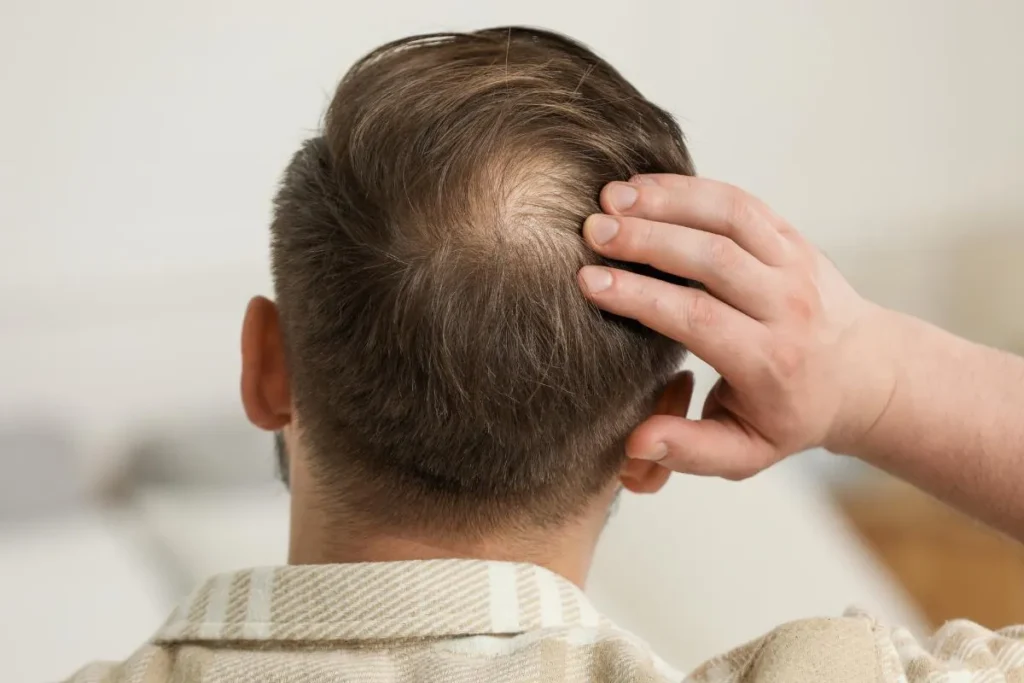
Below is a concise overview of the primary hair loss categories:
- Androgenetic Alopecia: Gradual thinning on the crown and frontal scalp, often beginning with a receding hairline.
- Alopecia Areata: Sudden, round patches of hair loss, sometimes progressing to total scalp loss.
- Telogeen Effluvium: Diffuse shedding triggered by stress, illness, or hormonal changes.
- Alopecia tractie: Hair loss caused by tight hairstyles, braids, or frequent pulling.
- Scarring Alopecia: Permanent loss due to inflammation that destroys hair follicles.
Understanding which type you are experiencing is essential for selecting appropriate treatment. While androgenetic alopecia is the most prevalent, especially in men, women often face a more diffuse pattern of thinning that can be mistaken for normal aging. Early detection of the specific cause can dramatically improve therapeutic outcomes.
Spotting the Early Indicators: What to Look For
Identifying the early signs of balding requires careful observation of both visual cues and daily hair shedding patterns. The following indicators often precede noticeable thinning:
- Increased hair shedding of more than 100 strands per day.
- Visible thinning along the hair part or at the temples.
- A widening part line, especially when the hair is wet.
- Emergence of a receding hairline forming an “M” shape.
- Reduced density on the crown, often described as a “horseshoe” pattern.
Additionally, you may notice a change in hair texture; newly grown hair can feel finer or softer. Monitoring these signs using a mirror or by photographing your scalp regularly can help you track progression over weeks or months.
For women, the early signs often manifest as overall thinning rather than a distinct pattern. A noticeable increase in hair on pillows, in the shower drain, or on combs can be an early warning sign. If you suspect any of these symptoms, consulting a specialist early can prevent further loss.
Lifestyle and Environmental Factors That Accelerate Balding
Beyond genetics, several lifestyle and environmental elements can hasten the onset of balding. Poor nutrition, chronic stress, and exposure to harsh chemicals all contribute to follicle weakening. Understanding these factors enables you to adopt protective habits.
| Factor | Impact on Hair | Mitigation Strategy |
|---|---|---|
| High Sugar Diet | Increases insulin resistance, leading to hormonal imbalance. | Adopt a low‑glycemic, nutrient‑dense diet rich in omega‑3 fatty acids. |
| Chronic Stress | Elevates cortisol, which can push hair follicles into the telogen phase. | Practice mindfulness, regular exercise, and adequate sleep. |
| Roken | Reduces blood flow to scalp, depriving follicles of oxygen. | Quit smoking; consider nicotine‑free alternatives. |
| Excessive Sun Exposure | UV damage weakens hair shaft and scalp skin. | Wear hats or use scalp‑friendly sunscreen. |
| Harsh Hair Products | Chemical irritants can inflame follicles. | Choose sulfate‑free, pH‑balanced shampoos. |
By addressing these modifiable factors, you can slow the progression of the early signs of balding and create a healthier environment for hair growth. Regular exercise, balanced nutrition, and stress‑management techniques are proven to support follicular resilience.
Medical Options for Early Intervention
When lifestyle adjustments are insufficient, medical treatments become essential. Early intervention offers the greatest chance of preserving existing hair and even stimulating new growth. The following therapies are commonly recommended for patients noticing the first signs of balding:
- Topical Minoxidil: An FDA‑approved solution that prolongs the growth phase of hair follicles.
- Oral Finasteride: A prescription medication that reduces DHT levels, slowing androgenetic alopecia.
- Low‑Level Laser Therapy (LLLT): Non‑invasive light treatment that stimulates cellular activity.
- Platelet‑Rich Plasma (PRP): Autologous injections that deliver growth factors to the scalp.
- Hair Transplant Surgery: Surgical relocation of healthy follicles to balding areas, often performed when other methods are insufficient.
Each option has distinct benefits and considerations. For example, minoxidil is readily available over the counter but requires consistent application, while finasteride is highly effective for men but may have hormonal side effects. PRP and laser therapy are popular for their minimal downtime, and hair transplantation offers a permanent solution for advanced cases.
Consultation with a qualified specialist at Gold City Medical Center allows for a personalized treatment plan, ensuring that the chosen approach aligns with your health profile and aesthetic goals.
Maintaining Healthy Hair: Prevention Tips and Daily Care
Even after beginning treatment, everyday habits play a crucial role in sustaining hair health. Integrating simple preventive measures can reinforce medical outcomes and keep the early signs of balding at bay.
- Use a gentle, sulfate‑free shampoo and condition only the lengths.
- Massage the scalp for 2–3 minutes daily to stimulate blood flow.
- Limit heat styling; when necessary, apply a protective serum.
- Maintain a diet rich in biotin, zinc, iron, and vitamin D.
- Schedule regular check‑ups to monitor hair density and adjust treatment.
Adopting these practices creates a supportive environment for hair follicles, maximizes the efficacy of any medical therapy, and helps you retain a fuller appearance for longer.
Why Choose Gold City Medical Center
Gold City Medical Center combines cutting‑edge medical expertise with a holistic approach to hair health. Our team of experienced dermatologists, surgeons, and aesthetic specialists collaborates to deliver personalized solutions, from early detection to advanced hair transplantation. With state‑of‑the‑art facilities and a commitment to patient‑centered care, we ensure every client receives safe, effective, and lasting results.
Ready to take control of your hair future? Contact Gold City Medical Center today to schedule a comprehensive scalp assessment and discover the most effective strategies for you.
Take the first step toward healthier hair—call now or visit our clinic for a personalized consultation.
FAQ
What are the earliest signs that I might be balding?
Early signs include increased daily hair shedding, a widening part line, thinning along the hair part, a receding hairline, and reduced density on the crown.
How do different types of hair loss affect early detection?
Androgenetic alopecia shows a patterned thinning, alopecia areata causes sudden patches, and telogen effluvium leads to diffuse shedding, each requiring distinct observation.
Which lifestyle factors can accelerate balding and how can they be mitigated?
High sugar diets, chronic stress, smoking, excessive sun exposure, and harsh hair products can speed up hair loss; adopting a low‑glycemic diet, stress‑management, quitting smoking, protecting the scalp, and using gentle products can help.
What medical treatments are available for early-stage balding?
Topical minoxidil, oral finasteride, low‑level laser therapy, platelet‑rich plasma injections, and hair transplant surgery are common options for early intervention.
How can I maintain healthy hair after beginning treatment?
Use gentle, sulfate‑free shampoos, massage the scalp daily, limit heat styling, eat a nutrient‑rich diet, and schedule regular check‑ups to monitor progress.





