Many people wonder whether a good diet for hair loss can truly influence the health of their scalp and strands. The answer is a resounding yes—nutrition plays a pivotal role in the growth cycle of hair follicles. In this article we explore the science behind dietary choices, highlight the nutrients that matter most, and provide practical meal‑planning advice to support stronger, thicker hair.
Hair loss affects up to 50 % of adults at some point in their lives, and stress, genetics, and hormonal changes often compound the problem. However, emerging research shows that a well‑balanced intake of protein, vitamins, and minerals can mitigate these factors and promote regeneration. By understanding which foods deliver the highest benefit, you can create a good diet for hair loss that works in harmony with any medical or cosmetic treatments you may be pursuing.
In the sections that follow, we will cover essential nutrients, daily meal strategies, supplement considerations, and lifestyle habits that together form a comprehensive approach to hair health. Whether you are experiencing early thinning or looking to preserve a full head of hair, these evidence‑based recommendations can serve as a solid foundation for lasting results.
Key Nutrients That Support Hair Health
Hair follicles are among the most metabolically active cells in the body, requiring a steady supply of building blocks to produce keratin, the protein that makes up each strand. The following nutrients are especially critical:
- Eiwit – Provides the amino acids necessary for keratin synthesis. Lean meats, fish, legumes, and dairy are excellent sources.
- IJzer – Supports oxygen transport to hair follicles. Red meat, spinach, and fortified cereals help maintain adequate levels.
- Zinc – Involved in DNA and RNA production, influencing cell division in the scalp. Oysters, pumpkin seeds, and chickpeas are rich in zinc.
- Vitamin A – Encourages sebum production, which keeps the scalp moisturized. Sweet potatoes, carrots, and kale supply beta‑carotene, a provitamin A.
- Vitamin C – Enhances iron absorption and protects follicles from oxidative stress. Citrus fruits, strawberries, and bell peppers are potent sources.
- Omega‑3 fatty acids – Reduce inflammation and improve scalp circulation. Fatty fish like salmon, walnuts, and flaxseeds deliver these essential fats.
Below is a quick reference table that matches each key nutrient with three food options and the approximate daily amount needed for optimal hair health.
| Nutrient | Food Sources (3) | Recommended Daily Intake |
|---|---|---|
| Eiwit | Chicken breast, Greek yogurt, lentils | 0.8–1.2 g per kg body weight |
| IJzer | Beef liver, fortified oatmeal, spinach | 8–18 mg (varies by gender) |
| Zinc | Oysters, pumpkin seeds, black beans | 8–11 mg |
| Vitamin A | Sweet potato, carrots, kale | 700–900 µg RAE |
| Vitamin C | Oranges, strawberries, red bell pepper | 75–90 mg |
| Omega‑3 | Salmon, walnuts, flaxseed oil | 250–500 mg EPA+DHA |
Integrating these foods into your daily meals creates a solid nutritional base for a good diet for hair loss. When deficiencies are corrected, many patients notice reduced shedding and a faster rate of new growth.
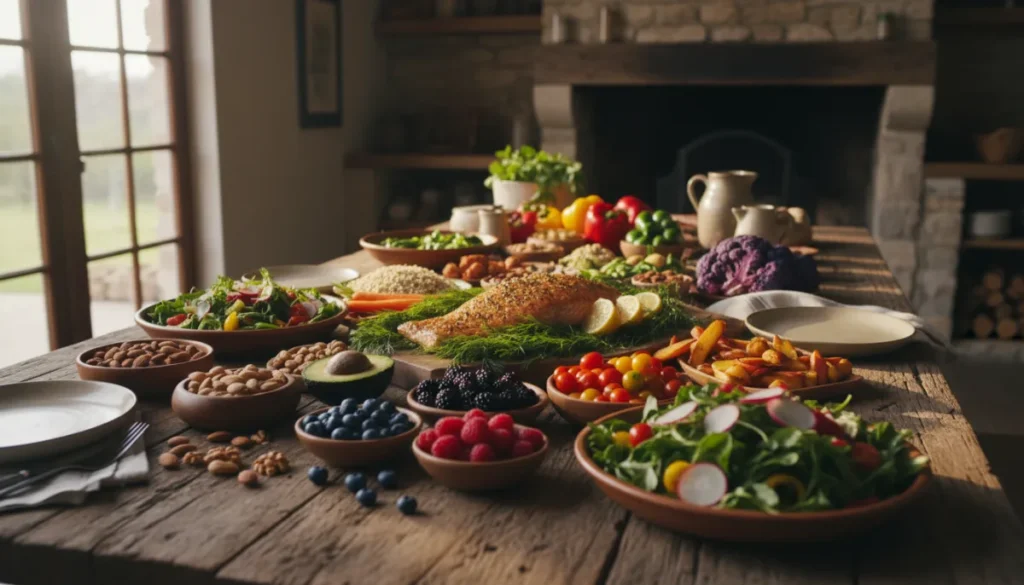
Building a Balanced Diet for Hair Growth
Designing a meal plan that consistently delivers the nutrients listed above is easier when you think in terms of food groups and portion balance. A typical day might look like this:
- Breakfast: Greek yogurt topped with mixed berries, a drizzle of honey, and a sprinkle of chia seeds.
- Mid‑morning snack: A small handful of almonds and an orange.
- Lunch: Grilled chicken salad with spinach, quinoa, avocado, and a lemon‑olive‑oil dressing.
- Afternoon snack: Carrot sticks with hummus.
- Dinner: Baked salmon, roasted sweet potatoes, and steamed broccoli.
This pattern ensures a steady intake of protein, iron, zinc, and vitamins A and C throughout the day. For those following vegetarian or vegan lifestyles, substitute animal proteins with lentils, tofu, tempeh, and incorporate iron‑rich plant foods paired with vitamin C to improve absorption.
When planning meals, keep the following principles in mind:
- Variety: Rotate different protein sources and colorful vegetables to cover a broad spectrum of micronutrients.
- Whole foods: Prioritize minimally processed ingredients to avoid excess sodium and additives that may impair nutrient uptake.
- Hydration: Adequate water intake supports circulation and helps transport nutrients to hair follicles.
By adhering to these guidelines, you create a good diet for hair loss that not only nourishes your scalp but also supports overall wellness.
Meal Planning Tips to Reduce Hair Loss
Consistent adherence to a nutrient‑dense diet can be challenging without proper planning. Here are practical strategies to keep you on track:
- Batch cooking: Prepare large portions of protein (e.g., baked salmon or roasted turkey) on weekends and store in portion‑size containers for quick weekday meals.
- Smart grocery lists: Organize your shopping list by food groups—protein, leafy greens, fruits, nuts—to ensure you never miss a key ingredient.
- Snack prep: Portion out nuts, seeds, and dried fruit in reusable bags so healthy options are always at hand.
- Use a nutrition tracker: Apps can help you monitor macronutrient ratios and confirm you’re meeting daily protein and micronutrient targets.
For those concerned about weight management, note that a good diet for hair loss does not require excessive calories. Focus on nutrient density rather than volume. A typical adult may need 1,800–2,200 kcal per day, with protein constituting 15‑25 % of total calories.
Incorporating these habits reduces the likelihood of nutrient gaps that can accelerate hair shedding. Moreover, a well‑structured plan minimizes reliance on processed foods that often lack the vitamins and minerals essential for hair regeneration.
Supplements and Vitamins: When Food Isn’t Enough
Even with the best dietary habits, some individuals may still experience deficiencies that affect hair growth. In such cases, targeted supplements can fill the gaps. Popular options include:
- Biotin (Vitamin H) – Supports keratin production; typical doses range from 2,500 µg to 5,000 µg daily.
- Vitamin D – Influences hair follicle cycling; deficiency is common in higher latitudes. A daily supplement of 1,000–2,000 IU is often recommended.
- Iron tablets – For those with documented anemia; always taken under medical supervision.
- Omega‑3 capsules – Provide EPA/DHA when fish intake is low; 1,000 mg per day is a common dose.
Before adding any supplement to your routine, it is advisable to have blood work performed to identify specific deficiencies. Over‑supplementation can be counterproductive—excessive vitamin A, for example, has been linked to hair loss.
When used appropriately, supplements act as a complement to a good diet for hair loss, ensuring that the body receives a complete profile of nutrients required for optimal follicle function.
Lifestyle Factors That Complement a Good Diet
Nutrition is only one piece of the puzzle. Several lifestyle habits can amplify the benefits of a good diet for hair loss:
- Stress management: Chronic stress elevates cortisol, which can disrupt the hair growth cycle. Practices such as mindfulness meditation, yoga, or regular exercise help lower stress levels.
- Adequate sleep: Aim for 7–9 hours per night to allow the body to repair and regenerate tissues, including hair follicles.
- Avoid harsh styling: Excessive heat, tight hairstyles, and chemical treatments can cause mechanical damage that masks nutritional gains.
- Regular scalp massage: Stimulates blood flow, delivering nutrients more efficiently to the follicles.
Combining these habits with a nutrient‑rich eating plan creates a synergistic effect, enhancing both the speed and quality of hair regrowth. Patients who adopt a holistic approach often report faster, more sustainable results compared with those who rely on a single intervention.
Remember, a good diet for hair loss is most effective when it is part of an overall healthy lifestyle that includes medical guidance when needed.
Why Choose Gold City Medical Center
Gold City Medical Center combines cutting‑edge medical expertise with a holistic approach to hair restoration. Our integrative services include personalized nutritional counseling, advanced hair transplant techniques, and comprehensive cosmetic treatments—all tailored to each patient’s unique needs. By partnering nutrition with clinical care, we help you achieve lasting results that go beyond surface‑level solutions.
Our team of experienced physicians and nutrition specialists works together to create individualized plans that address the root causes of hair loss. Whether you are seeking preventative guidance or looking to complement a hair transplant, Gold City Medical Center offers the knowledge, technology, and compassionate care to support your journey toward healthier hair.
Ready to start your transformation? Contact Gold City Medical Center today to schedule a personalized consultation and discover how a targeted diet can enhance your hair‑restoration goals.
Take the first step toward stronger, fuller hair—reach out now and let our experts guide you.
FAQ
How does diet affect hair loss?
Nutrition provides the building blocks needed for hair follicles to grow and stay healthy, influencing shedding and regrowth.
Which nutrients are most important for hair growth?
Protein, iron, zinc, vitamins A, C, and omega‑3 fatty acids are the key nutrients that support healthy hair.
What are some easy meal ideas to support hair health?
Simple meals like Greek yogurt with berries, grilled chicken salads, and baked salmon with sweet potatoes provide the needed nutrients.
Can supplements replace a good diet for hair loss?
Supplements can fill gaps but should not replace a nutrient‑rich diet; they work best when used alongside proper food intake.
What lifestyle habits complement a hair‑supportive diet?
Managing stress, getting adequate sleep, avoiding harsh styling, and regular scalp massage enhance the benefits of a good diet.





