Many people wonder, can you increase hair density, especially when thinning strands become noticeable. This article delves into the science behind hair density, practical strategies, and advanced treatments that can help you achieve a fuller, healthier look.
Hair density refers to the number of hairs per square centimetre on the scalp. A lower density can result from genetics, hormonal changes, stress, or nutritional deficiencies. Understanding these factors is the first step toward effective improvement.
Recent studies show that up to 40% of adults experience some degree of hair thinning by the age of 35, making it a common concern across both genders. Whether you are seeking subtle enhancement or a more pronounced transformation, there are evidence‑based options available.
In the sections that follow, we will explore medical interventions, lifestyle adjustments, and the specialized services offered by Gold City Medical Center that together create a comprehensive plan for increasing hair density.
Understanding Hair Density and Its Causes
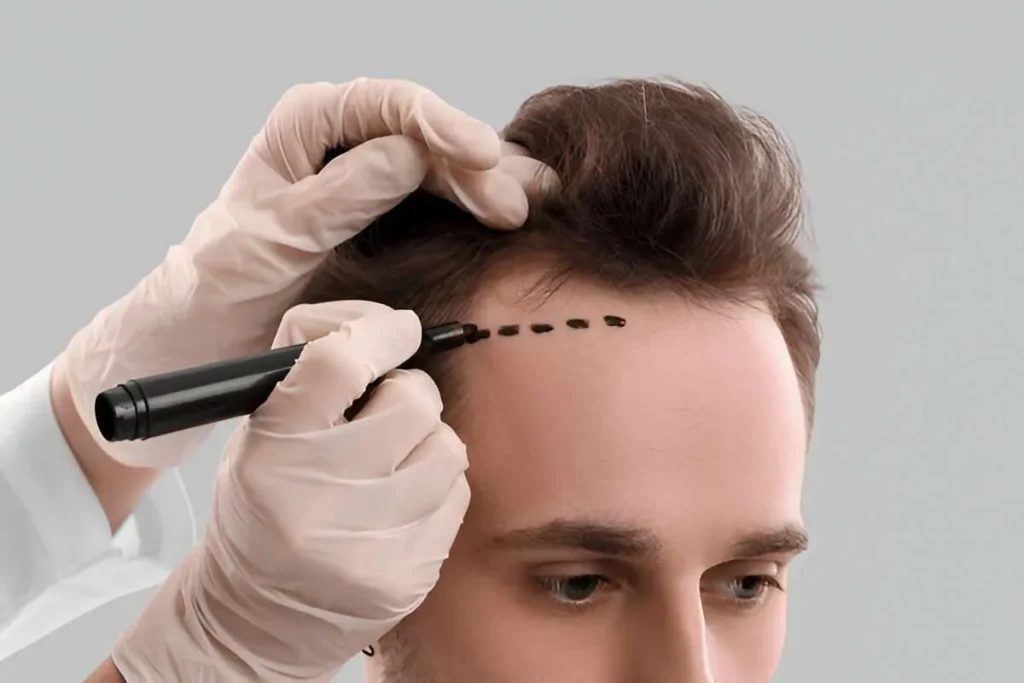
Hair density is determined by the number of active follicles in each square centimetre of scalp. A typical healthy scalp contains 80‑120 hairs per cm². Factors that reduce this number include:
- Genetic predisposition – the most common cause of patterned thinning.
- Hormonal fluctuations – especially dihydrotestosterone (DHT) in men and estrogen changes in women.
- Nutritional deficits – lack of protein, iron, zinc, or biotin.
- Stress and illness – can push follicles into a resting phase.
- Improper hair care – excessive heat, tight hairstyles, and harsh chemicals.
Understanding whether your hair loss is primarily haargroei related or due to external factors guides the choice of treatment. For instance, a hormonal imbalance may respond best to medication, while nutrition‑related thinning benefits from dietary adjustments.
Diagnosing the exact cause often involves a scalp examination, blood tests, and, in some cases, a trichogram to assess the growth cycle of existing hairs. Early detection increases the likelihood of successful density improvement.
Medical Treatments to Boost Hair Density
When it comes to medically proven ways to increase hair density, several options stand out for their efficacy and safety.
Finasteride and Minoxidil
Finasteride, an oral DHT blocker, and topical minoxidil are the two most widely used FDA‑approved treatments for androgen‑related thinning. Finasteride reduces hair follicle miniaturization, while minoxidil stimulates the growth phase (anagen) of existing hairs.
Platelet‑Rich Plasma (PRP) Therapy
PRP involves drawing a small amount of your blood, concentrating the platelets, and injecting them into the scalp. Growth factors released from the platelets can revitalize dormant follicles and encourage new hair growth.
Low‑Level Laser Therapy (LLLT)
LLLT devices emit red light that penetrates the scalp, improving cellular metabolism and blood flow. Regular use has been linked to modest increases in hair density.
| Behandeling | Mechanism | Typical Results (6‑12 months) | Considerations |
|---|---|---|---|
| Finasteride | DHT inhibition | 10‑20% increase in density | Requires daily oral dose; monitor prostate health. |
| Minoxidil | Vasodilation & follicle stimulation | 5‑15% increase in density | Topical; may cause scalp irritation. |
| PRP-therapie | Growth factor release | 15‑30% increase in density | Multiple sessions needed; cost varies. |
| LLLT | Cellular metabolism boost | 5‑10% increase in density | Consistent use required; device purchase. |
Each of these treatments can be combined for synergistic effects, but they should be administered under the guidance of a qualified specialist to ensure optimal outcomes.
Lifestyle and Natural Strategies for Thicker Hair
While medical options are powerful, everyday habits play a crucial role in supporting hair density. Incorporating the following natural strategies can complement clinical treatments.
Voeding
A diet rich in protein, iron, omega‑3 fatty acids, and vitamins A, C, D, and E provides the building blocks for robust hair. Foods such as lean meats, legumes, spinach, nuts, and fatty fish are especially beneficial.
Scalp Care
Gentle cleansing with sulfate‑free shampoos, regular scalp massages, and occasional use of essential oil blends (e.g., rosemary and peppermint) can improve circulation and promote follicle health.
Stress Management
Chronic stress elevates cortisol levels, which can disrupt the hair growth cycle. Practices like yoga, meditation, and regular exercise help maintain hormonal balance.
Supplementen
Biotin, zinc, and marine collagen supplements have shown modest benefits in increasing hair thickness when dietary intake is insufficient. Always consult a healthcare professional before starting any supplement regimen.
- Eat a protein‑rich breakfast daily.
- Include iron‑dense foods like lentils and red meat.
- Use a gentle, pH‑balanced shampoo twice a week.
- Massage the scalp for 5 minutes each night.
- Practice a 10‑minute mindfulness meditation each morning.
Consistent application of these lifestyle habits can enhance the effectiveness of medical treatments and may, on their own, lead to measurable improvements in hair density over time.
Procedures and Advanced Options at Gold City Medical Center
Gold City Medical Center offers a comprehensive suite of hair restoration services designed to increase hair density with precision and lasting results.
FUE (Follicular Unit Extraction) Transplant
FUE involves harvesting individual follicular units from the donor area (usually the back of the scalp) and implanting them into thinning zones. This method preserves donor density and yields natural‑looking growth.
Robotic‑Assisted Hair Transplant
Using state‑of‑the‑art robotic technology, the procedure achieves higher accuracy, reduced transection rates, and faster recovery. The robot maps each graft to optimize placement density.
Combination Therapy
Gold City often combines FUE with PRP sessions to accelerate graft survival and enhance overall density. Patients may also receive adjunctive minoxidil therapy post‑procedure.
| Service | Typical Sessions | Average Graft Yield | Recovery Time |
|---|---|---|---|
| FUE Transplant | 1‑2 | 1,500‑3,500 grafts | 7‑10 days |
| Robotic‑Assisted | 1‑2 | 2,000‑4,000 grafts | 5‑9 days |
| PRP Boost | 3‑6 (monthly) | – | Minimal |
All procedures are performed by board‑certified specialists who tailor the treatment plan to each individual’s scalp characteristics, ensuring the best possible increase in hair density.
Maintaining Results and Long‑Term Care
Achieving higher hair density is only the first step; maintaining those results requires ongoing care.
Follow‑Up Appointments
Regular check‑ups allow the medical team to monitor graft survival, adjust topical treatments, and address any emerging concerns promptly.
Continued Topical Therapy
Even after a successful transplant, using minoxidil or a physician‑prescribed serum can help sustain follicle activity and prevent regression.
Protective Styling
Avoid tight hairstyles that place tension on the newly transplanted area. Opt for loose, breathable styles and use gentle hair accessories.
Seasonal Care
UV exposure can weaken hair shafts. Wearing a hat or using a UV‑protective spray during summer months helps preserve both natural and transplanted hair.
By integrating these maintenance practices, most patients experience a lasting improvement in hair density, often seeing a 20‑30% increase in overall coverage within a year.
Why Choose Gold City Medical Center
Gold City Medical Center combines cutting‑edge technology with a holistic approach to hair health. Our team of experienced physicians, surgeons, and aesthetic specialists delivers personalized treatment plans that focus on both medical efficacy and patient comfort. With a reputation for excellence in integrative healthcare, we prioritize safety, results, and a seamless experience from consultation through long‑term follow‑up.
Ready to transform your hair and boost density? Contact Gold City Medical Center today to schedule a personalized consultation and discover the best solution for your unique needs.
Take the first step toward fuller, healthier hair—your confidence is just a call away.
FAQ
Can you increase hair density naturally?
Yes, lifestyle changes such as proper nutrition, scalp care, stress management, and supplements can improve hair density.
What medical treatments are most effective for increasing hair density?
Finasteride, minoxidil, PRP therapy, and low‑level laser therapy are the most evidence‑based options.
How does PRP therapy help with hair density?
PRP delivers growth factors that stimulate dormant follicles and promote new hair growth.
What is the difference between FUE and robotic‑assisted hair transplant?
FUE manually extracts individual grafts, while robotic‑assisted transplant uses AI‑driven technology for higher precision and faster recovery.
Which nutrients are essential for improving hair density?
Protein, iron, zinc, biotin, omega‑3 fatty acids, and vitamins A, C, D, and E are key for healthy hair.
Hoe lang duurt het voordat ik resultaat zie na een haartransplantatie?
Visible improvements typically appear after 3‑6 months, with full density achieved around 12‑18 months.





