In recent years, stem cell therapy hair restoration has emerged as a cutting‑edge solution for individuals struggling with thinning hair or baldness. This article explains the science behind the treatment, the benefits you can expect, and how Gold City Medical Center ensures a safe, personalized experience. Did you know that over 30 % of men and women experience noticeable hair loss by age 40? Traditional methods like medication or hair transplantation often have limitations, prompting many to explore regenerative options. By the end of this guide, you’ll understand why stem cell‑based approaches are gaining popularity and how they may fit into your hair‑recovery plan.
We’ll walk through the biological mechanisms, the step‑by‑step procedure, and compare this therapy with conventional hair transplant techniques. Whether you’re curious about the potential for regrowth, the cost considerations, or the expertise required, this comprehensive overview equips you with the knowledge to make an informed decision.
Let’s dive into the world of regenerative hair care and uncover what makes stem cell therapy a promising avenue for lasting hair restoration.
How Stem Cell Therapy Works for Hair Growth
Stem cell therapy leverages the body’s own regenerative capacity to stimulate dormant hair follicles. The process begins with the extraction of a small sample of adipose tissue or bone marrow, which is rich in mesenchymal stem cells (MSCs). These cells are then isolated, processed, and prepared for injection directly into the scalp’s thinning zones.
Once injected, the stem cells release growth factors and cytokines that:
- Activate quiescent hair follicles.
- Promote the formation of new follicular units.
- Enhance vascularization, delivering essential nutrients to the scalp.
Research indicates that stem cell therapy for hair loss can increase hair density by up to 30 % after a series of treatments. The treatment’s efficacy is often amplified when combined with exosomes for hair—tiny vesicles that carry signaling molecules to further boost cell communication and tissue repair.
Unlike traditional hair transplantation, which relocates existing follicles, stem cell approaches aim to rejuvenate the scalp environment, making it more conducive to natural hair growth. This distinction is crucial for patients with diffuse thinning where donor hair is limited.
Benefits and Expected Results of Stem Cell Hair Treatment
Patients who opt for stem cell hair treatment often report several advantages over conventional methods. First, the procedure is minimally invasive, typically performed under local anesthesia, resulting in reduced downtime. Second, because the therapy utilizes the patient’s own cells, the risk of allergic reactions or graft rejection is virtually eliminated.
Key benefits include:
| Benefit | Explanation |
|---|---|
| Natural‑looking regrowth | Hair emerges from existing follicles, matching texture and color. |
| Verbeterde gezondheid van de hoofdhuid | Enhanced blood flow and reduced inflammation support long‑term vitality. |
| Scalable treatment | Multiple sessions can target larger areas without needing donor grafts. |
| Compatibility with other therapies | Can be combined with PRP, low‑level laser therapy, or medication. |
Typical results become noticeable within 3–4 months after the initial series of injections, with full effects often evident by the 9‑month mark. While individual outcomes vary, most patients experience a measurable increase in hair thickness and coverage, especially when the treatment plan includes maintenance sessions.
It’s important to set realistic expectations: stem cell therapy is not an instant miracle but a progressive regeneration process. Consistency and adherence to post‑procedure care—such as gentle scalp massage and avoiding harsh chemicals—greatly influence final results.
Procedure Overview: From Consultation to Post‑Care
The journey begins with a comprehensive consultation where a specialist evaluates your scalp condition, medical history, and hair loss pattern. Advanced imaging, such as trichoscopy, helps determine the suitability of stem cell hair restoration and establishes a personalized treatment roadmap.
Typical steps include:
- Initial Assessment – Detailed discussion, scalp analysis, and discussion of goals.
- Cell Harvesting – Small liposuction or bone marrow aspiration performed under local anesthesia.
- Laboratory Processing – Stem cells are isolated, purified, and prepared for injection.
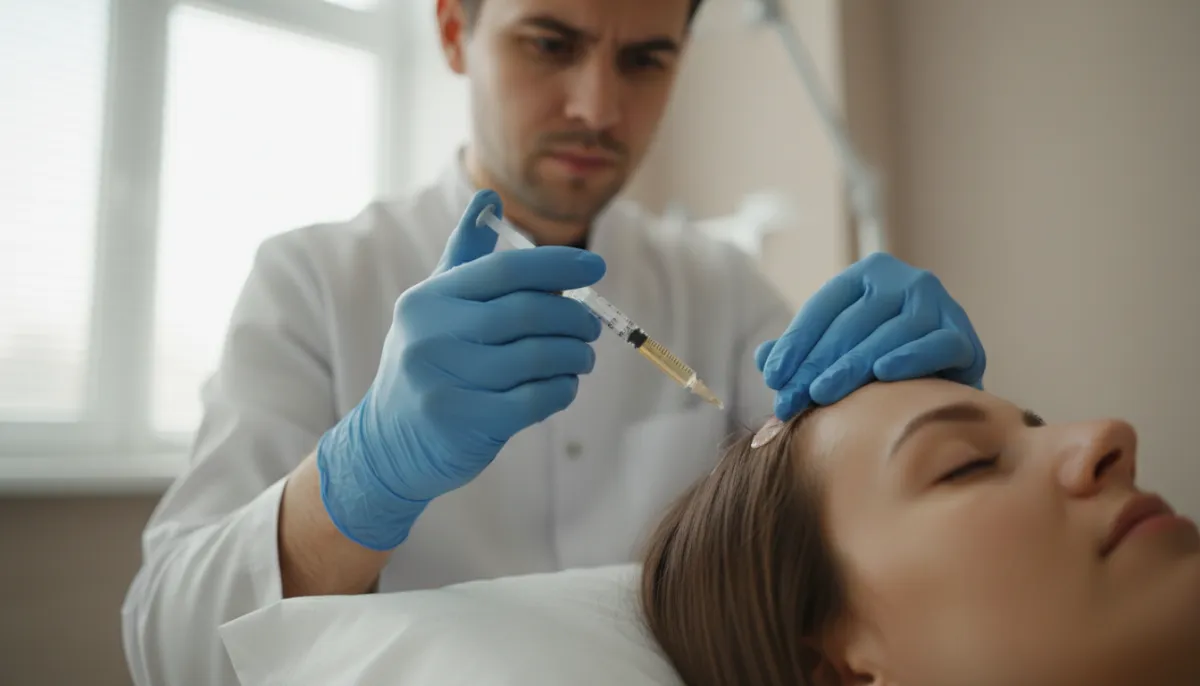
- Scalp Injection – Precise micro‑injections are administered into the targeted zones.
- Recovery and Follow‑Up – Patients receive a post‑procedure care plan, including gentle cleansing, nutrition advice, and scheduled follow‑up visits.
Each session typically lasts 60–90 minutes, and a full treatment course may consist of 3–4 sessions spaced 4–6 weeks apart. The clinic provides detailed after‑care instructions to minimize swelling and ensure optimal cell viability.
Patients often wonder about the use of exosomes for hair loss in conjunction with stem cells. Exosomes can be added to the injection mixture to enhance signaling pathways, potentially accelerating follicle activation. However, the decision to incorporate exosomes depends on individual scalp health and physician recommendation.
Comparing Stem Cell Hair Restoration with Traditional Hair Transplant Options
When evaluating hair‑restoration solutions, it’s essential to compare the regenerative approach of stem cell therapy with the mechanical method of hair transplantation. Below is a side‑by‑side comparison highlighting key differences.
| Aspect | Stem Cell Therapy | Traditional Hair Transplant |
|---|---|---|
| Invasiveness | Minimally invasive; small needle injections. | Surgical extraction of donor grafts. |
| Donor Site Requirement | None; uses patient’s own stem cells. | Requires healthy donor area, typically back of scalp. |
| Recovery Time | 1–3 days of mild discomfort. | 7–10 days of swelling and scabbing. |
| Scalability | Can treat large areas without additional donor tissue. | Limited by donor hair availability. |
| Long‑Term Results | Gradual regrowth; may need maintenance sessions. | Permanent grafts; results visible after 12 months. |
Both approaches have their place. For patients with extensive thinning and limited donor hair, stem cell hair regrowth offers a viable alternative. Conversely, individuals seeking immediate, permanent grafts may favor traditional transplantation. Consulting with a qualified specialist helps determine the optimal path based on your unique hair loss pattern.
Cost, Availability, and Choosing a Qualified Clinic
The cost of stem cell therapy for hair restoration varies based on the number of sessions, the source of stem cells, and any adjunct treatments like exosomes. In the Netherlands, a typical package ranges from €3,500 to €6,500 for a full course, which includes consultation, cell processing, and follow‑up care.
Key factors influencing price include:
- Source of stem cells (adipose vs. bone marrow).
- In‑house laboratory facilities.
- Experience of the medical team.
- Inclusion of complementary therapies (PRP, laser).
When selecting a clinic, prioritize the following criteria:
- Medical Credentials – Board‑certified dermatologists or plastic surgeons with specific training in regenerative medicine.
- Transparent Protocols – Clear explanation of cell harvesting, processing, and injection techniques.
- Clinical Evidence – Access to before‑and‑after documentation, peer‑reviewed studies, or patient testimonials.
- Regulatory Compliance – Adherence to national health regulations and ethical standards for stem cell use.
Gold City Medical Center meets all these standards, offering a fully integrated approach that combines expertise in medical treatments, beauty services, and hair transplants. Their state‑of‑the‑art facility ensures that each step—from cell extraction to scalp injection—is performed under strict quality controls.
Why Choose Gold City Medical Center
Gold City Medical Center brings together a multidisciplinary team of experienced physicians, certified nurses, and laboratory specialists dedicated to delivering safe and effective hair‑restoration solutions. With a focus on integrative healthcare, the center blends cutting‑edge stem cell technology with personalized care plans, ensuring each patient receives a treatment tailored to their specific needs. Their commitment to transparency, rigorous safety protocols, and ongoing research makes them a trusted partner for anyone seeking reliable, innovative hair regrowth options.
Ready to explore how stem cell therapy can revitalize your hair? Contact Gold City Medical Center today to schedule your personalized consultation and take the first step toward a fuller, healthier scalp.
FAQ
How does stem cell therapy promote hair growth?
Stem cells release growth factors that activate dormant follicles and stimulate new follicular units.
What are the benefits of stem cell hair treatment compared to traditional transplants?
It is minimally invasive, uses the patient’s own cells, and can treat large areas without donor hair.
What does the stem cell hair restoration procedure involve?
It includes consultation, cell harvesting, laboratory processing, scalp injection, and post‑care follow‑up.
How many sessions are needed and what is the typical recovery time?
Most patients undergo 3–4 sessions spaced 4–6 weeks apart, with 1–3 days of mild discomfort.
Is stem cell therapy for hair loss safe and what are the risks?
It is considered safe because it uses the patient’s own cells, with rare side effects.
How much does stem cell hair restoration cost in the Netherlands?
A full treatment package typically ranges from €3,500 to €6,500.





