Discovering brown spots suddenly appearing on skin can be unsettling, especially when they emerge without an obvious trigger. These pigmented patches may range from harmless age spots to early signs of more serious conditions such as melanoma. Understanding the underlying mechanisms, recognizing warning signs, and knowing when to seek professional care are essential steps toward maintaining skin health.
In this article, we explore the science behind rapid pigment changes, outline common and uncommon causes, and provide clear guidance on diagnosis and treatment options. Whether you’re concerned about cosmetic appearance or potential health risks, the information here will help you make informed decisions.
Recent dermatology studies indicate that up to 12% of adults notice new dark patches within a year, highlighting the importance of timely evaluation. By the end of this guide, you’ll know how to differentiate benign spots from those requiring urgent attention and what solutions are available at Gold City Medical Center.
Understanding Sudden Brown Spots: What They Are
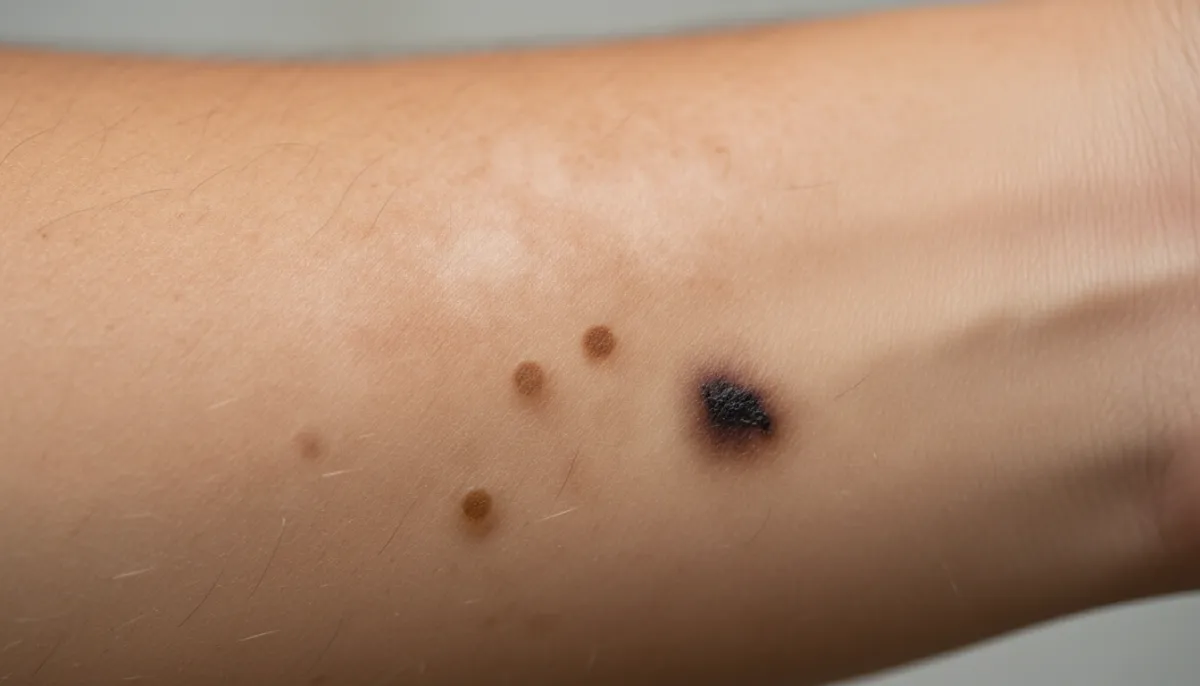
When brown spots suddenly appearing on skin catch your eye, they are typically a form of hyperpigmentation—an increase in melanin production that darkens the skin. These spots can be classified into several types, each with distinct characteristics and causes.
- Solar lentigines (commonly called age spots or liver spots) are flat, brown patches caused by chronic sun exposure.
- Melanocytic nevi are benign moles that may darken rapidly due to hormonal changes.
- Post‑inflammatory hyperpigmentation follows skin injury, acne, or inflammation and can appear suddenly.
- Melanoma is a malignant tumor that can manifest as an irregular, dark spot that changes quickly.
Distinguishing between these types is crucial because the management strategies differ significantly. While many brown spots are harmless, a sudden change in size, color, or texture warrants closer scrutiny.
Veelvoorkomende oorzaken en risicofactoren
Several factors can trigger the rapid appearance of brown spots. Understanding these can help you identify preventable contributors and recognize when lifestyle changes might reduce future occurrences.
Sun Exposure
Ultraviolet (UV) radiation stimulates melanin production as a protective response. Over time, cumulative sun damage leads to solar lentigines, often referred to as sun spots. Even brief, intense exposures—such as a beach day without sunscreen—can accelerate pigment changes.
Hormonal Fluctuations
Pregnancy, oral contraceptives, and hormone replacement therapy can increase melanin synthesis, resulting in melasma or sudden dark patches, especially on the face.
Medications and Chemicals
Some drugs, including certain antibiotics, antimalarials, and chemotherapy agents, can cause hyperpigmentation as a side effect. Topical agents like hydroquinone, if misused, may also lead to uneven darkening.
Genetische aanleg
Individuals with a family history of pigment disorders are more likely to develop brown spots, especially when combined with environmental triggers.
| Cause | Typical Appearance | Common Locations |
|---|---|---|
| Sun exposure | Flat, uniform brown patches | Forearms, hands, face |
| Hormonale veranderingen | Irregular, often symmetric dark areas | Cheeks, forehead, upper lip |
| Medication side effects | Diffuse or localized darkening | Varies by drug |
| Genetica | Early‑onset lentigines | Anywhere on the body |
When to Seek Medical Attention: Red Flags
Not all brown spots are benign. Certain characteristics may indicate a higher risk of skin cancer or other serious conditions. Prompt evaluation by a dermatologist or a qualified medical professional at Gold City Medical Center can be lifesaving.
ABCDE Rule for Melanoma
Assess any new or changing spot using the ABCDE criteria:
- Asymmetry: One half does not match the other.
- Border: Irregular, scalloped, or poorly defined edges.
- Color: Varied shades of brown, black, red, or blue.
- Diameter: Larger than 6 mm (about the size of a pencil eraser).
- Evolving: Noticeable changes over weeks or months.
If any of these signs are present, schedule an appointment immediately.
Other Warning Signs
Additional concerning features include itching, bleeding, ulceration, or a rapid increase in size. Persistent dark patches that do not fade with standard skin‑lightening measures should also be evaluated.
Early detection of melanoma dramatically improves treatment outcomes, with five‑year survival rates exceeding 90% when caught at an early stage.
Diagnosis and Testing Options
Accurate diagnosis begins with a thorough visual inspection, but several diagnostic tools can provide deeper insight into the nature of sudden brown spots.
Dermatoscopy
A handheld dermatoscope magnifies the lesion, revealing pigment patterns, vascular structures, and other features invisible to the naked eye. This non‑invasive technique helps differentiate benign lentigines from malignant melanoma.
Biopsy Procedures
If dermatoscopic findings are ambiguous, a skin biopsy may be performed. Types include:
- Punch biopsy: Removes a small cylindrical core for histopathology.
- Excisional biopsy: Entire lesion is removed, often when melanoma is suspected.
- Shave biopsy: Superficial removal, suitable for raised lesions.
Pathology results confirm the diagnosis and guide treatment planning.
Laboratory Tests
In rare cases, blood tests evaluating hormone levels or liver function may be ordered if systemic causes of hyperpigmentation are suspected.
Treatment Options: Medical and Cosmetic Approaches
Treatment strategies depend on the underlying cause, lesion size, and patient preferences. Options range from topical therapies to advanced laser procedures.
Topical Agents
For benign hyperpigmentation, prescription creams containing hydroquinone, retinoids, or azelaic acid can gradually lighten spots. Consistent use over several weeks is typically required.
Laser and Light Therapies
Procedures such as intense pulsed light (IPL), Q‑switched lasers, and fractional resurfacing target melanin particles, breaking them down for natural clearance. These treatments are performed by trained dermatologists and offer rapid results with minimal downtime.
Cryotherapy
Freezing suspicious lesions with liquid nitrogen can destroy abnormal cells. Cryotherapy is effective for certain benign lesions and early‑stage melanoma in situ, though follow‑up monitoring is essential.
Surgical Excision
When malignancy is confirmed, surgical removal with clear margins is the standard of care. Reconstruction techniques may be employed to minimize scarring.
Integrative Care at Gold City Medical Center
Our multidisciplinary team combines medical expertise with aesthetic sensibility, ensuring that patients receive comprehensive care—from accurate diagnosis to personalized treatment plans that consider both health and appearance.
Why Choose Gold City Medical Center
Gold City Medical Center offers an integrative approach that blends cutting‑edge dermatological care with aesthetic expertise. Our board‑certified specialists use state‑of‑the‑art diagnostic tools and personalized treatment protocols to address both the medical and cosmetic aspects of sudden brown spots. With a commitment to patient education, safety, and results, we provide a trusted environment for skin health and rejuvenation.
Ready to uncover the cause of your new brown spots and explore effective treatment options? Contact Gold City Medical Center today to schedule a comprehensive skin assessment and take the first step toward clearer, healthier skin.
FAQ
What causes sudden brown spots on the skin?
Sudden brown spots are usually due to hyperpigmentation triggered by sun exposure, hormonal changes, medications, or genetics.
How can I tell if a brown spot is a sign of melanoma?
Use the ABCDE rule: asymmetry, border irregularity, color variation, diameter over 6 mm, and evolving changes.
What diagnostic tests are used to evaluate new brown spots?
Dermatoscopy, skin biopsy, and occasionally laboratory tests are used to diagnose brown spots.
What treatment options are available for benign brown spots?
Topical agents, laser/light therapy, and cryotherapy are common treatments for non‑cancerous spots.
When should I seek medical attention for a new brown spot?
Seek care if the spot shows ABCDE signs, itching, bleeding, rapid growth, or does not fade with standard treatments.
How does sun protection help prevent brown spots?
Regular sunscreen use blocks UV rays, reducing melanin overproduction and the formation of solar lentigines.





