Ice pick scars are a common form of atrophic scarring that result from severe acne or skin injuries, leaving deep, narrow depressions that resemble tiny punctures. These scars can affect confidence and skin texture, prompting many to seek professional solutions. In the United States alone, more than 20 % of adults report noticeable acne scarring, with ice pick scars being among the most challenging to treat.
This article explains the nature of ice pick scars, how they differ from other acne scars, and the range of medical and cosmetic options available at Gold City Medical Center. Whether you are exploring non‑invasive procedures or considering surgical interventions, understanding the underlying mechanisms will help you choose the most appropriate treatment plan.
We will cover the causes, diagnostic considerations, treatment modalities—including chemical peels, laser resurfacing, punch excision, and post‑procedure skincare—so you can make an informed decision and achieve smoother, healthier skin.
What Are Ice Pick Scars? Causes and Characteristics
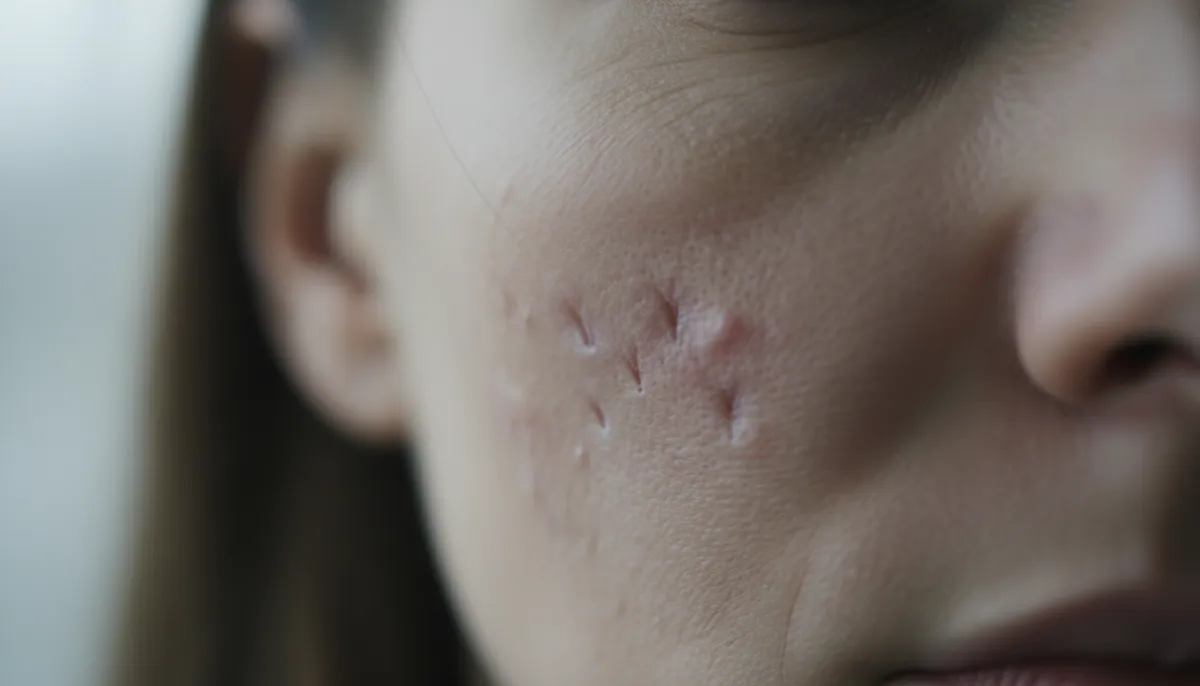
Ice pick scars are narrow, V‑shaped depressions that extend deep into the dermis. They typically measure less than 2 mm in width but can be several millimeters deep, creating a “pitted” appearance. The primary cause is inflammation from severe acne, where the body’s healing response overproduces collagen in a disorganized manner, leading to tissue loss.
Key factors that contribute to the formation of ice pick scars include:
- High‑intensity inflammatory lesions such as cystic acne.
- Delayed or inadequate treatment of active breakouts.
- Genetic predisposition to pronounced scar formation.
- Skin type: individuals with darker skin tones may experience more pronounced atrophic scarring.
Unlike boxcar scars or rolling scars, ice pick scars have a sharp, deep profile and often appear as tiny craters across the facial surface. Their depth makes them resistant to simple topical treatments, necessitating targeted medical interventions.
How Ice Pick Scars Differ From Other Acne Scars
Understanding the distinctions between various acne scar types is essential for selecting the right treatment. While ice pick scars are deep and narrow, other common scar types include boxcar scars, which are broader and have well‑defined edges, and rolling scars, which create undulating waves across the skin.
The table below highlights the main differences:
| Scar Type | Shape & Depth | Typical Treatment Options |
|---|---|---|
| Ice Pick Scars | Deep, narrow, V‑shaped; < 2 mm width | TCA CROSS, punch excision, laser resurfacing |
| Boxcar Littekens | Shallow to medium depth, rectangular; well‑defined edges | Subcision, dermal fillers, chemical peels |
| Rolling Scars | Broad, wave‑like depressions; caused by tethered tissue | Subcision, microneedling, laser therapy |
Because ice pick scars penetrate deeper, they often require more aggressive techniques that directly remodel the dermal tissue. Choosing an approach that matches the scar’s morphology maximizes improvement and minimizes downtime.
Non‑Surgical Treatment Options for Ice Pick Scars
Several minimally invasive procedures can effectively reduce the appearance of ice pick scars without the need for incisions. The choice depends on scar depth, skin type, and patient preferences.
1. Chemical Peels (TCA CROSS)
The TCA CROSS (Chemical Reconstruction of Skin Scars) technique involves applying a high‑concentration trichloroacetic acid directly into the scar. The acid induces controlled inflammation, stimulating collagen production and gradually filling the crater.
2. Laser Resurfacing
Fractional ablative lasers, such as CO₂ or Er:YAG, create microscopic columns of thermal injury that prompt rapid skin remodeling. These lasers can reach the depth of ice pick scars while preserving surrounding tissue, resulting in smoother skin with limited downtime.
3. Microneedling with Radiofrequency
Microneedling creates micro‑channels that trigger natural healing, and when combined with radiofrequency energy, it delivers heat deep into the dermis, enhancing collagen synthesis. This method is suitable for patients seeking a gradual improvement with minimal discomfort.
4. Dermal Fillers (Temporary)
Injectable fillers, such as hyaluronic acid, can temporarily elevate shallow ice pick depressions, offering immediate visual improvement. However, fillers are not a permanent solution and require repeat treatments.
Below is a concise list of non‑surgical options and their typical outcomes:
- TCA CROSS – 30‑60 % improvement after 3‑4 sessions.
- Fractional Laser – 40‑70 % improvement, 1‑2 weeks downtime.
- Microneedling + RF – 25‑50 % improvement, minimal downtime.
- Dermal Fillers – Immediate lift, temporary (6‑12 months).
These treatments can be combined for synergistic effects, and a qualified practitioner at Gold City Medical Center will tailor the plan to your specific scar profile.
Surgical and Advanced Procedures for Deep Ice Pick Scars
When non‑surgical methods do not achieve the desired results, surgical options provide more definitive correction. These procedures are performed by experienced dermatologic surgeons and are tailored to each scar’s depth and location.
Punch Excision
Punch excision involves removing the scar tissue with a small circular blade (punch) and closing the wound with sutures. The technique is highly effective for isolated, deep ice pick scars and yields a linear scar that can be further camouflaged.
Subcision
Subcision uses a fine needle to break the fibrous bands tethering the scar to underlying tissue. This releases the depression and allows the skin to rise, often combined with fillers for added volume.
Dermal Grafting
For extensive scarring, a thin skin graft from a donor site can be transplanted to the affected area, restoring a smoother surface. This approach requires careful postoperative care to ensure graft integration.
Combination Therapy
Many patients benefit from a staged approach—starting with TCA CROSS or laser resurfacing, followed by punch excision or subcision for residual depressions. This layered strategy maximizes scar reduction while minimizing overall invasiveness.
A comparative overview of surgical options:
| Procedure | Ideal For | Recovery Time | Typical Improvement |
|---|---|---|---|
| Punch Excision | Isolated deep ice pick scars | 7‑10 days | 70‑90 % |
| Subcision | Scars tethered to deeper tissue | 5‑7 days | 40‑60 % |
| Dermal Grafting | Widespread severe scarring | 2‑3 weeks | 80‑95 % |
All surgical interventions are performed under sterile conditions at Gold City Medical Center, ensuring safety, precision, and optimal aesthetic outcomes.
After‑Care and Skincare Strategies for Optimal Healing
Post‑procedure care is crucial to sustain the benefits of scar treatments and prevent new scar formation. A structured after‑care regimen includes protection, hydration, and targeted topical agents.
Sun Protection
UV exposure can darken scar tissue and hinder collagen remodeling. Use a broad‑spectrum sunscreen with SPF 30 or higher daily, reapplying every two hours when outdoors.
Topical Retinoids
Prescription‑strength retinoids, such as tretinoin, accelerate epidermal turnover and encourage collagen synthesis, helping to smooth residual depressions.
Moisturization and Healing Agents
Products containing hyaluronic acid, panthenol, or centella asiatica support barrier repair and reduce inflammation. Apply a gentle, fragrance‑free moisturizer twice daily.
Professional Follow‑Up
Regular appointments allow the practitioner to monitor progress, adjust treatment intensity, and address any complications promptly. Most patients require 3‑6 follow‑up visits over a six‑month period.
Key after‑care checklist:
- Apply sunscreen every morning and after washing.
- Use prescribed retinoid cream as directed (usually at night).
- Keep the skin moisturized with a non‑comedogenic product.
- Avoid picking or scratching the treated area.
- Attend scheduled follow‑up visits for assessment.
Adhering to these guidelines maximizes the longevity of treatment results and promotes healthier, more resilient skin.
Why Choose Gold City Medical Center
Gold City Medical Center combines advanced medical technology with a holistic approach to aesthetic care. Our team of board‑certified dermatologists and cosmetic surgeons specializes in integrative treatments for acne scarring, ensuring each patient receives a personalized plan that balances effectiveness with safety. With state‑of‑the‑art laser systems, precision surgical tools, and a commitment to post‑procedure support, we deliver consistent, natural‑looking results for ice pick scars and other skin concerns.
Ready to transform your skin and regain confidence? Contact Gold City Medical Center today to schedule a personalized consultation and discover the most effective treatment pathway for your ice pick scars.
FAQ
What causes ice pick scars?
Ice pick scars are caused by deep inflammation from severe acne or skin injuries that disrupt normal collagen formation.
How do ice pick scars differ from boxcar and rolling scars?
Ice pick scars are deep, narrow, and V‑shaped, while boxcar scars are broader with well‑defined edges and rolling scars create wave‑like depressions.
What non‑surgical treatments are available for ice pick scars?
Non‑surgical options include TCA CROSS chemical peels, fractional laser resurfacing, microneedling with radiofrequency, and temporary dermal fillers.
What is the TCA CROSS technique and how effective is it?
TCA CROSS involves applying high‑strength trichloroacetic acid directly into ice pick scars to trigger controlled inflammation and collagen production, typically improving scars by 30‑60 % after 3‑4 sessions.
When is punch excision recommended for ice pick scars?
Punch excision is advised for isolated, deep ice pick scars that have not responded adequately to non‑surgical methods.
What after‑care steps are essential after scar treatment?
Key after‑care steps include diligent sun protection, use of prescribed retinoids, regular moisturization, and scheduled follow‑up visits.





