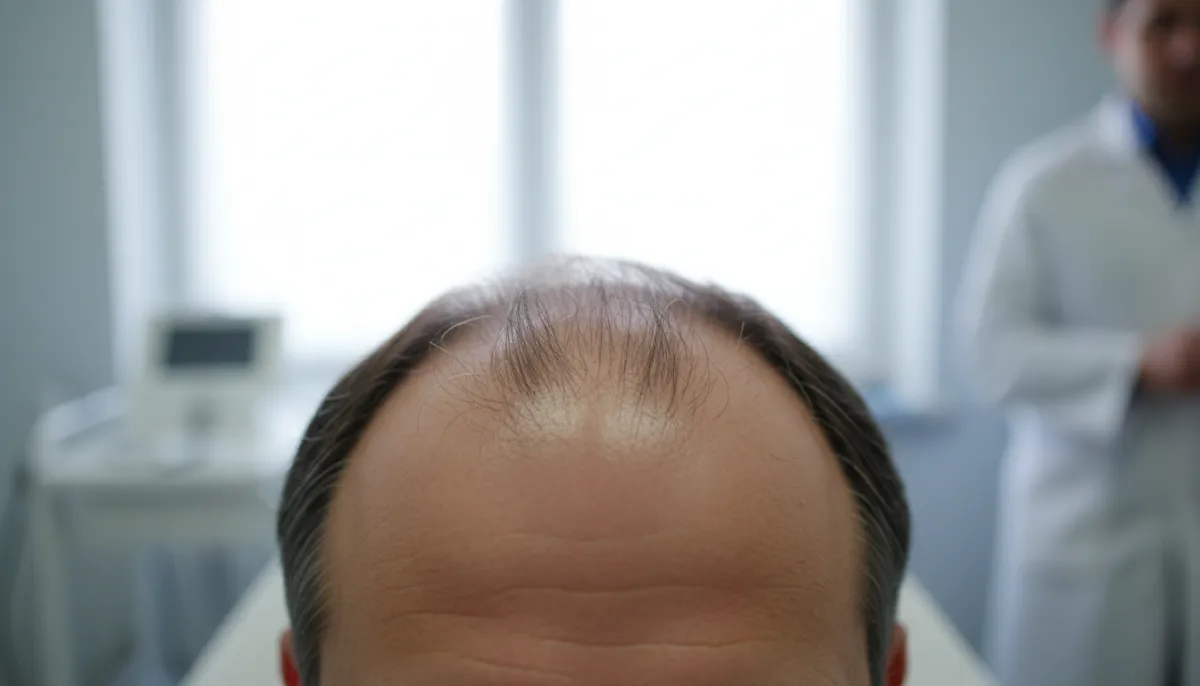
Many people wonder how to grow hair back on hairline after noticing the first signs of recession. Whether the change is subtle or more pronounced, a thinning hairline can affect confidence and overall appearance. This article explores the science behind hairline loss, practical home‑based remedies, professional treatments, and lifestyle adjustments that together create a comprehensive plan for regrowth.
According to recent dermatology studies, up to 30 % of adults experience noticeable hairline recession by the age of 35. The good news is that a combination of targeted nutrition, scalp care, and modern medical options can significantly improve hair density along the frontal zone.
We will break down the most effective strategies, explain when to seek expert help, and highlight how Gold City Medical Center’s integrative approach can support lasting results.
Understanding Hair Loss at the Hairline
The hairline is often the first area where genetic and environmental factors become visible. Recognising the underlying causes helps you choose the right regimen.
Common Causes of a Receding Hairline
- Genetic predisposition (male‑pattern baldness or female‑pattern thinning)
- Hormonal fluctuations, especially increased dihydrotestosterone (DHT)
- Chronic stress and poor sleep quality
- Nutrient deficiencies, particularly iron, zinc, and biotin
- Improper hair styling or excessive traction
Understanding these triggers allows you to address them directly, whether through lifestyle changes or targeted treatments.
Male vs. Female Hairline Patterns
| Feature | Mannen | Vrouwen |
|---|---|---|
| Typical recession | U‑shaped front, receding temples | Diffuse thinning, widening part |
| Hormonal influence | High DHT sensitivity | Estrogen decline, menopause |
| Effective first‑line treatment | Finasteride, minoxidil | Low‑dose hormonal therapy, minoxidil |
Both sexes benefit from early intervention, as the hair follicles are more responsive before extensive miniaturisation occurs.
Top Natural Strategies for Hairline Regrowth
Before turning to prescription medications, many individuals prefer natural approaches that support overall hair health.
Nutrition and Supplements
Hair is made primarily of keratin, a protein that requires adequate building blocks. Incorporating the following nutrients can boost haargroei and improve the appearance of a thinning hairline:
- Biotin (Vitamin B7) – 30 µg daily
- Iron – 18 mg for women, 8 mg for men
- Zinc – 11 mg for men, 8 mg for women
- Omega‑3 fatty acids – 1 g EPA/DHA combined
- Vitamin D – 800–1000 IU, especially in low‑sunlight regions
These supplements work best when paired with a balanced diet rich in lean proteins, leafy greens, and whole grains.
Technieken voor hoofdhuidverzorging
Maintaining a healthy scalp environment encourages follicular activity. Consider the following routine:
- Gentle massage with a few drops of rosemary or peppermint essential oil diluted in a carrier oil, stimulating blood flow.
- Use a sulfate‑free shampoo containing ketoconazole or zinc pyrithione to keep the scalp clean without stripping natural oils.
- Apply a light, non‑comedogenic serum containing caffeine or niacinamide 2–3 times per week.
These steps complement the use of hair treatment natural products that are frequently recommended for early‑stage recession.
Medische behandelingen en professionele opties
When natural methods alone are insufficient, medical interventions can provide accelerated results. Below are the most widely adopted solutions for restoring a receding hairline.
Platelet‑Rich Plasma (PRP) Therapy
PRP involves drawing a small amount of your own blood, concentrating the platelets, and injecting the plasma into the scalp. The growth factors stimulate dormant follicles, making PRP a popular choice for patients seeking a non‑surgical option.
Hair Transplant Techniques
Modern hair transplantation, including Follicular Unit Extraction (FUE) and Direct‑Hair‑Implant (DHI), offers permanent restoration by relocating healthy donor hairs to the frontal zone. Gold City Medical Center’s integrative approach ensures that the procedure is complemented by pre‑ and post‑operative care tailored to each patient.
Comparison of Common Treatments
| Behandeling | Mechanism | Typical Sessions | Expected Results |
|---|---|---|---|
| Minoxidil (5 % topical) | Vasodilation and follicle stimulation | Twice daily, continuous | Gradual thickening over 3–6 months |
| Finasteride (1 mg oral) | DHT inhibition | Once daily, continuous | Stabilisation and modest regrowth within 6 months |
| PRP-therapie | Growth‑factor infusion | 3–4 sessions over 6 months | Visible density increase after 3–4 months |
| FUE Hair Transplant | Permanent follicle relocation | Single procedure (1–2 days) | Full‑line restoration within 12–18 months |
Choosing the right combination depends on the extent of recession, budget, and personal preference. Consulting a specialist ensures a plan that aligns with your goals.
Lifestyle Adjustments That Support Hair Growth
Beyond topical treatments, everyday habits play a crucial role in maintaining a healthy hairline.
Stress Management
Chronic stress elevates cortisol, which can disrupt the hair growth cycle. Incorporate stress‑relieving activities such as:
- Meditation or deep‑breathing exercises (10 minutes daily)
- Regular aerobic activity (30 minutes, 3–5 times per week)
- Adequate leisure time and hobbies to promote mental well‑being
Sleep and Hormonal Balance
During deep sleep, the body releases growth hormone, essential for follicular repair. Aim for 7–9 hours of uninterrupted sleep each night and consider a short evening routine that reduces blue‑light exposure.
Hair‑Friendly Styling Practices
Gentle handling of the hairline reduces mechanical stress:
- Avoid tight ponytails or braids that pull on the frontal hair.
- Use a soft‑bristle brush and limit heat styling to prevent follicle damage.
- Choose loose, breathable hairstyles that keep the scalp cool.
These modest adjustments, when paired with the strategies discussed earlier, create a holistic environment that encourages hair regrowth.
Wanneer professionele hulp zoeken?
If you notice rapid thinning, persistent itching, or a sudden widening of the hairline, it may be time to consult a specialist. Early evaluation allows for personalized treatment plans that combine the best of natural and medical approaches.
Key indicators for a professional visit include:
- Noticeable loss of hair density over a short period (weeks to months)
- Scalp inflammation, redness, or persistent dandruff
- Family history of early‑onset baldness
- Desire for permanent solutions such as hair transplantation
Gold City Medical Center offers a comprehensive assessment, including scalp analysis, blood work, and a tailored regimen that may involve hair regrowth for ladies, PRP, or surgical options. Their integrative model ensures that cosmetic goals are met while maintaining overall health.
Why Choose Gold City Medical Center
Gold City Medical Center combines cutting‑edge medical expertise with a holistic approach to hair restoration. Their team of experienced dermatologists, surgeons, and wellness specialists creates individualized plans that address the root causes of hairline recession. With state‑of‑the‑art facilities, advanced PRP protocols, and a reputation for patient‑centred care, the center offers a trusted pathway to regain confidence and a fuller hairline.
Ready to take the first step toward a revitalised hairline? Contact Gold City Medical Center today to schedule your personalized consultation and discover the most effective solution for you.
Call now or fill out the online form to begin your journey to lasting hair growth.
FAQ
How can I grow hair back on my hairline naturally?
Natural methods focus on nutrition, scalp care, and stress reduction to support hair follicle health.
What are the most effective medical treatments for hairline regrowth?
Top medical options include minoxidil, finasteride, PRP therapy, and hair transplant procedures like FUE or DHI.
When should I consider a hair transplant for my receding hairline?
Consider a transplant when the hairline recession is stable, and you desire a permanent, cosmetic solution.
Which nutrients are essential for supporting hairline regrowth?
Key nutrients include biotin, iron, zinc, omega‑3 fatty acids, and vitamin D.
How does PRP therapy help with hairline loss?
PRP delivers growth factors that reactivate dormant follicles and improve scalp vascularisation.





