Living with anxiety can feel overwhelming, but effective anxiety coping skills empower you to regain calm and confidence. This article explores evidence‑based techniques that help you manage stress, reduce anxious thoughts, and improve overall wellbeing. Did you know that nearly one in three adults experiences an anxiety disorder at some point in their lives? Understanding how to respond to these moments is essential for maintaining a balanced life.
We will guide you through the science behind anxiety, introduce core coping methods, and show how lifestyle adjustments can make a lasting difference. Whether you are dealing with occasional nervousness or chronic anxiety, these strategies are designed to be accessible, adaptable, and supportive of your mental health journey.
By the end of this guide, you will have a toolbox of practical skills—ranging from breathing exercises to cognitive reframing—that you can apply instantly when anxiety spikes, as well as long‑term habits that foster resilience.
Understanding Anxiety and Its Impact
Anxiety is a natural response to perceived threats, but when it becomes persistent, it can interfere with daily functioning. Recognizing its signs is the first step toward effective management.
What Is Anxiety?
At its core, anxiety is a feeling of worry, nervousness, or unease about an upcoming event or something with an uncertain outcome. While occasional anxiety is normal, chronic anxiety may manifest as excessive fear, racing thoughts, and physical symptoms such as a rapid heartbeat.
Veelvoorkomende triggers
- Work pressure and tight deadlines
- Financial concerns
- Relationship conflicts
- Health worries
- Major life changes
Typical Symptoms
- Restlessness or feeling on edge
- Moeite met concentreren
- Muscle tension
- Slaapstoornissen
- Sudden feelings of dread
Core Coping Skills for Everyday Life
Developing a set of reliable coping skills can transform how you respond to stressors. These techniques are quick to learn and can be practiced anywhere.
Breathing Techniques
Controlled breathing activates the parasympathetic nervous system, lowering heart rate and promoting relaxation. One effective method is the 4‑4‑6 technique: inhale for 4 seconds, hold for 4 seconds, and exhale slowly for 6 seconds.
Progressieve spierontspanning (PMR)
PMR involves tensing and then releasing each muscle group, which helps identify and reduce physical tension linked to anxiety. Start from your toes and work upward, spending a few seconds on each area.
Quick Grounding Strategies
- 5‑4‑3‑2‑1 Sensory Exercise: Identify 5 things you see, 4 you can touch, 3 you hear, 2 you smell, and 1 you taste.
- Box Breathing: Inhale for 4 seconds, hold 4, exhale 4, hold 4; repeat four cycles.
- Hand Squeeze: Firmly squeeze a stress ball for 10 seconds, then release.
Practicing these anxiety coping skills regularly builds a mental habit that can be called upon during high‑stress moments, reducing the intensity of panic attacks and improving emotional regulation.
Lifestyle Adjustments that Reduce Anxiety
Beyond immediate techniques, long‑term lifestyle choices play a crucial role in anxiety management. Small, consistent changes can create a resilient foundation.
Exercise and Movement
Regular physical activity releases endorphins, the brain’s natural mood elevators. Aim for at least 150 minutes of moderate aerobic exercise per week, such as brisk walking, cycling, or swimming.
Nutrition and Sleep
Balanced meals rich in omega‑3 fatty acids, magnesium, and B vitamins support nervous system health. Additionally, maintaining a consistent sleep schedule—7‑9 hours per night—helps regulate stress hormones.
| Activity | Benefit for Anxiety |
|---|---|
| Yoga | Combines gentle movement with breath awareness, lowering cortisol. |
| Aerobic Cardio | Improves heart health and releases endorphins. |
| Strength Training | Boosts confidence and reduces muscular tension. |
| Mindful Walking | Encourages present‑moment focus, decreasing rumination. |
Integrating these habits alongside the earlier anxiety coping skills creates a synergistic effect, making stress less likely to spiral into overwhelming anxiety.
Cognitive Tools to Reframe Anxious Thoughts
Our thoughts shape our emotional experience. By challenging unhelpful patterns, you can diminish anxiety’s grip.
Thought Challenging
This technique involves identifying catastrophic predictions, evaluating evidence, and generating balanced alternatives. Write down the anxious thought, then ask: “What evidence supports this? What evidence contradicts it? What’s a realistic outcome?”
Mindfulness Meditation
Mindfulness trains attention to stay in the present moment without judgment. Even a five‑minute daily practice can increase emotional tolerance and reduce rumination.
Step‑by‑Step Cognitive Exercise
- Notice the anxiety trigger.
- Label the automatic thought.
- Ask for evidence supporting and refuting it.
- Replace with a balanced statement.
- Observe the emotional shift.
When combined with physical coping methods, these cognitive tools form a comprehensive approach to managing anxiety, empowering you to respond rather than react.
When Professional Support Is Needed
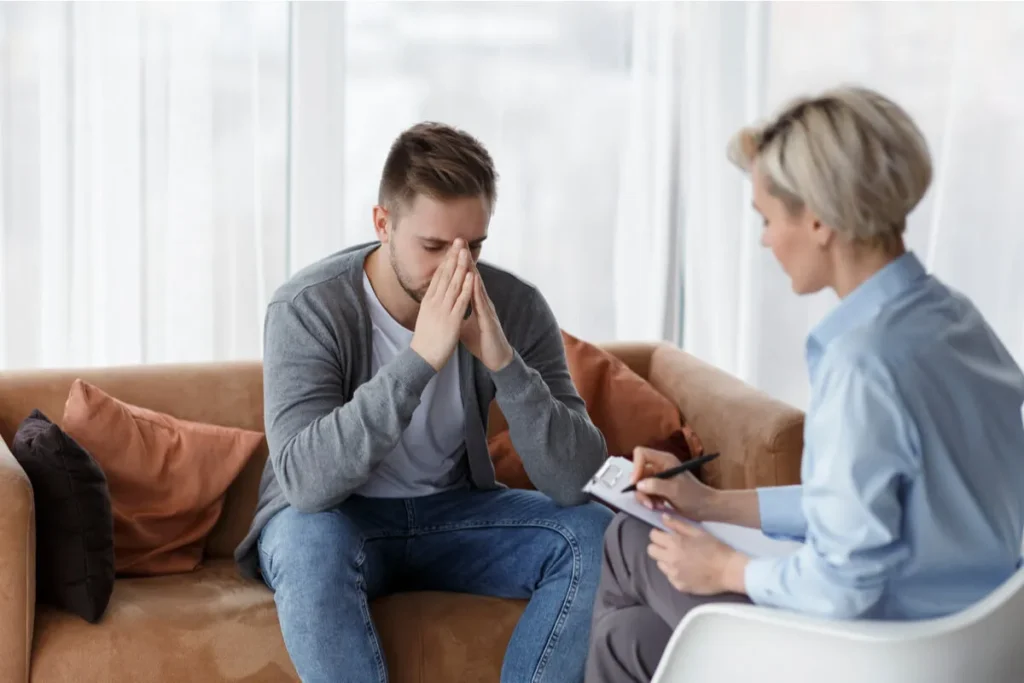
While self‑help strategies are valuable, some situations require professional guidance. Recognizing when to seek help ensures timely and effective treatment.
Therapy Options
Cognitive‑behavioral therapy (CBT) is the gold standard for anxiety, teaching structured coping skills and thought restructuring. Other modalities include acceptance and commitment therapy (ACT) and exposure therapy for specific phobias.
Medische behandelingen
In certain cases, medication such as selective serotonin reuptake inhibitors (SSRIs) or benzodiazepines may be prescribed to stabilize neurochemical imbalances. Medication should always be managed by a qualified clinician.
Signs It’s Time to Seek Professional Help
- Anxiety interferes with work, school, or relationships
- Physical symptoms (chest pain, dizziness) persist
- Feelings of hopelessness or thoughts of self‑harm
- Attempts at self‑management provide little relief
Integrating professional care with the anxiety coping skills outlined above offers a holistic pathway to lasting relief and improved quality of life.
Why Choose Gold City Medical Center
Gold City Medical Center combines integrative medicine with personalized care, offering a supportive environment for anxiety management. Our multidisciplinary team includes physicians, psychologists, and wellness specialists who collaborate to create tailored treatment plans. By blending evidence‑based therapies with holistic approaches such as nutrition counseling and stress‑reduction techniques, we ensure comprehensive support for your mental and physical health.
Ready to take control of your anxiety? Contact Gold City Medical Center today to schedule a confidential consultation and start building your personalized coping toolkit.
Experience professional guidance, compassionate care, and lasting relief—your wellbeing is our priority.
FAQ
What are the most effective anxiety coping skills?
Effective anxiety coping skills include breathing techniques, progressive muscle relaxation, grounding exercises, mindfulness meditation, and cognitive restructuring.
How does breathing technique help reduce anxiety?
Breathing techniques slow the breath, stimulate the vagus nerve, and lower physiological arousal, which directly reduces anxiety symptoms.
What lifestyle changes can lower anxiety levels?
Regular exercise, balanced nutrition, adequate sleep, and mindful activities like yoga or walking can significantly reduce anxiety.
When should I seek professional help for anxiety?
Seek professional help if anxiety interferes with daily life, causes persistent physical symptoms, or if self‑help strategies provide little relief.
How does cognitive behavioral therapy (CBT) work for anxiety?
CBT teaches structured coping skills and thought‑restructuring to break the cycle of anxious thoughts and maladaptive behaviors.
What are quick grounding strategies I can use anywhere?
Quick grounding strategies include the 5‑4‑3‑2‑1 sensory exercise, box breathing, and hand‑squeeze techniques.
How can mindfulness meditation improve anxiety management?
Mindfulness meditation trains attention to stay in the present without judgment, reducing rumination and emotional reactivity.





