Finding a reliable hair care routine for hair loss can feel overwhelming, especially with the flood of products and advice online. This article breaks down the essential steps, ingredients, and lifestyle habits that truly support hair health, helping you build a routine that works for your unique needs. Did you know that up to 40% of men and women experience noticeable thinning by age 35? Understanding the root causes and targeting them with a structured plan is key to slowing or reversing the process.
We’ll explore the science behind hair shedding, identify the most effective hair growth products, and reveal nutrition and lifestyle tweaks that reinforce each step of your regimen. Whether you’re dealing with early signs of thinning or more advanced balding, a comprehensive approach can make a significant difference.
By the end of this guide, you’ll have a clear, actionable roadmap—complete with product recommendations, daily habits, and professional treatment options—so you can confidently tackle hair loss and restore a fuller appearance.
Understanding the Causes of Hair Loss
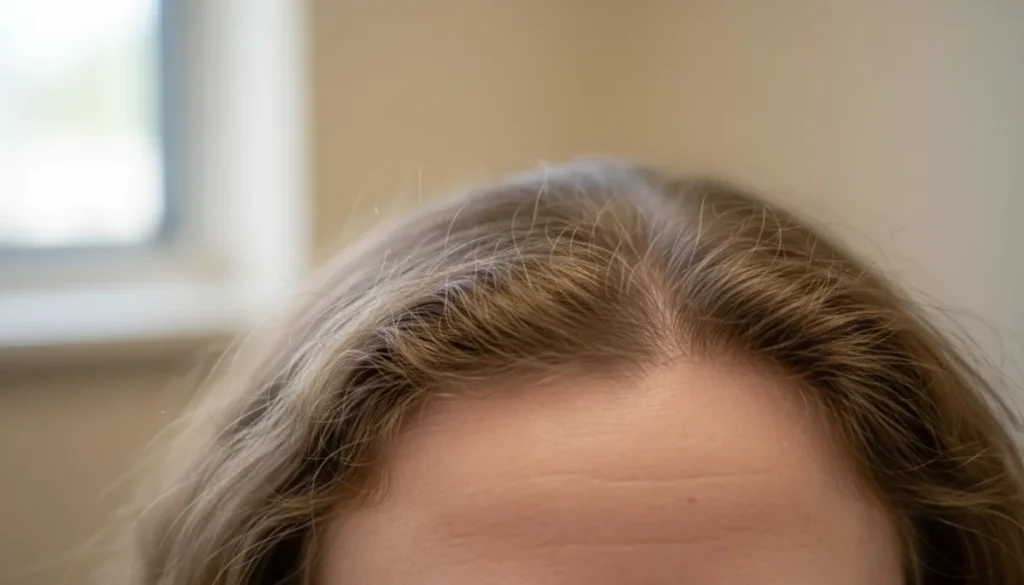
Before you can design an effective routine, it’s crucial to know why hair loss occurs. The most common factors include genetics, hormonal changes, nutritional deficiencies, and external stressors. While alopecia androgenetica (often called male or female pattern baldness) is hereditary, other triggers such as thyroid imbalances, iron deficiency, and high stress levels can accelerate shedding.
Identifying the primary cause guides product selection and lifestyle adjustments. For instance, individuals with hormonal hair loss may benefit from finasteride or topical solutions, whereas those with nutrient‑related thinning should focus on diet and supplements.
- Genetic factors: Inherited sensitivity of hair follicles to dihydrotestosterone (DHT).
- Hormonal shifts: Pregnancy, menopause, and thyroid disorders.
- Nutrient gaps: Low iron, zinc, vitamin D, or biotin.
- Stress and lifestyle: Chronic stress, smoking, and poor sleep.
Understanding these categories helps you target the right interventions within your hair care routine.
Core Components of a Hair Care Routine
Building a solid hair care routine for hair loss involves three pillars: cleansing, treatment, and protection. Each step should use products formulated to support follicle health and reduce breakage.
Cleansing
A gentle, sulfate‑free shampoo cleanses the scalp without stripping natural oils, which are essential for follicle nourishment. Look for ingredients like ketoconazole or pyrithione zinc that also address scalp inflammation.
Behandeling
After cleansing, apply a targeted serum or topical solution. Options include minoxidil, peptide‑rich serums, and plant‑based extracts such as rosemary or saw palmetto. Consistency is key—apply the treatment twice daily for best results.
Bescherming
Finish with a lightweight conditioner or leave‑in that contains proteins (e.g., hydrolyzed keratin) to reinforce the hair shaft. Avoid heavy silicones that can weigh hair down.
| Step | Product Type | Key Ingredients |
|---|---|---|
| Cleansing | Sulfate‑free shampoo | Ketoconazole, Zinc Pyrithione |
| Behandeling | Serum or topical | Minoxidil, Peptides, Rosemary Extract |
| Bescherming | Conditioner/Leave‑in | Hydrolyzed Keratin, Panthenol |
By integrating these steps, you create a balanced routine that cleanses, nourishes, and safeguards each strand.
Choosing the Right Hair Growth Products
With countless options on the market, selecting effective hair growth products can be daunting. Focus on clinically proven ingredients and avoid products that promise instant miracles without scientific backing.
Clinically Tested Ingredients
- Minoxidil: FDA‑approved topical solution that stimulates follicles.
- Finasteride: Oral medication that reduces DHT production (prescribed by a physician).
- Peptide Complexes: Support cell signaling for hair regeneration.
- Natural Extracts: Rosemary, pumpkin seed oil, and saw palmetto have shown modest benefits.
Product Formulation Tips
When evaluating a product, check for:
- Clear concentration percentages (e.g., 5% minoxidil).
- Absence of harsh alcohols or sulfates.
- Third‑party testing or clinical study references.
Remember that “best hair growth products” vary per individual. A combination of a proven topical with supportive nutrients often yields the best outcome.
Lifestyle and Nutrition Tips for Stronger Hair
Even the most advanced topical regimen can be undermined by poor lifestyle choices. Nutrition, sleep, and stress management play pivotal roles in a successful hair care routine for hair loss.
Essential Nutrients
Key vitamins and minerals that support hair health include biotin, vitamin D, iron, zinc, and omega‑3 fatty acids. Incorporate foods such as eggs, fatty fish, leafy greens, nuts, and legumes into daily meals.
Supplement Options
When diet alone falls short, consider high‑quality supplements labeled “best vitamins for hair growth.” Look for products that combine biotin, zinc, and marine collagen.
Healthy Habits
- Slaap: Aim for 7‑9 hours to allow cellular repair.
- Stress reduction: Practice mindfulness, yoga, or regular exercise.
- Avoid heat damage: Limit use of high‑heat styling tools.
Integrating these habits with your daily regimen creates a holistic approach that maximizes results.
Wanneer professionele behandeling zoeken
While a well‑structured routine can significantly improve hair density, some cases require medical intervention. Recognize the signs that indicate it’s time to consult a specialist.
Red Flags
- Rapid, patchy hair loss over weeks.
- Scalp inflammation, itching, or pain.
- Hair loss that persists despite consistent product use for six months.
Medical Options at Gold City Medical Center
Our clinic offers personalized assessments, including scalp analysis and blood work, to pinpoint underlying causes. Treatment pathways may involve:
- Prescription‑strength finasteride or oral minoxidil.
- Platelet‑rich plasma (PRP) therapy.
- State‑of‑the‑art hair transplant procedures.
Early consultation ensures the most appropriate therapy is selected, increasing the likelihood of successful regrowth.
Why Choose Gold City Medical Center
Gold City Medical Center combines cutting‑edge medical expertise with a holistic approach to hair restoration. Our team of certified dermatologists and hair‑transplant surgeons tailors each treatment plan to the individual, integrating proven therapies, advanced technology, and personalized care. Whether you need a comprehensive hair care routine for hair loss, a targeted medication, or a state‑of‑the‑art transplant, we provide a seamless experience from initial assessment to follow‑up support.
Ready to transform your hair health? Contact Gold City Medical Center today to schedule a personalized consultation and start your journey toward fuller, stronger hair.
Take the first step now—call us or fill out our online request form and let our experts design the perfect plan for you.
FAQ
Wat zijn de belangrijkste oorzaken van haaruitval?
Hair loss is mainly caused by genetics, hormonal changes, nutrient deficiencies, and lifestyle stressors.
How does minoxidil work for hair growth?
Minoxidil stimulates hair follicles and prolongs the growth phase, leading to thicker hair.
When should I consider professional hair loss treatment?
Seek a specialist if you notice rapid, patchy loss, scalp inflammation, or no improvement after six months of consistent care.
What nutrients are essential for healthy hair?
Biotin, vitamin D, iron, zinc, and omega‑3 fatty acids are key for hair strength and growth.
What should I look for in a hair growth product?
Choose products with clinically proven ingredients, clear concentrations, and no harsh sulfates or alcohols.
How does a hair care routine protect existing hair?
A routine that includes gentle cleansing, targeted treatment, and protective conditioning maintains scalp health and reduces breakage.





