Scalp irritation and hair loss are common concerns that affect millions of people worldwide, yet many individuals overlook the connection between these two issues. When the scalp becomes inflamed, itchy, or flaky, it can create an environment that weakens hair follicles and accelerates shedding. Recognizing the signs early and addressing the underlying causes can prevent permanent thinning and improve overall scalp health.
According to recent dermatological studies, up to 30% of adults experience some form of scalp irritation during their lifetime, and a significant portion of those individuals also notice increased hair shedding. This overlap highlights the importance of a comprehensive approach that tackles both irritation and hair loss simultaneously.
In this article, we will explore the most frequent causes of scalp irritation and hair loss, identify key symptoms that warrant professional evaluation, and outline the range of medical and cosmetic solutions available at Gold City Medical Center. Whether you are dealing with a mild itchy scalp or progressive thinning, understanding the underlying mechanisms will empower you to make informed decisions for lasting results.
Causes of Scalp Irritation and Hair Loss
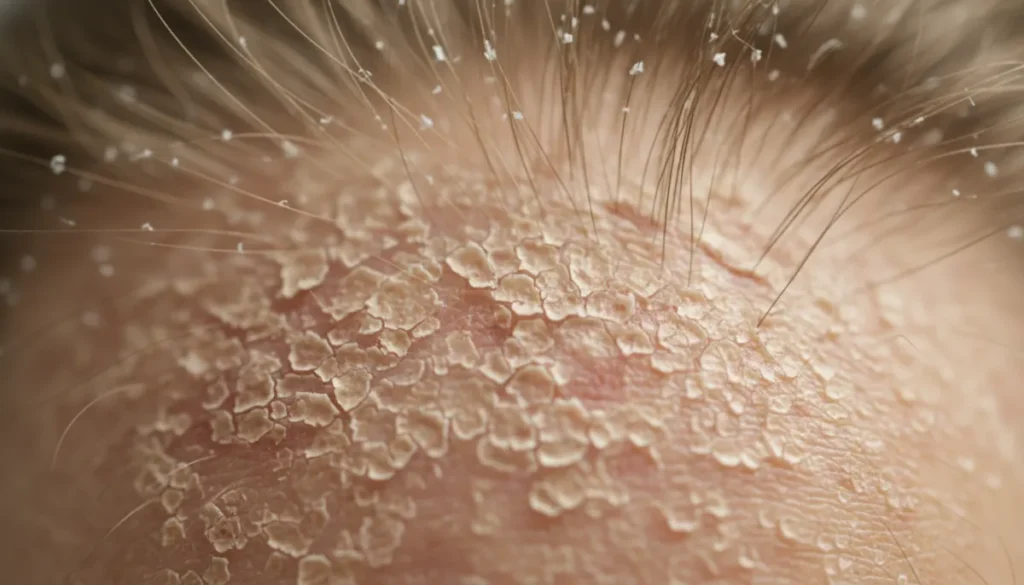
Several medical conditions and external factors can trigger scalp irritation that subsequently leads to hair loss. Understanding these root causes is essential for targeted treatment.
Inflammatory skin disorders such as seborrheic dermatitis, psoriasis, and folliculitis are among the most prevalent culprits. Seborrheic dermatitis produces oily, yellowish scales that irritate the skin, while folliculitis involves infection of hair follicles, causing redness and pustules.
Hormonal influences, particularly the conversion of testosterone to dihydrotestosterone (DHT), play a central role in androgenetic alopecia (male‑pattern baldness). Elevated DHT levels can shrink hair follicles, making them more vulnerable to irritation and shedding.
Other contributors include:
- Allergic reactions to hair care products or dyes
- Mechanical stress from tight hairstyles (traction alopecia)
- Environmental irritants such as pollution or harsh weather
- Nutritional deficiencies, especially iron and zinc
Below is a comparison of common conditions that cause both irritation and hair loss:
| Condition | Typical Irritation | Hair Loss Pattern |
|---|---|---|
| Seborroïsch eczeem | Flaky, oily patches | Diffuse thinning |
| Folliculitis | Pustules and redness | Patchy loss |
| Androgenetic Alopecia | Often minimal irritation | Receding hairline, crown thinning |
| Alopecia tractie | Localized soreness | Hairline recession |
Recognizing the Symptoms and When to Seek Help
Early detection of scalp irritation and hair loss signs can dramatically improve treatment outcomes. While occasional itchiness is normal, persistent symptoms often signal an underlying issue.
Key indicators to monitor include:
- Continuous itching or burning sensation
- Visible redness, swelling, or pus
- Excessive flaking or crust formation
- Noticeable increase in daily hair shedding (more than 100 hairs per day)
- Uneven thinning or bald patches
If you experience any combination of these symptoms for more than two weeks, it is advisable to consult a specialist. Prompt evaluation can differentiate between benign conditions like mild dandruff and more serious disorders such as alopecia areata or chronic folliculitis.
To assist in self‑assessment, the table below aligns symptoms with potential diagnoses:
| Symptom | Possible Condition | Recommended Action |
|---|---|---|
| Intense itch, flaky scalp | Seborrheic dermatitis | Topical antifungal or medicated shampoo |
| Pustules, localized redness | Folliculitis | Antibiotic therapy, hygiene changes |
| Gradual thinning at crown | Androgenetic alopecia | Finasteride, minoxidil, or transplant evaluation |
| Hairline recession with soreness | Traction alopecia | Alter hairstyle, gentle scalp care |
Treatment Options Available at Gold City Medical Center
Gold City Medical Center offers a comprehensive suite of therapies designed to alleviate scalp irritation while promoting hair regrowth. Treatments are personalized based on diagnosis, severity, and patient preferences.
Medical therapies include prescription shampoos containing ketoconazole for seborrheic dermatitis, topical corticosteroids for inflammatory conditions, and oral antibiotics for bacterial folliculitis. For hormonal‑driven hair loss, we provide finasteride (for men) and low‑dose oral minoxidil (for women), both of which target DHT pathways.
Onze topical solutions feature clinically proven ingredients such as biotin, niacinamide, and peptide complexes that nourish follicles and reduce inflammation. These formulations are often combined with gentle scalp massages to enhance circulation.
When conservative measures are insufficient, we offer advanced haartransplantatietechnieken:
- Follicular Unit Extraction (FUE) – precise extraction of individual follicles
- Robotic‑Assisted FUE – enhanced accuracy and reduced downtime
- Scalp Micropigmentation – cosmetic illusion of denser hair
Patients also benefit from our integrated approach that pairs medical treatment with lifestyle counseling, ensuring long‑term scalp health.
Lifestyle and Home Care Strategies to Reduce Irritation
Beyond clinical interventions, everyday habits play a crucial role in managing scalp irritation and preventing further hair loss. Simple adjustments can create a less hostile environment for hair follicles.
Key recommendations include:
- Choose sulfate‑free, pH‑balanced shampoos to avoid stripping natural oils.
- Limit heat styling and harsh chemical treatments that can exacerbate inflammation.
- Maintain a balanced diet rich in omega‑3 fatty acids, vitamins A, D, and E, and minerals such as iron and zinc.
- Practice gentle scalp massage for 5–10 minutes daily to improve blood flow.
- Manage stress through mindfulness, exercise, or yoga, as cortisol can influence hair cycle dynamics.
The following table outlines do’s and don’ts for a scalp‑friendly routine:
| Do | Don’t |
|---|---|
| Use lukewarm water when washing hair | Rinse with hot water that can dry the scalp |
| Apply a light, non‑comedogenic moisturizer | Apply heavy oils that clog pores |
| Wear breathable, loose‑fitting hats | Wear tight caps that cause friction |
| Schedule regular check‑ups with a dermatologist | Ignore persistent symptoms |
Addressing Overlooked Factors That Contribute to Hair Loss
While visible scalp conditions are often the focus, hidden contributors can silently aggravate haaruitval. Recognizing these factors helps create a truly holistic treatment plan.
Systemic health issues such as thyroid disorders, autoimmune diseases, and chronic inflammation can disrupt the hair growth cycle, making the scalp more susceptible to irritation. Additionally, certain medications—including antihypertensives and antidepressants—list hair thinning as a side effect.
To address these hidden influences, Gold City Medical Center performs comprehensive assessments that may include blood tests for hormone levels, nutrient panels, and medication reviews. By correcting imbalances and adjusting therapies, we can reduce scalp stress and promote healthier hair growth.
In summary, an integrative approach that combines medical treatment, lifestyle modification, and targeted procedures offers the best chance of resolving scalp irritation and preserving hair density.
Why Choose Gold City Medical Center
Gold City Medical Center is a leading provider of integrative healthcare, combining cutting‑edge medical expertise with personalized cosmetic solutions. Our multidisciplinary team includes dermatologists, trichologists, and certified hair transplant surgeons who collaborate to deliver comprehensive care for scalp irritation and hair loss. With state‑of‑the‑art facilities, evidence‑based treatments, and a commitment to patient‑centered outcomes, we ensure that each individual receives a tailored plan that addresses both the underlying cause and aesthetic goals.
Ready to restore a comfortable scalp and fuller hair? Contact Gold City Medical Center today to schedule a personalized consultation. Take the first step toward lasting confidence and healthier hair.
FAQ
What are the most common causes of scalp irritation that lead to hair loss?
Common causes include seborrheic dermatitis, psoriasis, folliculitis, hormonal changes (DHT), allergic reactions, traction from tight hairstyles, environmental irritants, and nutrient deficiencies.
When should someone seek professional help for scalp irritation and hair loss?
If symptoms like persistent itching, redness, flaking, or noticeable hair shedding last more than two weeks, a specialist should be consulted.
What medical treatments does Gold City Medical Center offer for scalp irritation and hair loss?
The center provides prescription shampoos, topical corticosteroids, oral antibiotics, finasteride, low‑dose oral minoxidil, and advanced hair transplant procedures.
How can lifestyle changes help reduce scalp irritation and prevent hair loss?
Using gentle, sulfate‑free shampoos, avoiding heat styling, eating a balanced diet, massaging the scalp, and managing stress can improve scalp health.
What hidden factors can contribute to hair loss beyond visible scalp conditions?
Systemic issues like thyroid disorders, autoimmune diseases, chronic inflammation, and certain medications can exacerbate hair loss.





