Understanding how to stretch lower back muscles is essential for anyone dealing with everyday tension or chronic discomfort. A flexible lumbar region supports proper posture, reduces the risk of injury, and can alleviate common complaints such as stiffness and mild pain. According to recent health surveys, nearly 80% of adults experience lower back discomfort at some point, making effective stretching a vital component of a healthy lifestyle.
This article guides you through the anatomy of the lumbar spine, outlines safe stretching principles, and presents five proven lower back stretches you can perform at home. Whether you are an athlete, a desk worker, or simply seeking relief, these techniques are designed to fit into a busy schedule while delivering measurable verlichting van rugpijn. We also discuss when professional physiotherapy may be necessary, ensuring you make informed decisions about your spinal health.
By integrating these movements into your routine, you can improve flexibility, support core stability, and enjoy a more comfortable daily experience. Let’s explore the science behind effective stretching and discover practical exercises you can start using right now.
Understanding Lower Back Anatomy
The lower back, or lumbar region, consists of five vertebrae (L1‑L5), intervertebral discs, ligaments, and a network of muscles that work together to provide support and mobility. Key muscles include the erector spinae, multifidus, and quadratus lumborum, each playing a distinct role in extension, rotation, and lateral flexion.
When these muscles become tight or imbalanced, they can pull on the vertebrae, leading to discomfort or reduced range of motion. Recognizing the function of each muscle group helps you target stretches more effectively and avoid movements that could exacerbate pain.
| Muscle Group | Primary Action | Common Tightness Symptoms |
|---|---|---|
| Erector Spinae | Spinal extension | Stiffness when standing upright |
| Multifidus | Segmental stabilization | Localized aches after prolonged sitting |
| Quadratus Lumborum | Lateral flexion | Pain on one side of the lower back |
Understanding these structures informs the selection of lower back stretches that address specific tension patterns. For instance, a stretch targeting the quadratus lumborum can relieve side‑to‑side pulling, while a gentle erector spinae stretch promotes overall spinal extension.
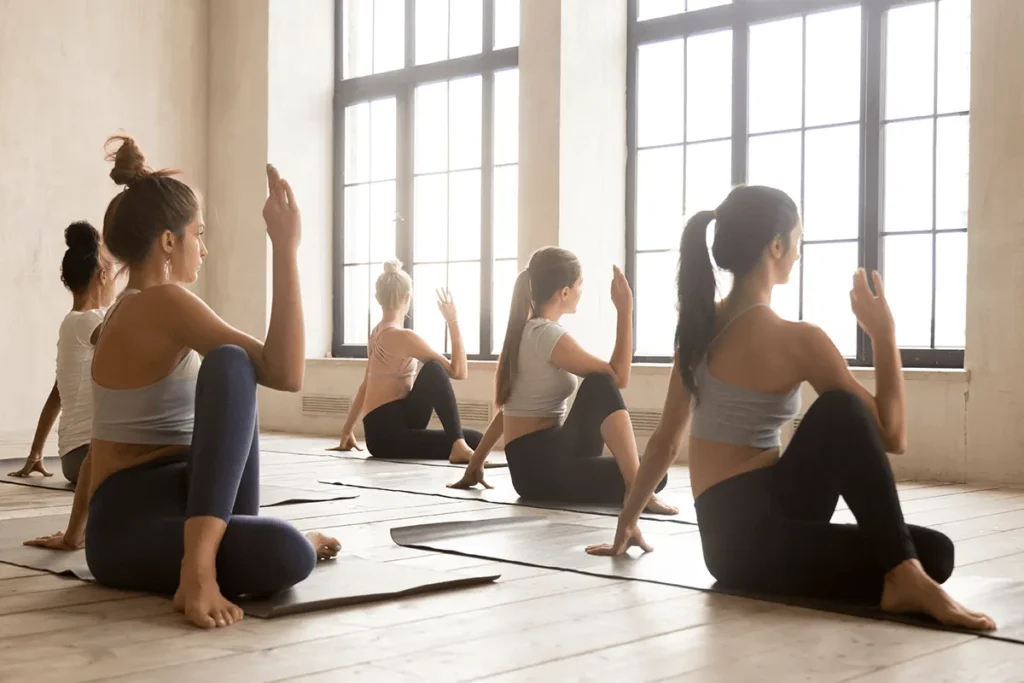
Key Principles for Safe Stretching
Before diving into specific movements, it’s important to follow core principles that protect the spine and maximize benefits. These guidelines are rooted in physiotherapy best practices and help prevent overstretching or aggravating existing issues.
- Warm‑up first: Light cardio such as marching in place for 3‑5 minutes increases blood flow to the muscles, making them more pliable.
- Move slowly: Perform each stretch in a controlled manner, holding for 20‑30 seconds without bouncing.
- Breathe deeply: Inhale to prepare, exhale while moving into the stretch; this promotes relaxation of the muscle fibers.
- Stay within comfort: You should feel a gentle pull, not sharp pain. Discomfort may indicate an inappropriate intensity.
- Consistency matters: Aim for a short routine 3‑4 times per week rather than occasional intense sessions.
Applying these principles ensures that back exercises contribute to long‑term flexibility and pain reduction. For individuals with chronic lower back pain, integrating these habits with regular physiotherapy can enhance outcomes.
Five Essential Lower Back Stretches
Below are five evidence‑based stretches that target the primary muscles of the lumbar region. Each exercise includes step‑by‑step instructions, safety tips, and suggested repetitions.
- Child’s Pose – A gentle stretch for the erector spinae and lower back fascia.
- Kneel on the floor, sit back on your heels.
- Extend arms forward, lowering your torso toward the mat.
- Hold 30 seconds, breathing deeply.
- Knee‑to‑Chest Stretch – Relieves tension in the lumbar discs and multifidus.
- Lie on your back, pull one knee toward your chest.
- Keep the opposite leg extended.
- Hold 20‑30 seconds per side.
- Supine Twist – Targets the quadratus lumborum and promotes spinal rotation.
- Lie on your back, arms outstretched.
- Drop both knees to one side while turning the head opposite.
- Hold 25 seconds each side.
- Cat‑Cow Flow – Improves mobility of the intervertebral discs.
- Start on hands and knees.
- Arch your back (cow) then round it (cat) in a fluid motion.
- Repeat for 1 minute.
- Standing Forward Bend – Stretches the hamstrings and indirectly eases lower back strain.
- Stand with feet hip‑width apart.
- Hinge at the hips, letting the torso hang toward the floor.
- Hold 30 seconds, keeping knees slightly bent.
Incorporating these lower back exercises into a short daily routine can dramatically improve flexibility and reduce episodes of pain. For best results, combine them with core‑strengthening moves such as planks or bird‑dogs.
Integrating Stretching into Your Daily Routine
Consistency is the cornerstone of lasting verlichting van rugpijn. Here are practical strategies to embed stretching into everyday life, whether you work from a desk or spend time on your feet.
- Desk Breaks: Every hour, stand up and perform a 30‑second standing forward bend or seated spinal twist.
- Morning Ritual: Begin the day with a brief sequence—Child’s Pose, Cat‑Cow, and Knee‑to‑Chest—to awaken the lumbar muscles.
- Evening Wind‑Down: After dinner, practice the Supine Twist and a gentle hamstring stretch to release accumulated tension.
- Active Commuting: If you walk or bike to work, incorporate a short dynamic warm‑up before you start, such as leg swings and hip circles.
Tracking your progress with a simple journal can reinforce habit formation. Note the stretch performed, duration, and any changes in comfort level. Over weeks, many individuals report reduced reliance on over‑the‑counter pain relievers and a noticeable improvement in posture.
Wanneer professionele hulp zoeken?
While most people can benefit from self‑guided stretching, certain situations warrant evaluation by a qualified physiotherapist or medical professional. Consider consulting Gold City Medical Center if you experience any of the following:
- Sharp or radiating pain that persists beyond two weeks.
- Numbness, tingling, or weakness in the legs.
- Recent injury or trauma to the spine.
- Underlying conditions such as osteoporosis or spinal stenosis.
Our integrative approach combines physiotherapy, targeted back workouts, and, when appropriate, minimally invasive treatments to address the root cause of discomfort. Early intervention can prevent chronic issues and accelerate recovery.
Why Choose Gold City Medical Center
Gold City Medical Center offers a holistic suite of services that blend medical expertise with personalized care. Our team of experienced physiotherapists designs customized stretching programs that align with your health goals, whether you seek pain relief, improved mobility, or preventive maintenance. With state‑of‑the‑art facilities and a commitment to evidence‑based practice, we ensure every patient receives safe, effective, and compassionate treatment.
Ready to relieve your lower back tension? Contact Gold City Medical Center today to schedule a personalized assessment and start your journey toward a more flexible, pain‑free life.
FAQ
What are the best stretches for lower back pain?
The most effective stretches target the erector spinae, multifidus, and quadratus lumborum, such as Child’s Pose, Knee‑to‑Chest, and Supine Twist.
How often should I stretch my lower back?
Aim for a short routine 3‑4 times per week, ideally daily if you have a sedentary job.
Can I do lower back stretches if I have a herniated disc?
Yes, but choose gentle, disc‑friendly movements and stop if pain worsens.
What is the proper way to warm up before stretching my lower back?
Begin with 3‑5 minutes of light cardio like marching in place, followed by gentle dynamic movements.
How do I know if a stretch is too intense for my lower back?
If you feel sharp pain, tingling, or a sudden increase in discomfort, the stretch is too intense.
When should I seek professional help for lower back discomfort?
Consult a professional if pain is sharp, radiates, lasts more than two weeks, or is accompanied by numbness or weakness.





